



The Grand Ambition
After two films, John Carpenter and Debra Hill were done with Michael Myers. They had, in their minds, definitively killed him in a fiery explosion at the end of 'Halloween II'. But the studio, eager to capitalize on the brand, wanted a third film. Carpenter and Hill agreed,
but with a major catch: they would pivot the franchise into an anthology series. The 'Halloween' name wouldn't refer to a single story, but to the holiday itself, with each new installment telling a completely different, self-contained tale. 'Season of the Witch' was the first, bold attempt at this new format, a story about ancient witchcraft, corporate conspiracy, and a plot to murder children using cursed masks activated by a television jingle. The idea was to create a 'Twilight Zone' for the spookiest night of the year, a concept that could have spawned endless original stories.
An Audience Betrayed
The problem was, nobody told the audience. In 1982, fans who bought a ticket for 'Halloween III' expected to see Michael Myers. Instead, they got Tom Atkins as a mustachioed doctor investigating the sinister Silver Shamrock Novelties company. The film's only acknowledgment of its slasher roots is a brief scene where the original 'Halloween' plays on a bar's TV, a meta-wink confirming this story took place in a world where Michael Myers was just a movie character. For audiences, this wasn't a clever twist; it was a betrayal. Reports from the time describe moviegoers walking out and demanding refunds. The film was a commercial disappointment, making only $14.4 million at the domestic box office, a fraction of what its predecessors earned and a poor showing against other 1982 horror hits. The verdict was swift and brutal: the grand anthology experiment was a failure.
A Failure That Found Its Fans
For years, 'Season of the Witch' was the franchise's black sheep, the oddball entry fans were told to skip. But a funny thing happened over the next few decades. As the Michael Myers sequels grew more convoluted, with increasingly complicated lore about Celtic cults and family curses, the strange purity of 'Halloween III' began to look more appealing. Divorced from the expectation of a slasher film, it was re-evaluated on its own merits: a weird, creepy, and ambitious standalone folk-horror movie with a genuinely unsettling atmosphere and a shockingly dark ending. It developed a passionate cult following who celebrated its uniqueness, its synth-heavy score by Carpenter and Alan Howarth, and its anti-consumerist satire. The very thing that made it a failure in 1982—its complete separation from Michael Myers—became its greatest strength in retrospect.
The Modern Franchise Dilemma
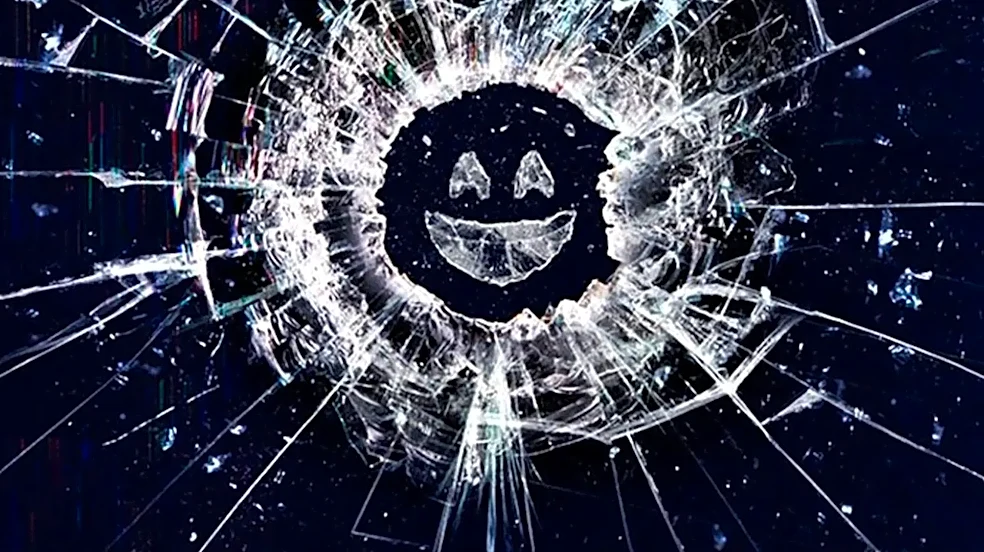
Today, the anthology concept Carpenter and Hill envisioned is a proven success, with series like 'American Horror Story' and 'Black Mirror' building entire brands on the model. So what's the ultimate lesson from the 'Season of the Witch' saga? It's not that taking risks is bad. It's that franchises are built on a promise to their audience, and breaking that promise can be fatal. Modern mega-franchises like the MCU or Star Wars have learned to manage this by creating distinct labels for their core sagas versus their experimental spin-offs. 'Halloween III' failed because it tried to be both at once, using the familiarity of the brand to sell something entirely new without preparing the customer. Its legacy is a crucial case study in the tension between creative ambition and fan loyalty. It reveals that you can change the rules of your own universe, but you have to bring the audience along with you. The risk isn't in telling a new story, but in failing to manage the expectations of the fans who made the old one a hit.