




More Than Just an Award
First held in 2019, the iHeartPodcast Awards were established by iHeartMedia, a giant in the audio world with over 860 broadcast radio stations and a massive digital footprint. The goal was to create a high-profile event to celebrate the rapidly growing
podcast industry. But unlike a simple online poll or a niche industry gathering, iHeart modeled its show after major entertainment events like the Grammys or the Golden Globes. The ceremony features celebrity hosts, big-name presenters, and a legitimate red carpet, instantly framing podcasting as a premier form of entertainment. Recent events, such as the 2026 awards held at SXSW in Austin, were hosted by comedians like Ego Nwodim and featured appearances by stars like Will Ferrell, Eric Andre, and Jennie Garth.
The Machinery of Fame
The secret to the awards' star-making power lies in iHeartMedia's extensive promotional ecosystem. A nomination or win isn't just a trophy; it's a ticket to massive exposure. Winners and nominees are promoted across iHeart's network of radio stations, its popular iHeartRadio app, and its other major live events. This cross-promotion strategy takes hosts who might have a dedicated but limited audience and introduces them to millions of new listeners. For many hosts, this is the bridge between internet fame and mainstream recognition. The awards effectively serve as a loud, mainstream endorsement, signaling to the wider public that these are voices worth paying attention to.
The Red Carpet Effect
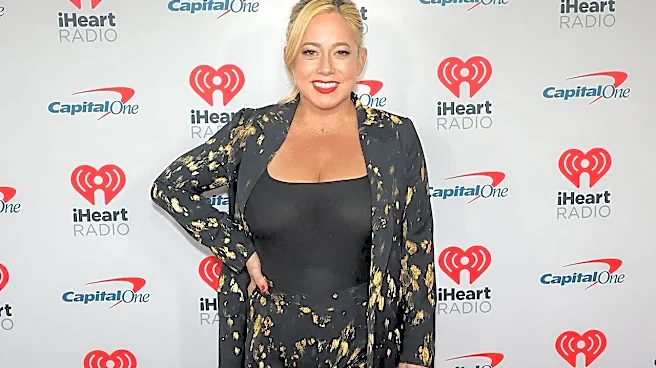
Putting podcasters on a physical red carpet next to established actors and musicians does something profound: it visually equates their level of celebrity. When Hannah Berner and Paige DeSorbo of "Giggly Squad" accept the 2026 Podcast of the Year award, they are sharing a stage graced by A-list talent. This visual association is crucial. It changes public perception, transforming a host from a disembodied voice into a personality with a public image, style, and a place in the celebrity ecosystem. The event is live-streamed and broadcast, ensuring these moments reach a national audience and solidify the podcasters' new status.
Beyond the Big Names
While established celebrities like Amy Poehler, who won a 2026 award for "Good Hang with Amy Poehler," are part of the landscape, the awards also shine a crucial spotlight on emerging talent. Categories like "Best Emerging" and fan-voted awards allow breakout shows to gain significant traction. For example, Nayeema Raza's "Smart Girl Dumb Questions" winning Best Emerging gives it a stamp of legitimacy that can attract new listeners and industry opportunities. The awards also honor foundational figures who paved the way, with icons like Terry Gross of NPR's "Fresh Air" and Hrishikesh Hirway of "Song Exploder" receiving special recognition for their contributions to the medium, further cementing the industry's history and importance.
The New Blueprint for Stardom
The rise of the iHeartPodcast Awards signifies a major shift in the entertainment industry. It proves that a dedicated following in the audio world can be a powerful launchpad for broader fame. Podcasting provides an intimate, trust-based connection between hosts and listeners—a relationship brands and other media platforms are eager to tap into. As iHeart and even other major awards shows like the Golden Globes now recognize podcasting, the path from a microphone in a home studio to a spot on the red carpet is becoming more defined. It's a clear signal that in the modern media landscape, influence is measured not just in screen time, but in listening time, too.