


The Standard Festival Playbook
In the hyper-competitive landscape of American music festivals, predictability is currency. Organizers engage in an annual arms race to secure a handful of rotating, arena-sized headliners—the same names you might see atop the posters for Coachella, Bonnaroo,
and Lollapalooza. The strategy is transactional and straightforward: we promise you this blockbuster artist, and you give us several hundred dollars six months in advance. The lineup poster, with its hierarchy of font sizes, is a contract. The bigger the name, the bigger the guarantee, both for the artist and for the ticket-holder. It’s a model built on minimizing risk by eliminating surprise. You know exactly what you are paying for.
Newport's Counter-Narrative
Then there’s Newport Folk. For years, the festival has sold out its entire ticket inventory in minutes, often before a single performer has been announced. The driving philosophy, championed by executive producer Jay Sweet, is that the festival itself is the headliner. This turns the industry standard on its head. The trust isn't placed in a specific artist's ability to deliver a 90-minute set of hits; it's placed in the festival's curation and its ability to create a singular experience. Fans, who affectionately call themselves the "Folk Family," buy tickets with the faith that something magical will happen, even if they have no idea what it will be. As one fan put it, you buy blindly knowing you’ll get an experience regardless of who plays. It’s a music festival for people who hate music festivals.
Legendary Moments, Not Guaranteed Headliners
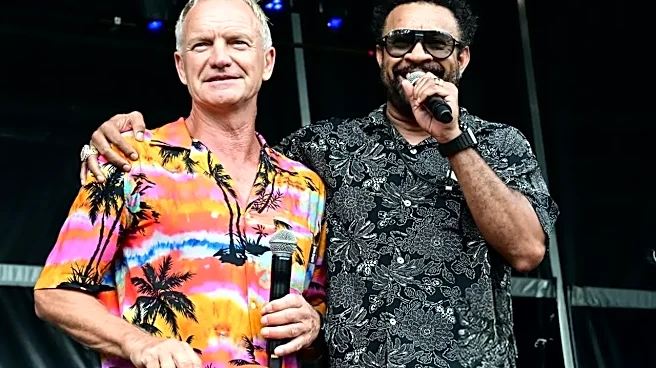
This trust is consistently rewarded with moments of genuine, unscripted history. In recent years, Newport has become legendary for its surprise appearances. Joni Mitchell’s triumphant return to the stage after decades away, Paul Simon’s unexpected appearance, and Dolly Parton’s cameo are now festival folklore. The 2026 festival continued this tradition, with a surprise closing set from Dave Matthews during Nathaniel Rateliff's headlining finale. These aren't just guest spots; they are profound, communal experiences that are never advertised on a poster. The festival is intentionally structured to foster these moments, with many artists billed as "& Friends," leaving the door open for anything to happen. The result is that attendees feel less like consumers and more like witnesses to something unique and unrepeatable.
The Psychology of a Good Surprise
Here lies the paradox: by refusing to guarantee its biggest draws, Newport generates a deeper form of loyalty. The transactional nature of a standard festival is replaced by a relationship built on shared faith. Attendees aren't just buying a concert ticket; they're buying into a community and a curatorial vision. This approach transforms the audience from passive spectators into active participants. The fear of missing out isn't about a specific band you could see on any other tour; it's about missing a once-in-a-lifetime collaboration or a legend’s return that no one saw coming. This fosters an environment where an unknown artist on a smaller stage can feel as essential as a main-stage veteran, as the culture is one of discovery. Artists, in turn, feel comfortable taking risks they might not elsewhere, knowing the audience is there for the experience, not just the hits.