





The Promise of a Hydration Hero
Let’s start with the star of the show: sodium hyaluronate. You probably know it as a close cousin to hyaluronic acid. It’s a salt form of that famous molecule, but with a smaller molecular size, allowing it to penetrate the skin more effectively. Its
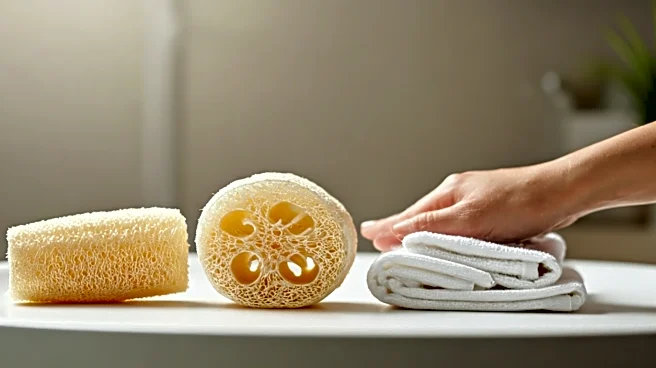
primary job is to be a humectant—a substance that attracts and binds water. Think of it as a microscopic sponge. Each molecule can hold many times its weight in water, pulling moisture into the upper layers of your skin. This is what gives you that immediate, gratifyingly plump, dewy look. When your skin is well-hydrated, fine lines appear softer, and your complexion looks bouncy and radiant. It’s the go-to ingredient for a reason, found in countless serums, essences, and moisturizers promising a major hydration boost.
The Indoor-Outdoor Humidity Trap
Here's the critical detail that often gets lost in the marketing buzz: a humectant is an equal-opportunity water thief. It will draw moisture from whatever source is most abundant. On a humid summer day, your sodium hyaluronate serum will happily pull water vapor from the air, delivering it to your skin. Everyone wins. But an indoor-outdoor event day creates a problem. Imagine walking from the sticky heat of an outdoor ceremony into a blast of cold, dry air conditioning at the reception. The humidity in that indoor space is extremely low. Now, your serum, still desperately seeking water, has a choice. With little moisture in the air, it turns to the next best source: the deeper layers of your own skin. It starts pulling water up from within and, with nowhere to go, that moisture evaporates from the surface. This process is called transepidermal water loss (TEWL). Instead of hydrating your skin, your serum is now inadvertently making it drier and tighter as the day wears on.
Occlusion: Your Skin's Personal Bodyguard
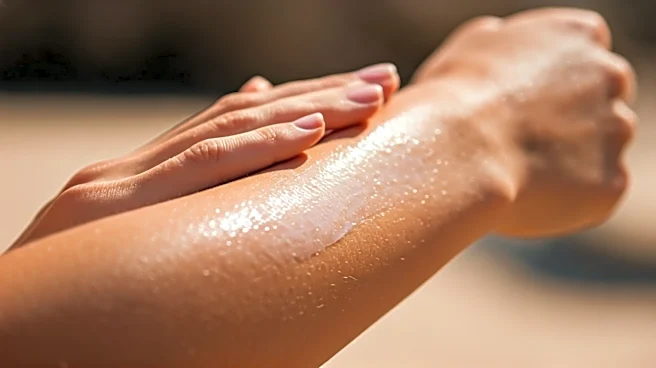
This is where occlusion saves the day. An occlusive is a type of ingredient that creates a physical barrier on the skin's surface. It doesn’t add hydration itself, but it’s brilliant at sealing in whatever is underneath it and preventing moisture from escaping. It’s the strategic final step that tells your humectant what to do. By applying an occlusive layer on top of your sodium hyaluronate, you’re essentially creating a one-way street for moisture. The barrier prevents the water your serum has attracted from evaporating into the dry, air-conditioned atmosphere. Instead, the hydration is locked in, keeping your skin plump and comfortable for hours, regardless of whether you're inside or out. Common and effective occlusive agents include petrolatum (the gold standard), dimethicone (a popular silicone in many moisturizers), lanolin, shea butter, and mineral oil.
The Simple, Event-Day Layering Strategy
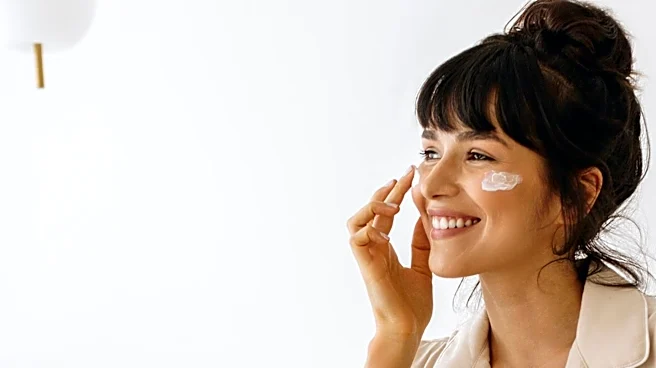
Putting this into practice is simple. Your event-day skin prep just needs a non-negotiable final step. 1. Start with Damp Skin: After cleansing, leave your face slightly damp or use a facial mist. This gives your sodium hyaluronate serum an initial drink of water to grab onto. 2. Apply Your Humectant: While your skin is still damp, apply a generous layer of your sodium hyaluronate serum. Pat it in gently. 3. Seal the Deal Immediately: Do not wait. Within a minute, apply a moisturizer that contains occlusive ingredients. For dry skin, a cream with shea butter or ceramides works well. For oily or acne-prone skin, look for a gel-cream or lotion with dimethicone, which provides an effective seal without feeling heavy or greasy. This simple sequence ensures you're creating a 'hydration sandwich,' with the humectant as the filling and the occlusive as the protective bread on top. It’s the key to making your hydrating products work for you, not against you, all day long.