



More Than Just a Time Skip
The most discussed—and for some, most frustrating—aspect of *House of the Dragon*'s first season was its aggressive use of time jumps. We blinked and Rhaenyra and Alicent went from girlhood friends to embittered adult queens, played by entirely different
actors. We skipped a decade between episodes five and six, catapulting the story forward and leaving major character developments—marriages, births, the slow curdling of relationships—in the rearview mirror. For many viewers, it felt disorienting. Where were the scenes of Rhaenyra mourning Harwin Strong? Or Alicent processing the full horror of her son’s depravity? The show seemed to deliberately leap over the very moments most dramas would build their foundations on. This wasn't a bug; it was the show's most important feature. The feeling of being dropped into a new reality without a map was entirely the point.
The Real Trick: Narrative Elision
The “hidden trick” isn't the time jump itself, but what the editors and writers chose to omit within those jumps. The technique is called narrative elision, and it’s the art of leaving things out. *House of the Dragon* doesn't just skip the boring parts; it skips the most emotionally resonant and expected scenes. It skips the immediate aftermath of a tragedy, the tearful goodbyes, the heated confrontations where characters say what they *really* mean. We didn't see the wedding of Rhaenyra and Laenor in its entirety, nor did we see Daemon and Laena fall in love. We jumped right past it. The show's creators, Ryan Condal and Miguel Sapochnik, made a calculated decision to deny the audience the traditional emotional satisfaction of seeing these moments play out. Instead, we are forced to infer them. We see the consequences, not the cause. We arrive at the scene of the crime long after the body has cooled, and we have to piece together what happened from the scars on everyone's faces.
Case Study: The Brutality of Omission
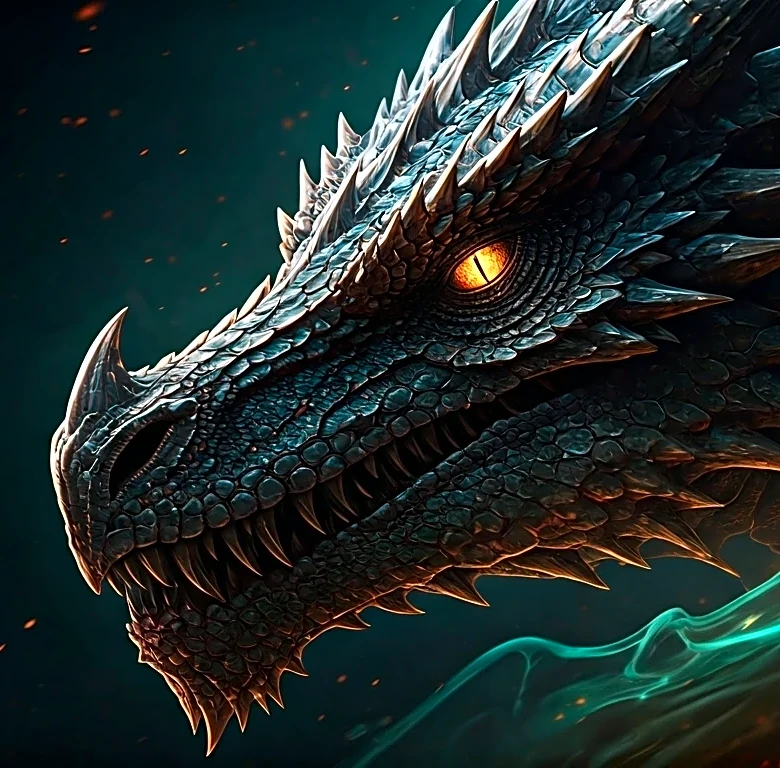
Nowhere is this technique more potent than in the handling of Laena Velaryon’s death in episode six. After a harrowing childbirth scene, she commands her dragon, Vhagar, to incinerate her—a death of a true dragonrider. It’s a shocking, powerful moment. A typical show would then spend time exploring the immediate fallout: Daemon’s grief, the reaction of her daughters, Baela and Rhaena. We would get a scene of him comforting them, or perhaps a quiet, brooding moment alone. *House of the Dragon* gives us none of that. The very next time we see Daemon is at Laena’s funeral on Driftmark, where he is already exchanging charged glances with Rhaenyra and subtly laughing at a Valyrian eulogy. The show skips his grief entirely. This feels brutal because it is. It denies our expectation for catharsis and instead forces us to focus on the next move on the chessboard. The personal is not just political; it’s immediately subsumed by it.
Why It Serves the Grander Story
This constant sense of narrative whiplash perfectly serves the show’s central theme. *Fire & Blood*, the book on which the series is based, is written as a historical account, full of conflicting reports and missing information. The show's structure mimics this. We, the audience, are like future historians sifting through the record. We don’t have access to every private conversation or moment of quiet reflection. We only have the major events—the births, the deaths, the accusations, and the battles—and we must fill in the psychological gaps ourselves. This makes the story feel bigger, more epic, and more tragically inevitable. The time jumps make resentments feel ancient and intractable. The decade-long grudge Alicent holds isn’t something that develops over a few episodes; it’s a foundational fact of her world by the time we catch up. This is a story about how generational wounds fester, and the best way to show that is to let them fester off-screen, in the darkness of the years we never get to see.