




1. To Catch the Unscripted Drama
Sometimes, the most memorable part of a performance wasn't in the script. The VMAs have a long history of unscripted moments that become instant pop culture lore. The most famous is arguably Kanye West interrupting Taylor Swift's 2009 acceptance speech,
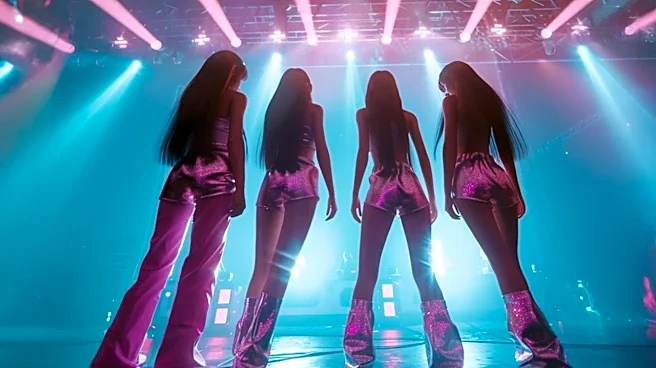
a moment that altered both of their careers. But there are others, like Nicki Minaj's tense "Miley, what's good?" callout in 2015, or the palpable tension when Fifth Harmony had a silhouetted fifth member fall off the stage in 2017, a clear nod to Camila Cabello's departure. Hitting rewind allows fans to see the shock on other celebrities' faces and relive the gasp-worthy moments that weren't part of the teleprompter.
2. To Deconstruct the Masterful Choreography
Long before TikTok trends, VMA performances were the birthplace of iconic dance routines. Beyoncé’s 2009 “Single Ladies” performance saw her and her dancers recreate the video's legendary choreography with flawless precision. Fans rewatch to appreciate the athleticism and synchronization that’s easy to miss in the excitement of a live broadcast. Performances by artists like Michael Jackson, whose 1995 medley included his signature moonwalk, and Janet Jackson, whose “Rhythm Nation” won for choreography, are studied by dancers and fans alike. More recently, Tate McRae's 2025 performance earned an Emmy nomination for its high-impact choreography, proving the tradition of dance excellence is alive and well.
3. For the Viral-Worthy Shock Value
The VMAs were built on pushing boundaries. Rewatching allows fans to revisit the moments that sent shockwaves through culture. At the very first VMAs in 1984, Madonna's performance of "Like a Virgin," where she rolled on the floor in a wedding dress, was considered scandalous. Years later, she did it again, kissing Britney Spears and Christina Aguilera in 2003. Perhaps no performance is more synonymous with modern shock value than Miley Cyrus's 2013 twerking-and-foam-finger spectacle with Robin Thicke, which dominated internet conversation for weeks. These are the moments that define an era, and rewatching is a way to understand what all the fuss was about.
4. To Find the Hidden Messages and Easter Eggs
Artists often use the VMA stage for more than just a song; they use it to send a message. Beyoncé famously ended her 2011 “Love on Top” performance by unbuttoning her jacket to reveal her baby bump, a pregnancy announcement that became one of the most joyful moments in VMA history. Similarly, Lady Gaga’s 2010 appearance in a dress made of raw meat was a statement that she is “not a piece of meat.” Fans, especially those of artists like Taylor Swift who are known for dropping clues, rewatch performances frame-by-frame, searching for hidden symbols or hints about upcoming projects.
5. To Appreciate the Sheer Spectacle
The VMAs are known for their massive production value. Rewatching lets you absorb the incredible spectacle that's often too much to take in at once. Kendrick Lamar's 2017 performance of “DNA.” and “HUMBLE.” featured ninjas engulfed in flames and gravity-defying choreography. Britney Spears' 2001 performance of "I'm a Slave 4 U" is remembered as much for the live albino python draped over her shoulders as it is for the song itself. From Beyoncé making her entrance by descending upside down from the rafters in 2003 to Lady Gaga's theatrical, blood-soaked finale for "Paparazzi" in 2009, the stagecraft is often as impressive as the music.
6. To Witness Career-Defining Moments
For many artists, a VMA performance is a turning point. It can mark a stunning debut, a powerful comeback, or the moment an artist cements their legendary status. Beyoncé's solo debut in 2003 and her fiery 2006 performance of "Ring The Alarm" are cited as moments that solidified her as a generational talent. Michael Jackson's epic 15-minute medley in 1995 remains a benchmark for live performance excellence. Newer artists also use the platform to make their mark, hoping to create a moment that will elevate them to the next level of stardom.
7. For the Audience Reaction Shots
Often, the second best show is happening in the audience. The camera frequently cuts to other celebrities, and their unfiltered reactions are priceless. Whether it's the look of confusion on the faces of Will Smith's family during Miley Cyrus's 2013 performance or the shared excitement between Jay-Z and Kanye West during Beyoncé's pregnancy reveal, these reaction shots add another layer to the performance. In recent years, networks have even leaned into this, offering dedicated camera feeds focused on the audience, because watching stars react to other stars is its own form of entertainment.
8. To Relive Pop Culture History
Ultimately, fans rewatch VMA performances because they are time capsules. These moments are more than just musical numbers; they are cultural events that capture the fashion, attitude, and sound of a specific time. From Madonna’s 18th-century France-themed “Vogue” in 1990 to Missy Elliott’s futuristic medley in 2019, each performance tells a story about its era. Hitting play on an old VMA clip is a way to revisit a piece of music history and remember why these performances became iconic in the first place.