






The Age of the Baggy Suit
To understand modern draft fashion, you have to go back to the 1990s and early 2000s, an era defined by one word: volume. This was the reign of the baggy suit. Influenced heavily by hip-hop culture and a desire to project an image of larger-than-life
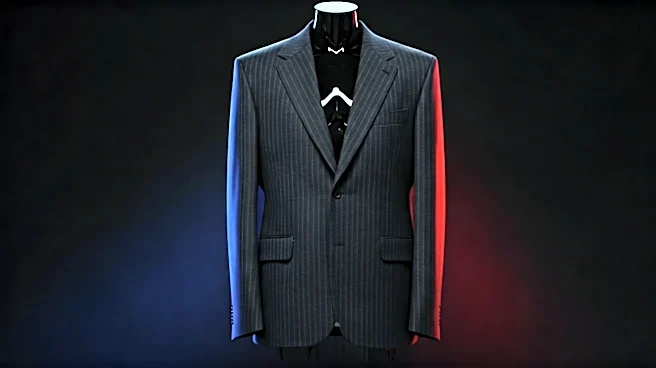
confidence, prospects arrived looking like they’d borrowed their dad’s clothes—if their dad was a giant. Jalen Rose’s iconic, fabulously oversized red pinstripe suit from the 1994 draft is the poster child for this aesthetic. It wasn't about clean lines; it was about presence. The suits were long, the shoulders were wide, and the trousers pooled around the ankles. When LeBron James, the most-hyped prospect in history, walked the stage in 2003, his all-white, double-breasted suit was a pristine, yet still profoundly baggy, symbol of the era's peak. It was a look that screamed confidence and arrival, deeply rooted in the culture that had shaped the players themselves.
The Dress Code and a Slow Transition
The mid-2000s marked a turning point, not just in fashion but in the league's culture. In 2005, NBA Commissioner David Stern implemented a mandatory dress code for players during all team and league activities. The controversial rule, which banned items like chains, sleeveless shirts, and visible headphones, was widely seen as a reaction against the hip-hop aesthetic that had come to define the league's image. While the dress code didn't directly govern draft night attire for incoming players, it signaled a seismic shift in the NBA's desired corporate image. The baggy suit didn't disappear overnight, but the tide began to turn. This period was an awkward adolescence for draft fashion. Players were caught between the swagger of the previous era and the emerging pressure to present a more polished, professional look. The suits got slightly less voluminous, but a clear new direction had yet to emerge.
The Rise of the Slim-Fit Generation
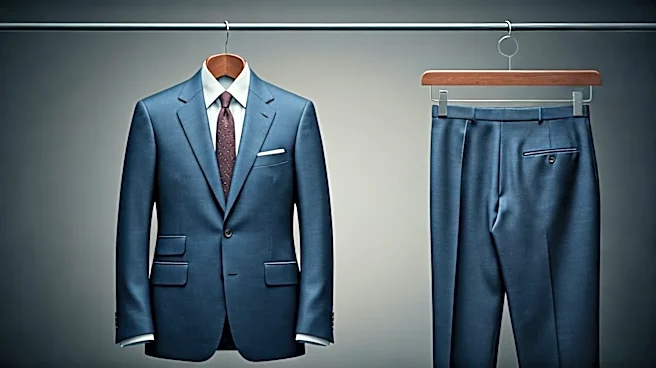
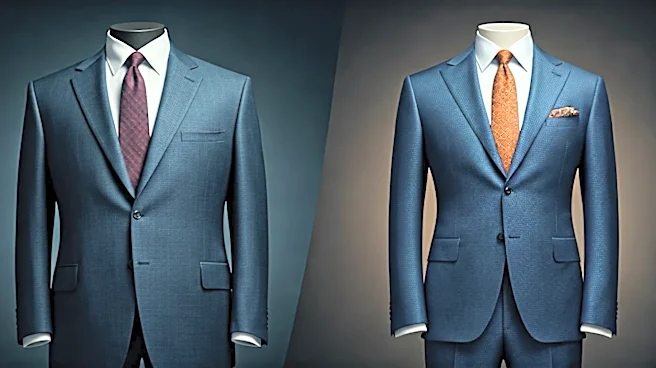
Enter the 2010s. A new generation of players, led by style trailblazers like Dwyane Wade and Russell Westbrook, began treating the pre-game tunnel walk as their personal runway. This fashion-forward mindset trickled down to the draft. Suddenly, fit was everything. The baggy silhouette was replaced by the European-style slim cut. Trousers became tapered, jackets were tailored to hug the torso, and style was as much about subtlety as it was about flash. This shift was supercharged by the explosion of social media. A player’s draft-night look wasn't just a one-time photo op; it was a viral moment, the first building block of their personal brand. Athletes were no longer just basketball players; they were influencers and entrepreneurs. A well-tailored suit communicated ambition, global awareness, and a keen understanding of the business of being a modern athlete.
Precision, Personality, and High Fashion
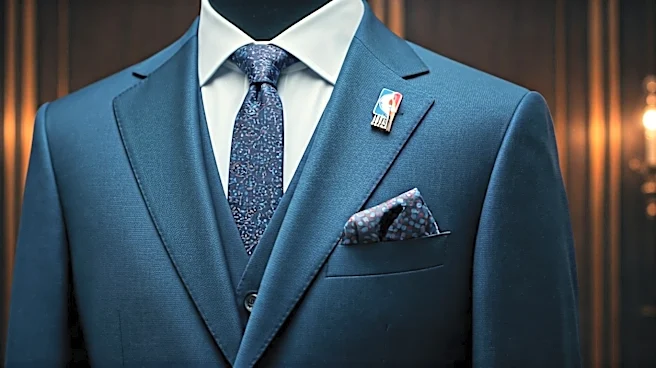
Today, draft night fashion is in its most sophisticated and expressive phase. Precision tailoring is the baseline, the absolute minimum expectation. What sets players apart now is personality and a deep engagement with high fashion. A modern draft suit is a storytelling device. Custom linings might feature photos of family members or hometown landmarks. Lapel pins, unique fabrics, and bold color choices abound. Players work with stylists and high-end designers for months to craft a look that is entirely their own. Think of Shai Gilgeous-Alexander’s floral-print suit in 2018 or Victor Wembanyama’s sleek, dark green Louis Vuitton ensemble in 2023. These aren’t just suits; they are carefully curated statements. The baggy suit of the 90s was a declaration of cultural identity. The tailored suit of today is a declaration of personal brand identity, signaling a player’s readiness to become a global business from the moment their name is called.