



Philosophy First: Function Over Frills
The story of Scandinavian functional dressing begins not with fashion, but with a broader design movement that took hold in the Nordic countries in the early 20th century. This philosophy, known as functionalism, championed simplicity, minimalism, and practicality
over ornate decoration. Emerging in the post-war era, it was a direct response to a need for affordable, well-made, and accessible products for everyone, not just the wealthy. This democratic approach to design—creating things that were beautiful and useful—was deeply embedded in the region's social values. The idea was simple: an object's design should be dictated by its purpose. This “less is more” ethos spread from architecture and furniture into clothing, laying the groundwork for a wardrobe built on purpose and quality.
Climate as a Co-Designer
You can't separate Scandinavian style from the Scandinavian climate. Long, cold winters and mild, fleeting summers demanded clothing that was, above all, practical. Survival required warmth, durability, and protection from wind and rain. This led to a tradition of layering and an appreciation for high-quality, natural materials like wool, which provides warmth and breathability. Thick woolen sweaters, practical coats, and sturdy boots weren't fashion choices; they were necessities. This constant negotiation with nature meant that function was never an afterthought. Clothing had to perform. The resulting aesthetic—relaxed silhouettes, an emphasis on comfort, and the ability to layer pieces seamlessly—grew directly from these environmental demands.
The Rise of Democratic Style
As the functionalist design movement gained momentum in the 1950s, so did its influence on fashion. International exhibitions, such as the "Design in Scandinavia" tour that traveled through the U.S. between 1954 and 1957, introduced the world to this new, clean aesthetic. The style was characterized by a neutral color palette of white, grey, beige, and black, which reflected the natural light and landscapes of the North. These muted tones created a cohesive and versatile wardrobe where pieces could be easily mixed and matched. This practicality was rooted in concepts like the Swedish 'lagom,' which translates to “just the right amount,” favoring balance and moderation over excess. The focus shifted to buying fewer, better things—timeless pieces made to last, a core tenet of what would later be called 'slow fashion.'
From Local Ethos to Global Phenomenon
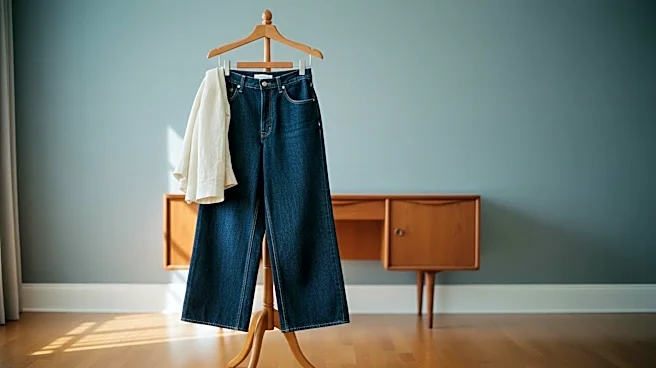
What began as a regional solution to environmental and social conditions has become a global style phenomenon. The appeal of Scandinavian functional dressing lies in its authenticity; it's a style born from genuine need rather than manufactured trends. Its core principles—simplicity, quality, comfort, and sustainability—resonate with modern consumers looking for an alternative to the relentless cycle of fast fashion. The emphasis on androgynous or gender-neutral silhouettes, like oversized blazers and straight-leg jeans, also reflects the region's progressive values of equality. Today's Scandi style continues to honor its roots. It champions elevated basics, impeccable craftsmanship, and a quiet confidence that proves style doesn't need to shout to be heard. It is a wardrobe built for life, not just for a season.