







The Anatomy of a Painful Goodbye
No athlete outruns time. The end often arrives through a series of painful reminders: a step lost, an injury that won’t quite heal, or the simple, crushing realization that the body can no longer meet the mind’s demands. For many, retirement is not a choice
but a physical eviction. Andy Murray’s tearful 2019 press conference, where he detailed the chronic hip pain that was forcing him out, was a raw look at this reality. This physical and emotional struggle is the backdrop against which the farewell tour is set. It’s a public acknowledgment of vulnerability from figures we’ve only known as titans. This transition often involves a profound sense of identity loss, as a life defined by competition and training comes to an end.
Taking Control of the Narrative
A pre-announced retirement tour is a brilliant strategic move. It is, perhaps for the first time, an athlete’s chance to fully control their own story. Instead of fading away or being pushed out, they are orchestrating their own exit. Kobe Bryant, a player defined by his fierce, often polarizing, competitiveness, announced his final season in advance. This act transformed his last 82 games from a sad decline into a celebratory procession. Every arena became a stage for appreciation, allowing fans, media, and even Bryant himself to reframe his career, focusing on the vast legacy rather than the Lakers' losing record that season. The narrative shifted from “Is he done?” to “Thank you for everything.”
From Villain to Elder Statesman
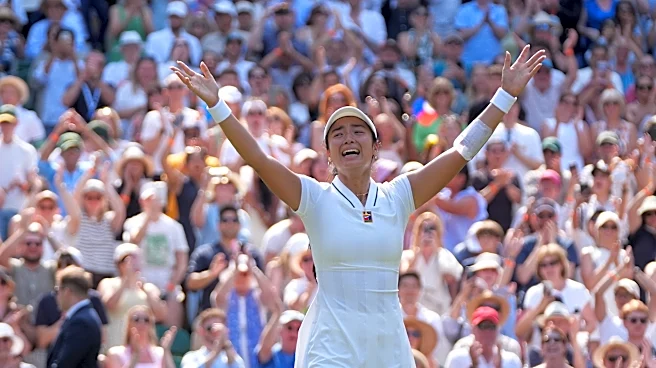
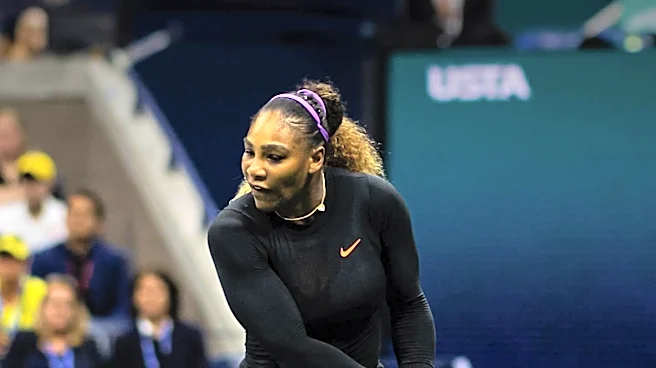
A curious alchemy occurs during a farewell tour: a fierce competitor, often a villain to opposing fans, is suddenly embraced as a beloved elder. Kobe Bryant, long booed in road arenas, received standing ovations and tribute videos from rival teams. The animosity of competition dissolves, replaced by a shared sense of history. Serena Williams' final US Open in 2022 was a perfect example. Fans who had debated her GOAT status for years were now united in a singular, roaring wave of support. Her opponent in her final match, Ajla Tomljanovic, encapsulated the shift, noting her surreal feeling of playing against her childhood idol in such a moment. The tour temporarily suspends rivalry in favor of reverence.
When the Moments Outweigh the Results
In a farewell tournament, the scoreboard often becomes secondary. The wins and losses are less important than the moments of connection and flashes of old brilliance. Serena Williams didn't win the 2022 US Open, but she fought valiantly, saving five match points in her final game before an adoring New York crowd. That gritty, final stand became the defining memory, not the loss itself. The focus shifts from the outcome to the effort. It’s about seeing the humanity behind the legend—the gratitude, the tears, the final wave to the crowd. It allows fans to cheer for the person, not just the player, cementing an emotional bond that transcends any single result.
The Reciprocity of Respect
Ultimately, the transformation from pain to respect is a two-way street. By announcing their departure, athletes give fans the gift of a proper goodbye. In return, fans give the athlete their unconditional appreciation, often washing away the memory of past controversies or on-court rivalries. The athlete shows vulnerability and gratitude, and the crowd responds with an outpouring of affection that solidifies a legacy. It’s a shared ritual of closure. Players get to soak in the admiration, reflecting on their careers from a new perspective, and fans get a final chance to participate in the story of a legend, ensuring the final chapter is one of mutual respect.