
Go Beyond the Basic TV Rating
The little icon in the corner of the screen—TV-Y, TV-G, TV-PG—is your first clue, but it's often not the whole story. A TV-G rating, for 'General Audience,' simply means most parents will find it suitable
for all ages, though it isn't specifically designed for children. TV-Y is for all children, while TV-Y7 is for kids 7 and up, often because it contains 'fantasy violence'. But the most crucial information lies in the sub-ratings: the letters D, L, S, and V. These tiny additions tell you if a TV-PG show earned its rating for suggestive dialogue (D), coarse language (L), sexual situations (S), or violence (V). A show with mild thematic elements is very different from one with crude language, but both can fall under the same TV-PG umbrella.
Use a Parent-Focused Review Service
Trailers are marketing; parent-focused review sites are intelligence. Websites like Common Sense Media offer detailed breakdowns that go far beyond official ratings. They don't just tell you a show has 'violence'; they describe whether it's cartoonish slapstick or something more intense. These non-profit sites provide age-appropriateness ratings based on child development principles and detail everything from positive messages and role models to levels of consumerism, language, and scariness. Similarly, sites like Parent Previews and Kids-In-Mind offer granular reports on content, grading movies and shows on specific categories of concern like language or violence, helping you make a truly informed choice.
Master the 'Parents Guide' Hack
One of the most powerful and underutilized tools is hiding in plain sight on IMDb. For nearly any movie or series, you can scroll down the main page and click on the 'Parents Guide' section. This is where you'll find a user-generated, scene-by-scene breakdown of exactly what to expect. It's an unvarnished look at a show's content, detailing specific instances of violence, profanity, and other mature themes. While it can contain spoilers, it is the single best way to know precisely what a generic 'moderate violence' warning actually entails before your child sees it. This is the ultimate tool for getting past the trailer's curated clips.
Watch the First Episode Together
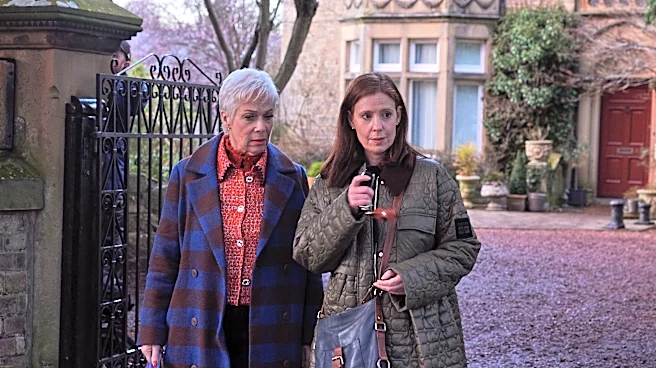
For any new show, especially those rated TV-PG or higher, consider the 'First Episode Rule'. Commit to watching the premiere with your kids. This isn't just about spotting inappropriate content; it's about gauging the show's overall tone and themes. Is the humor witty or just mean-spirited? Are the characters solving problems with creativity or bratty behavior? Watching together gives you a baseline for the entire series and opens the door for conversations about what they're seeing. A show like Apple TV's 'The Sisters Grimm', which returned in early October, has a whimsical, fantasy tone that a trailer can only hint at. You'll get a much better feel for it by experiencing an episode yourself.
Follow the Creator, Not Just the Show
In today's crowded streaming world, sometimes the most reliable indicator of quality is the production company or creator behind a show. If your family loved a particular animated series, see what other projects that studio has produced. For example, a new season of 'Mickey Mouse Clubhouse+' landed on Disney+ this month, a reliable brand for the youngest viewers. On Netflix, the new 'Unicorn Academy' chapter offers a known quantity for its fans. When you find a creative team whose storytelling aligns with your family's values, following their work can be a helpful shortcut to discovering new favorites without having to vet every single premiere from scratch.