




The Ritual of the Rental
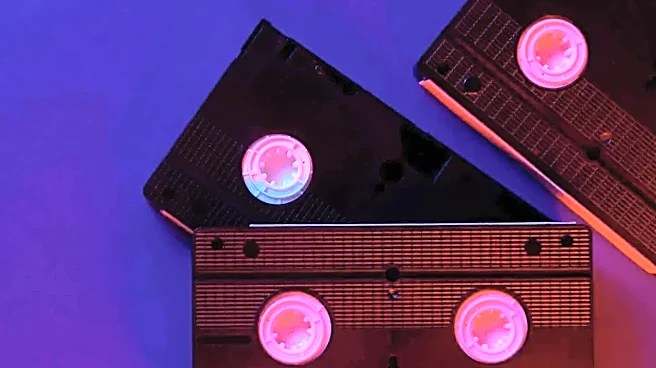
For a generation, the Halloween movie experience began long before the film started. It began with a trip to the local video store, a cathedral of weekend possibility. The horror section was a specific kind of sacred ground, often tucked away in a dimly
lit corner, its shelves lined with lurid, promising box art. This was an era of scarcity and discovery. You couldn't just watch anything; you had to hope the single copy of 'A Nightmare on Elm Street' wasn't already checked out. The artwork was the primary selling point, often promising more terror than the movie itself delivered. Choosing a movie was a commitment. It involved debate among friends, recommendations from a film-obsessed store clerk, and the tactile promise of the heavy clamshell case. This physical hunt was a crucial part of the tradition, a shared pilgrimage that culminated in crowding around a TV to see if your chosen tape was a trick or a treat.
The Collector’s Edition Era
The arrival of the DVD in the late 1990s marked a significant shift from renting to owning. The format was sleeker, more durable, and offered superior audio and video quality. Suddenly, Halloween wasn't just about what you could find at Blockbuster; it was about curating your own personal library of fear. The DVD era ushered in the fetishization of special features. Director's commentaries, deleted scenes, and behind-the-scenes documentaries turned casual fans into amateur film scholars. You didn't just watch 'Halloween'; you watched it with John Carpenter explaining his techniques. This was the golden age of the collector's edition, with studios re-releasing classics in elaborate box sets. While Netflix began its life as a DVD-by-mail service, eroding the dominance of brick-and-mortar stores, the fundamental idea of a physical object—a disc you held in your hand—still anchored the viewing experience.
The Endless, Algorithmic Haunting
Then came the flood. The rise of high-speed internet and streaming platforms like Netflix, Hulu, and genre-specific services like Shudder fundamentally broke the old model. The concept of a finite selection vanished, replaced by a seemingly bottomless digital library. Convenience became the paramount virtue. Any horror movie you could think of was likely just a search away, available instantly. This new era brought incredible access, especially for fans of niche subgenres and international horror, which now had a direct pipeline to American audiences. Horror-centric platforms like Shudder, which launched in 2015, thrived by catering directly to a passionate, year-round fanbase that had previously been underserved by mainstream outlets. Horror was no longer just a seasonal event; for many, it became a 24/7 lifestyle.
Choice vs. Curation
The move from physical media to streaming represents a trade-off. We swapped the ritual of discovery for the efficiency of the algorithm. On one hand, the sheer volume of available content is staggering. There has never been a better time to be a horror fan in terms of pure accessibility. On the other hand, this 'Great Horror Boom' can lead to decision paralysis. The endless scroll can feel more like a chore than a treasure hunt, and many streaming-exclusive films vanish without making a cultural impact. The communal experience has also changed. The shared cultural moment of everyone renting the same hot new release has been replaced by a more fragmented, individualized viewing experience dictated by personal taste and streaming service suggestions. While some argue the theatrical experience remains superior for horror's communal thrill, the home viewing landscape has become a far more solitary affair.