








The Awards Show Gambit
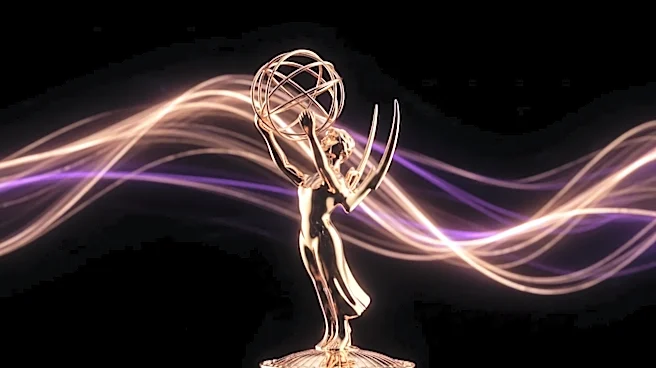
One of the biggest drivers behind the “comedy” label is the Emmy Awards. For years, the drama categories have been fiercely competitive, often dominated by a few juggernaut shows. Networks and creators realized that submitting a show as a comedy could
offer a clearer path to nominations and wins. The decision rests with the show's producers and network, not the Television Academy itself. This strategic placement, sometimes called "category fraud" by critics, allows a critically acclaimed but tonally complex show like The Bear to compete against sitcoms rather than heavy dramas like Succession or Shogun. A win in a major category is a powerful marketing tool, boosting a show's prestige and viewership, making the strategic submission a calculated and often rewarding risk.
The Half-Hour Advantage
Beyond awards, the format itself is a major factor. For decades, a half-hour slot meant a sitcom, and an hour meant a drama. But the rise of the “dramedy” has blurred these lines. Creatively, a 30-minute runtime allows for tight, propulsive storytelling that feels both cinematic and easily binge-able—perfect for the streaming era. Economically, shorter episodes can mean lower production costs. This format gives showrunners more flexibility to blend humor with serious themes like grief and anxiety, which might feel too heavy for a traditional hour-long drama but too bleak for a classic sitcom. The result is a hybrid form that reflects the messiness of real life, where comedy and tragedy often coexist.
A New Definition of Funny
The very definition of what an audience finds “comedic” is also expanding. The humor in shows like Barry or Fleabag doesn't come from a laugh track or a setup-punchline structure. Instead, it’s found in the absurdity of a situation, the anxiety of a moment, or the cringeworthy relatability of a character's flaws. Comedians and creators are increasingly using the genre to explore darker subjects, leveraging the label to subvert audience expectations. The comedy isn't always about making you laugh; sometimes it's about the uncomfortable recognition of human pain and the chaotic ways people cope. This evolution means a “comedy” can be intense, stressful, and heartbreaking, yet still earn the label by finding humor in the absurdity of its characters' struggles.
The Streaming Effect
Streaming services have supercharged this trend. Unlike network television, which traditionally needed to program broad-appeal shows into rigid time slots, streamers thrive on niche audiences and diverse content libraries. A genre-bending “comedy” helps a platform like Netflix or Hulu build a brand of sophisticated, award-worthy content that attracts subscribers. Shorter, serialized seasons of 8 to 12 episodes are better suited to the binge-watching model than the 22-episode network sitcom. These platforms give creators more freedom to experiment with tone and structure, moving away from the need for self-contained, easily digestible episodes and toward more complex, season-long character arcs. In this landscape, “comedy” is less a description of content and more a marker of a certain kind of prestige, half-hour television.