
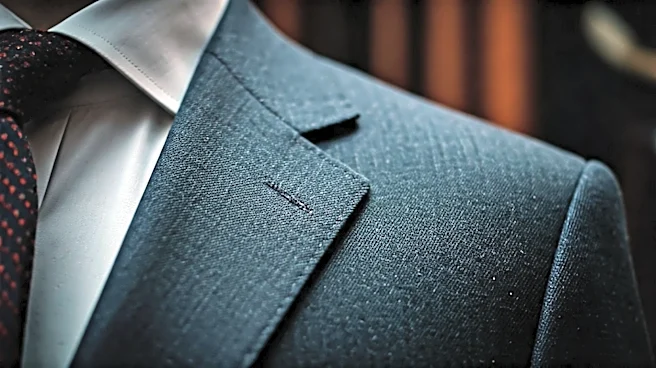


More Than Just Muted Tones
First, let's get one thing straight. The sea of stylish men descending on Florence’s Fortezza da Basso isn't just cosplaying as characters from *Succession*. While the palette has certainly softened—moving from bold streetwear graphics to earthy tones,
creams, and navies—the real story isn't the color. It's the construction. For years, menswear chased hype: loud logos, chunky sneakers, and attention-grabbing silhouettes. The new mood at Pitti Uomo is a quiet rebellion against that noise. It’s less about what a garment shouts and more about what it whispers. And that whisper starts with the very threads it's made from.
The Underrated Power of Fabric Weight
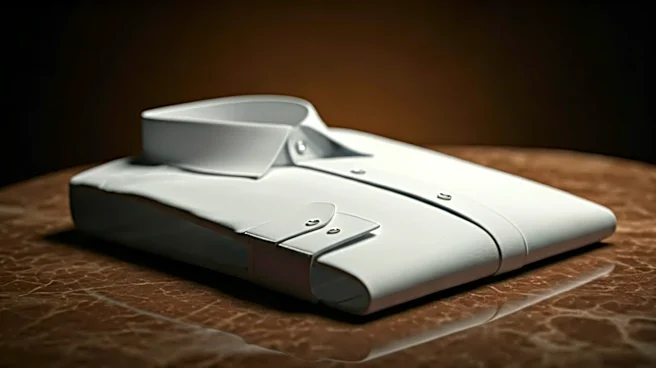
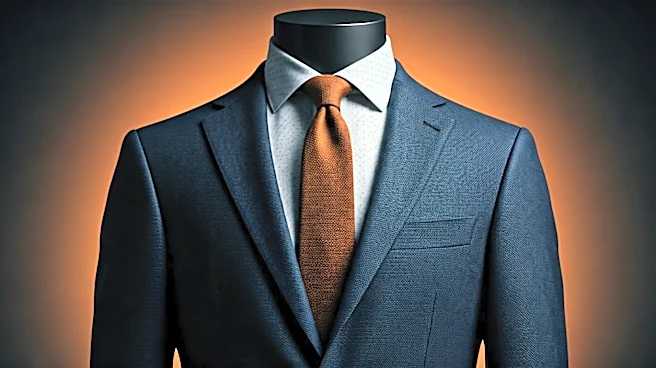
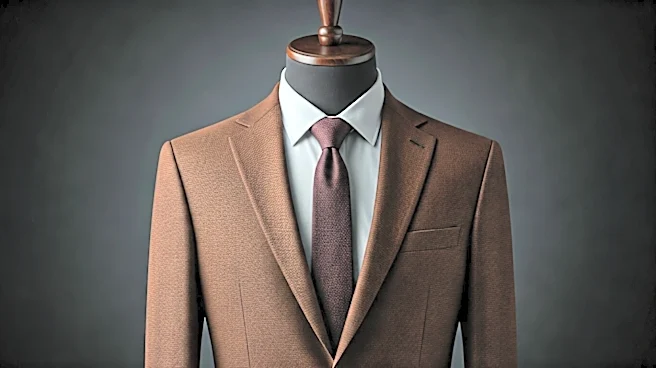
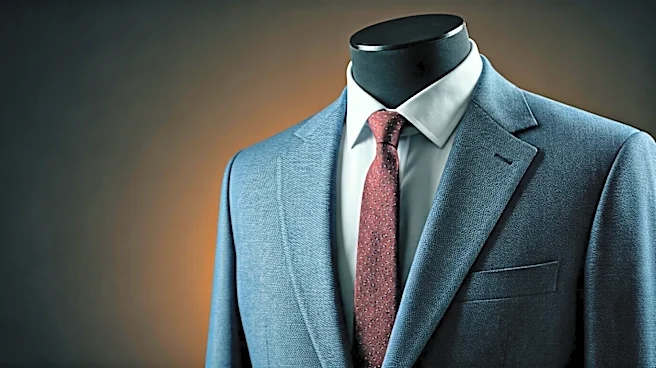
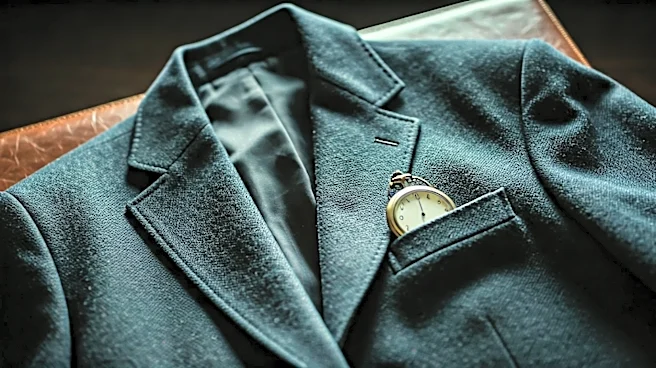
This is where the pivot truly happens. Quiet luxury, in practice, is a masterclass in fabric selection. Instead of stiff, heavy materials that hold a rigid shape, the new ideal is all about drape and movement. Think of an unstructured blazer made from a wool-linen-silk blend. It doesn't sit on your shoulders; it flows with them. The fabric is light enough for a summer breeze but has enough substance to hang beautifully, creating a silhouette that is both relaxed and intentional. This is a departure from the heavily-padded, armor-like suiting of corporate America or the starchy stiffness of fast fashion. At Pitti, you see trousers in high-twist wool that resist wrinkling and feel almost cool to the touch, or shirts in crisp poplin that have body but no bulk. This focus on lighter, more breathable, and texturally rich fabrics is the ultimate tell. It prioritizes the wearer's comfort and communicates quality through feel and drape, not a visible brand name.
The New Definition of a Perfect Fit
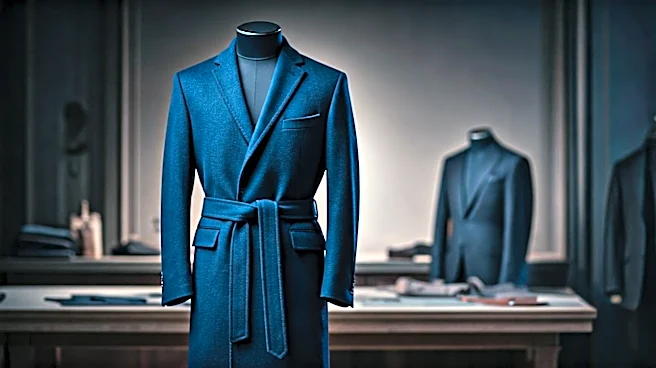
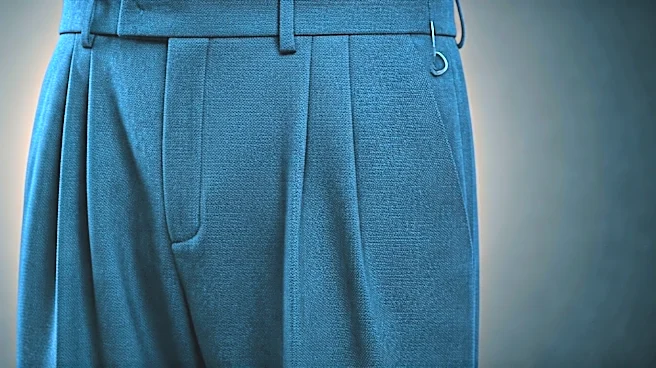
For the better part of two decades, menswear oscillated between two extremes: the spray-on skinny jeans and slim-fit suits of the 2010s, and the massively oversized, baggy silhouettes of high-fashion streetwear. The new fit championed at Pitti is a sophisticated middle ground. It’s not tight, and it’s certainly not sloppy. It's about volume with purpose. Trousers are a key example. They’re fuller through the thigh, often featuring pleats, and taper gently toward the ankle. They give the wearer room to move and create an elegant, elongated line. Similarly, jackets are softer in the shoulder, with less canvassing and structure, allowing them to conform to the body's natural shape. This isn't about hiding the body; it's about complementing it. The goal is an effortless look that suggests the clothes were made for the person, not that the person is trying to fit into a pre-ordained, restrictive shape. This relaxed-but-tailored fit is inherently more difficult—and expensive—to get right than a simple slim or oversized cut, making it a subtle signifier of craftsmanship.
Putting It All Together
Fabric and fit are not independent variables; they work in tandem to create the quiet luxury aesthetic. A lightweight, fluid fabric would look disastrous in a skinny-fit suit; it needs the room provided by a more relaxed cut to drape properly. Likewise, a fuller, pleated trouser cut from a cheap, stiff polyester would look bulky and unflattering. It requires a fabric with substance and movement to hang correctly. This synergy is the core of the trend. It’s the visual harmony of a soft-shouldered jacket in a hopsack weave paired with a high-waisted, flowing trouser. The entire look telegraphs ease, confidence, and an appreciation for quality that goes far beyond a logo. It says, “I invested in comfort and construction,” which is a far more powerful statement than, “I invested in a brand.”