




The Trick: Intentional Disruption
The core 'trick' isn't about adding more clothes; it's about creating intentional disruption. Professional stylists on the Paris scene masterfully break the expected silhouette. Instead of a seamless, predictable flow, they introduce a piece that interrupts
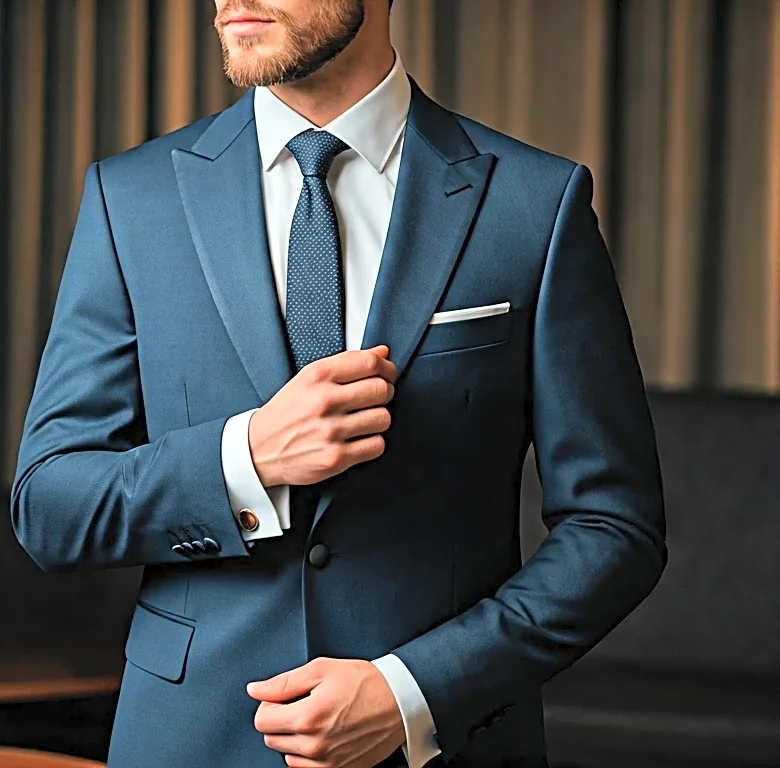
the line, plays with proportion, or clashes in texture. This isn't chaos; it's calculated. Recent menswear collections for Spring/Summer 2027 have shown this through transparent layers that reveal the structure underneath or by adding a sharply tailored piece over a fluid one. [5, 9] The goal is to make the eye move, to question what you're seeing, and to turn a simple outfit into a statement. Think of it as a three-piece rule: a base, a middle layer, and a final 'disruptor' piece that redefines the entire look. [4]
Mastering Proportions and Length
One of the most effective ways stylists create this disruption is by playing with length and proportion. The recent Paris runways were a clinic in this, moving away from simple, streamlined minimalism toward more inventive styling. [7] We're seeing long, fluid coats over cropped jackets, oversized shirts peeking out from under shorter sweaters, and even skirts layered over trousers. [4, 13] The idea is to create a dynamic, uneven hemline. [17] For example, a crisp, tailored blazer might be worn over a long, untucked poplin shirt, which in turn is layered over slim trousers. [3] This technique, seen in various forms from New York to Paris, breaks the body into interesting new geometric shapes and prevents the layers from looking bulky. [2, 13]
The Power of Textural Contrast
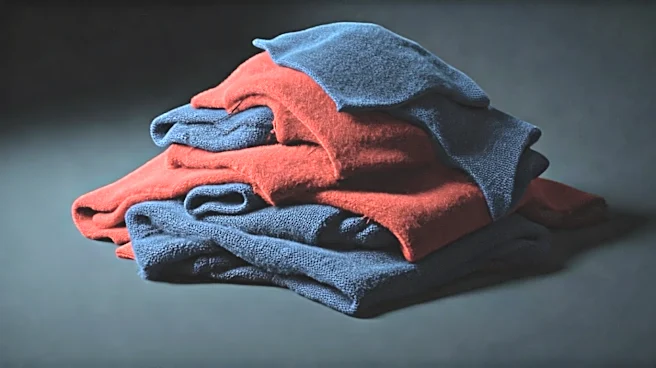
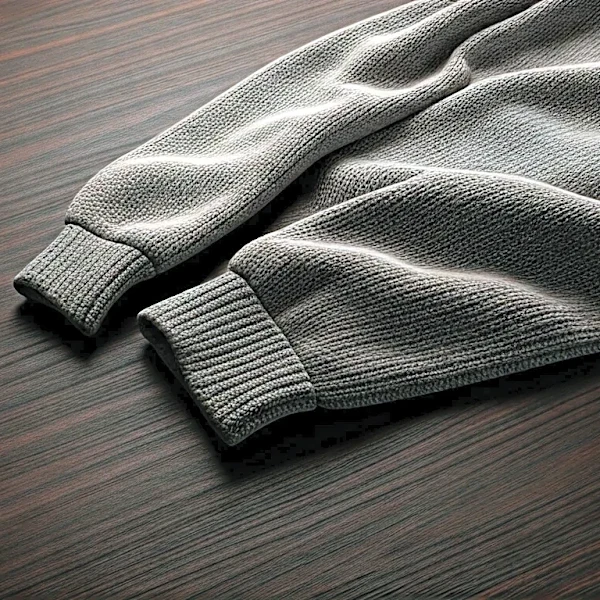
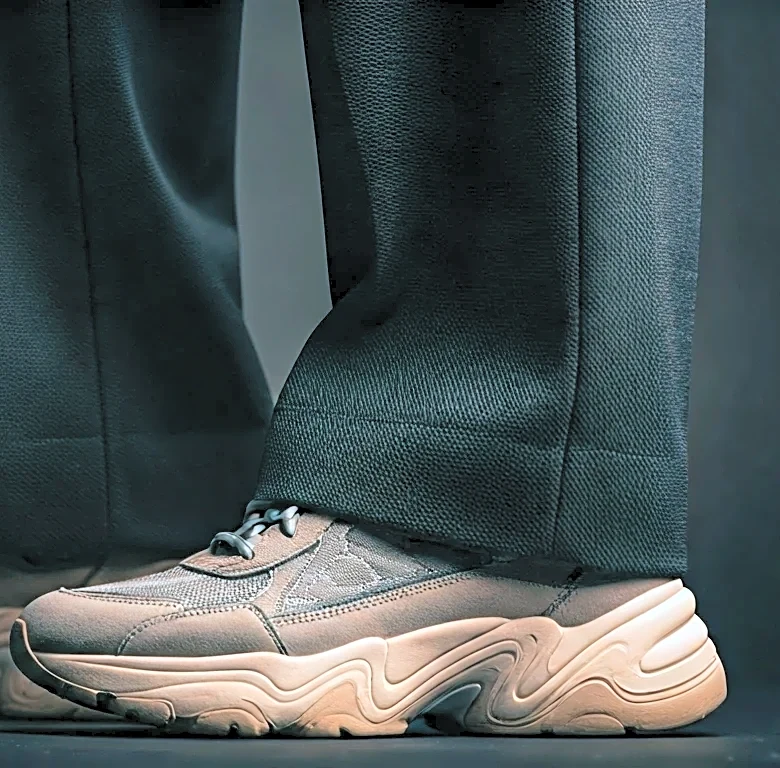
A layered look without textural variety can fall flat, appearing heavy and one-dimensional. The real artistry comes from mixing materials in unexpected ways. [12] The Spring/Summer 2027 shows highlighted this with juxtapositions of heavy and fluid fabrics. [9] Imagine a tough leather jacket layered with a soft, chunky knit, or a sheer organza blouse under a structured wool coat. [4, 9] This contrast does more than just add visual interest; it gives the outfit depth and a tactile quality. [12] Stylists mix smooth cotton with rough denim, or sleek silk with cozy cashmere, proving that the interplay of materials is just as important as the colors or cuts of the garments themselves. [12]
How to Adapt the Runway Trick
Bringing this concept home doesn't require a runway-sized wardrobe or budget. It’s about adopting the mindset of intentional disruption. Start with your basics, like a t-shirt and jeans. Then, add your 'disruptor.' Instead of a simple cardigan, try a longer, unbuttoned shirt worn as a jacket. Or, take a cue from the pros and double up on lightweight outerwear—a denim jacket under a roomier trench coat, for instance. [3] Another accessible trick is using a belt to create a new silhouette, cinching it over a blazer or even a coat to interrupt the volume. [4, 7] Play with a 'category sister' pairing, like a denim jacket with a leather one, to focus on texture. [3] The key is to add that one unexpected, thoughtfully placed element that elevates the entire ensemble from simply 'getting dressed' to 'styling.' [2]