




Understanding the Glow: Dewy vs. Radiant
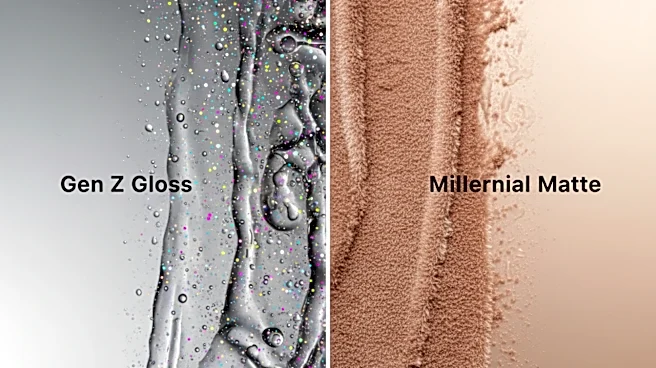
First, it's crucial to understand the distinction. A 'dewy' finish is characterized by a high-shine, almost wet look that suggests intense moisture. It’s fresh and youthful, but its reflective nature can be unpredictable under harsh lighting, often highlighting
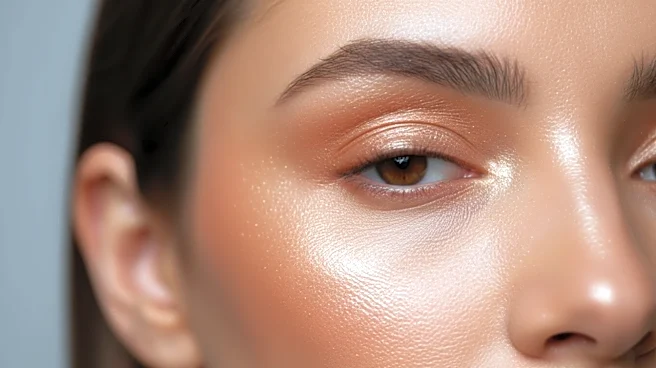
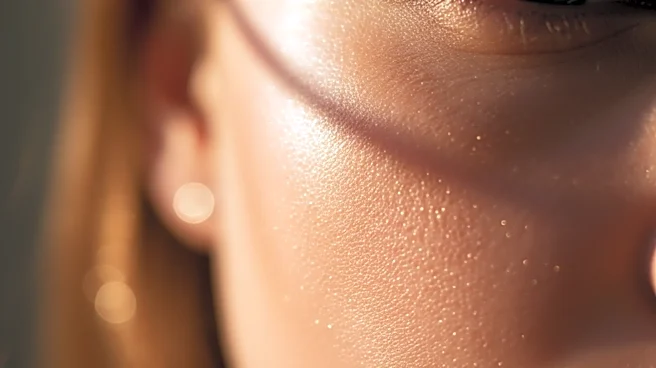
texture or appearing oily. 'Radiant,' on the other hand, is about control. It’s a luminous, healthy glow that seems to emanate from within the skin rather than sitting on top of it. This finish reflects light intentionally and softly, creating dimension without the high-gloss shine of a dewy look. For cameras and long events, radiance offers the best of both worlds: a luminous complexion that looks perfected, not sweaty.
The Foundation of Radiance Is Skin Prep
Makeup artists unanimously agree that a lasting look begins long before foundation is applied. The goal is to create a hydrated, smooth canvas. This starts with exfoliation to remove dead skin cells that can make makeup look cakey. Next comes hydration, but with a strategic approach. Instead of heavy creams, pros opt for lightweight, fast-absorbing serums and gel moisturizers that plump the skin without leaving a greasy film. The final and most critical prep step is the primer. Illuminating primers are designed to catch and reflect light, creating a foundational glow before any color is added. Formulas with ingredients like hyaluronic acid and light-reflecting pigments can hydrate, smooth, and illuminate all at once.
Strategic Application for a Lit-From-Within Effect
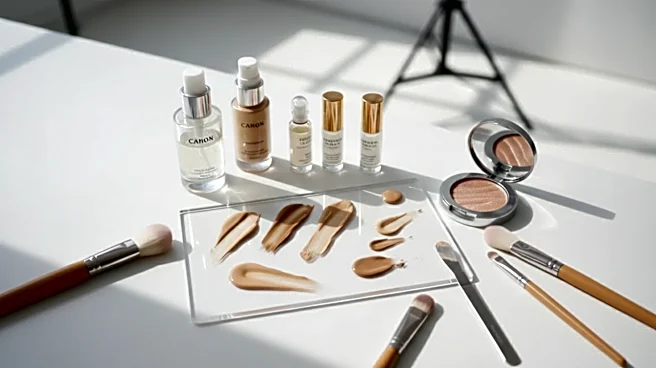
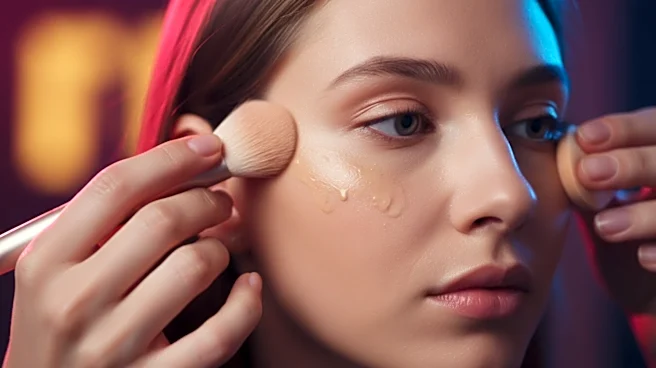
Achieving controlled radiance isn't about layering highlighter everywhere. It's about thoughtful product selection and placement. Artists often choose foundations with a 'luminous' or 'satin' finish rather than a strictly 'dewy' one, which provides glow without excess slip. These are often applied in thin layers, buffed into the skin with a brush for control and then blended with a damp sponge for a seamless, skin-like finish. Cream-based products for blush and contour are favored over powders at this stage because they melt into the skin and enhance the luminous effect. The key is to build coverage and color slowly and only where needed, allowing the prepared skin and illuminating primer to do most of the glowing work.
The Art of the 'Pinpoint' Powder Set
This is where the 'control' in 'controlled radiance' truly happens. Instead of dusting powder all over the face, which would mattify the carefully built glow, artists use a technique called 'pinpoint powdering' or 'strategic setting'. Using a small, fluffy brush, they apply a finely milled translucent setting powder only to the areas that tend to produce unwanted shine: the T-zone (forehead, sides of the nose, and chin), under the eyes to set concealer, and around the mouth. This technique locks down the makeup where it's most likely to move while leaving the high points of the face—like the cheekbones—free to reflect light. Some powders even contain subtle light-reflecting particles to set makeup without dulling the glow.
Locking It In for the Long Haul
The final step to ensure the look withstands heat and hot lights is a setting spray. But not just any setting spray will do. While a mattifying spray would counteract the radiance, artists often reach for hydrating mists or setting sprays specifically designed for a luminous finish. A light mist sprayed across the face melts all the layers of makeup together, removes any lingering powdery texture, and provides a final layer of insurance against creasing and fading. This final step fuses the products into one seamless, radiant finish that looks like real, healthy skin—only perfected. This ensures the glow is locked in place and remains elegantly radiant for hours on end.