





The New Courtside Uniform
The look is everywhere at the 2026 Championships, from the bustling Queue to the exclusive hospitality suites. Spectators are embracing flowing, cream-colored trousers that offer a relaxed yet sophisticated alternative to the classic summer dress. Paired
with crisp shirts, fitted tops, or cropped blazers, the silhouette is undeniably chic. It’s a style that feels both timeless and perfectly of the moment, blending athletic ease with high-fashion polish. While Wimbledon’s on-court players adhere to a strict all-white dress code, the spectators have found a new way to interpret “tennis whites” with a modern, comfortable, and powerfully understated garment. But this seemingly simple trend has deeper roots, connecting back to one of tennis’s greatest fashion disruptors.
A Quiet Nod to a Rebel Queen
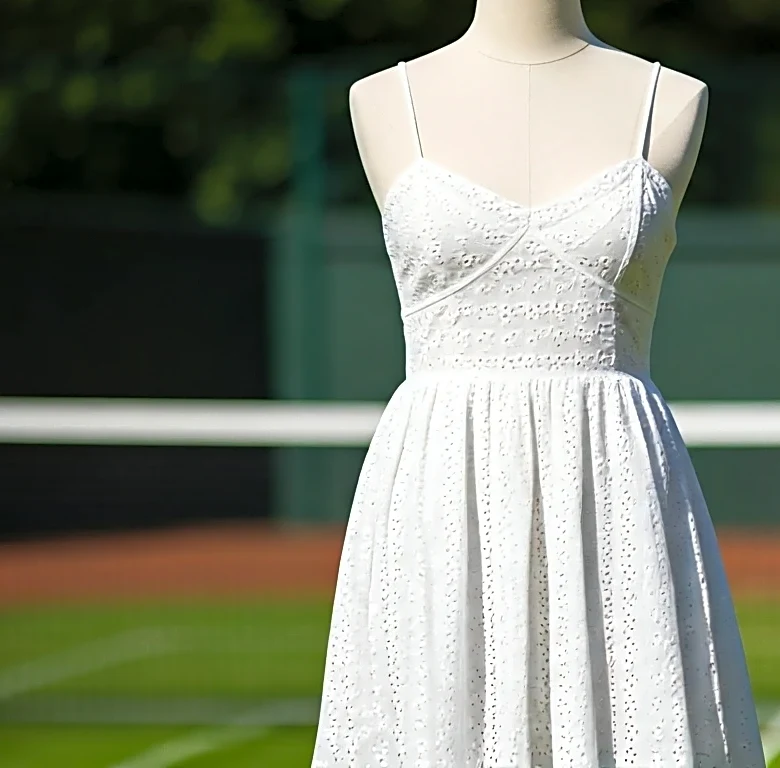
The spirit of this trend owes a debt to Venus Williams, a player who consistently used fashion to make a statement. While she may not have worn these exact trousers, her career was defined by challenging Wimbledon's sartorial traditions. Consider her 2011 appearance in a daring lace-and-playsuit creation of her own design, or her 2010 Tina Turner-inspired frilly dress. Most famously, she sparked controversy with a black and red lace can-can style dress at the 2010 French Open, worn with skin-toned shorts underneath to create what she called an "illusion of bareness." These choices weren't just about aesthetics; they were about claiming agency and individuality on a stage known for its rigidity. Williams proved that athletes could be both fierce competitors and unapologetic fashion innovators. The wide-leg trousers of today echo that sentiment: finding freedom, elegance, and personal expression within a classic framework.
The Ghost of Sportswear Past
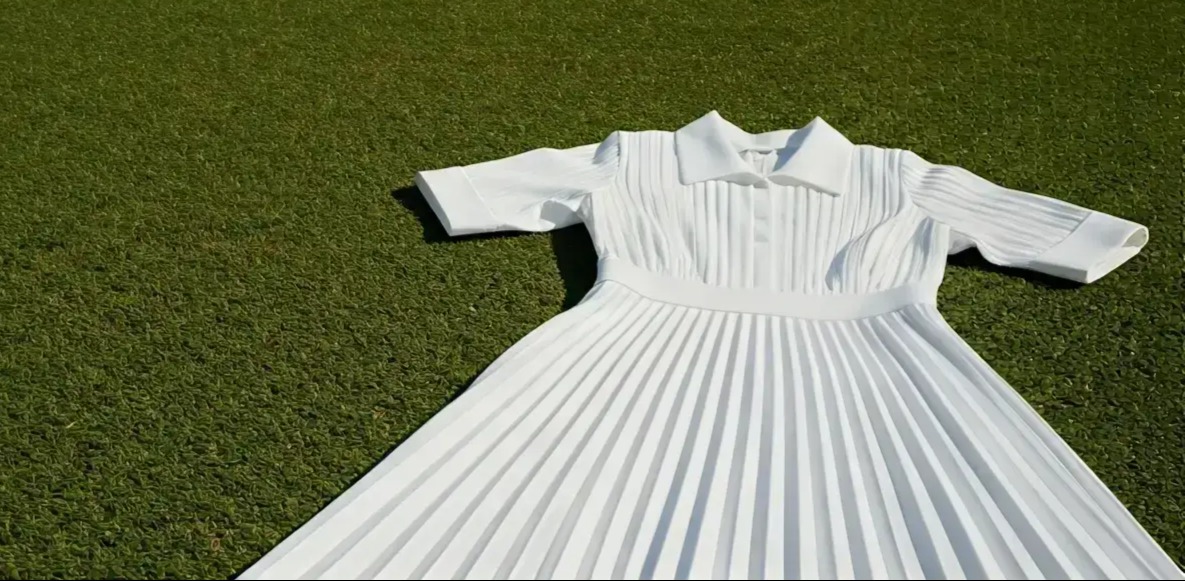
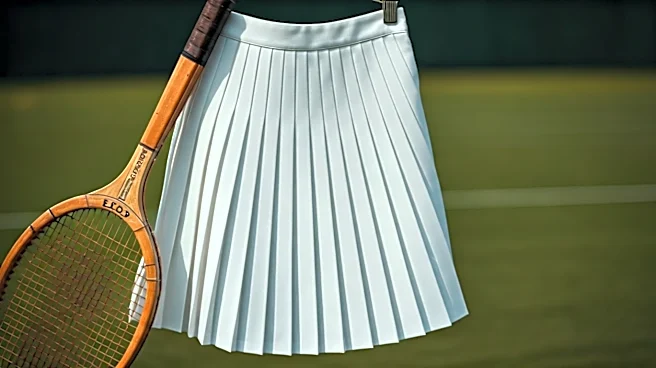
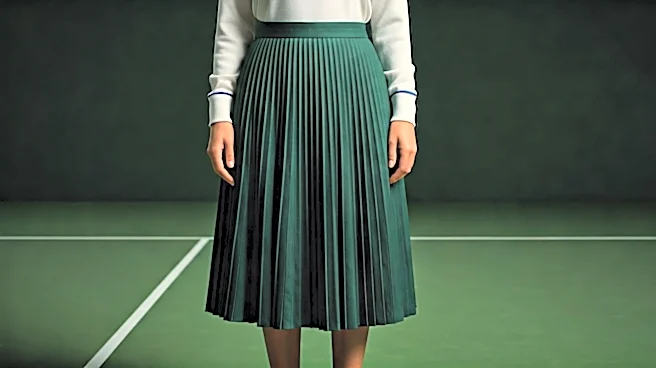
This movement toward more liberating athletic wear isn't new. In fact, it's a century-old story. The modern wide-leg trouser is a direct descendant of early 20th-century sportswear revolutions. In the 1920s, French tennis star Suzanne Lenglen shocked the world by ditching restrictive corsets and long skirts for knee-length pleated dresses and sleeveless tops designed by Jean Patou. She prioritized freedom of movement, and in doing so, became a global style icon who laid the groundwork for modern sportswear. Around the same time, society was seeing the rise of “The New Woman,” who embraced cycling and other activities that demanded more practical clothing like bloomers and divided skirts. The wide-leg trouser itself was popularized by silver-screen rebels like Katharine Hepburn, who adopted menswear silhouettes as a symbol of female empowerment. Today’s trend pulls from this rich history, blending Lenglen’s fight for function with Hepburn’s defiant style.
From Athletic Function to Everyday Fashion
The journey from early, modest sportswear to today's versatile "athleisure" reflects a massive cultural shift. What started as purely functional gear for sports like tennis and golf has evolved into a dominant force in mainstream fashion. The off-white wide-leg trouser is a perfect example of this evolution. It retains the comfort and ease of movement demanded by athletes while incorporating the elegant drape and flattering high waist of contemporary fashion. It’s a piece that can move seamlessly from the grandstands of Centre Court to a chic dinner reservation. Designers are continuously drawing inspiration from sport, recognizing that the qualities that make for great athletic wear—breathable fabrics, non-restrictive cuts, and durable construction—are also what the modern consumer craves for everyday life. This trend isn't just about looking good; it's about feeling comfortable and empowered in what you wear.