




The Myth of the Festival Backstage
When you picture an artist waiting to go on stage, you might imagine a plush, private dressing room worthy of a rock-and-roll documentary. At a permanent venue, that’s often the case. At a sprawling outdoor festival like Austin City Limits, however, the reality
is far more frantic and utilitarian. ‘Backstage’ is often a temporary city of trailers, tents, and shared spaces, all connected by makeshift pathways that can be crowded, muddy, or dusty. There are no dedicated, climate-controlled wardrobes waiting in the wings. For an artist and their team, executing a single, seamless costume change—let alone multiple—becomes a complex logistical puzzle. Every sequin, heel, and accessory has to be transported, organized, and managed in a chaotic, mobile environment, a far cry from the controlled setting of an arena tour.
Fighting the Clock, Not Just the Crowd
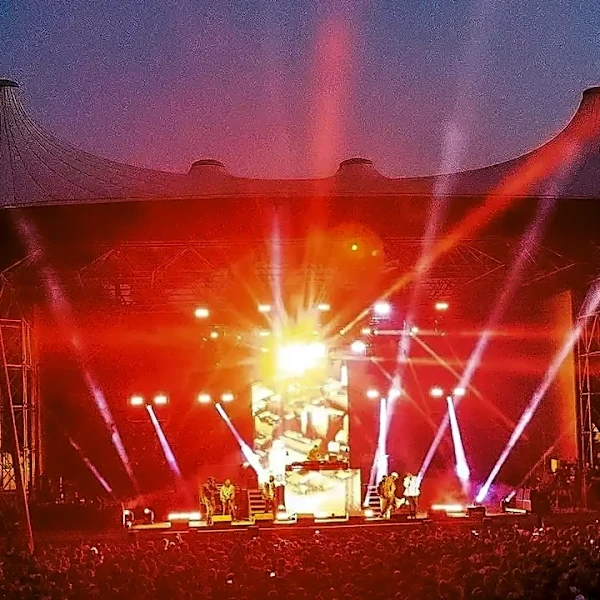
The most unforgiving force at any music festival is the schedule. On a major stage at ACL, the time between one artist finishing their set and the next one starting can be as little as 30 to 45 minutes. In that window, one crew has to clear all their gear offstage while another loads on, line-checks their instruments, and prepares to go live. This compressed timeframe leaves virtually no room for the kind of elaborate, pre-planned production that multiple costume changes require. An artist’s solo arena show is their world; they control the pacing and the space. At a festival, they are just one part of a much larger, faster-moving machine. The priority is hitting your start time, not executing a flawless transition from a catsuit to a ball gown. This ticking clock effectively forces artists to design a show that is both high-impact and low-maintenance.
When Nature Crashes the Show
Beyond logistics, there's the wild card that no production manager can control: the weather. With forecasts for the first weekend of ACL 2026 calling for significant rain, the entire landscape of Zilker Park is subject to change. Performers and their teams must plan for the worst. Delicate fabrics, expensive footwear, and intricate outfits don’t stand a chance against ankle-deep mud, sudden downpours, or the sweltering Texas humidity that can follow. An artist might have a vision for a multi-layered, avant-garde look, but if it’s 90 degrees and humid, or if the stage is slick with rain, practicality takes over. Wardrobe choices become less about aesthetic fantasy and more about survival: what’s breathable, what won’t get ruined by the elements, and what can you actually move in? This is perhaps the most powerful force of all, compelling even the most fashion-forward performers to strip back their vision in favor of what’s possible.
The Rise of the 'One-Look' Set
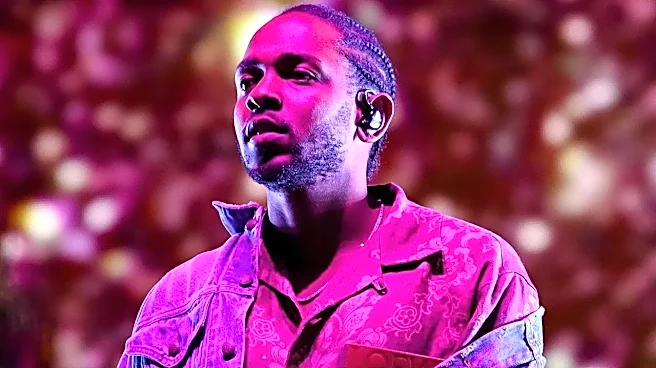
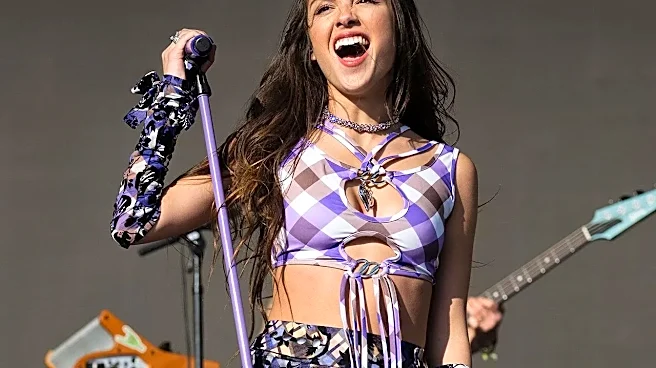
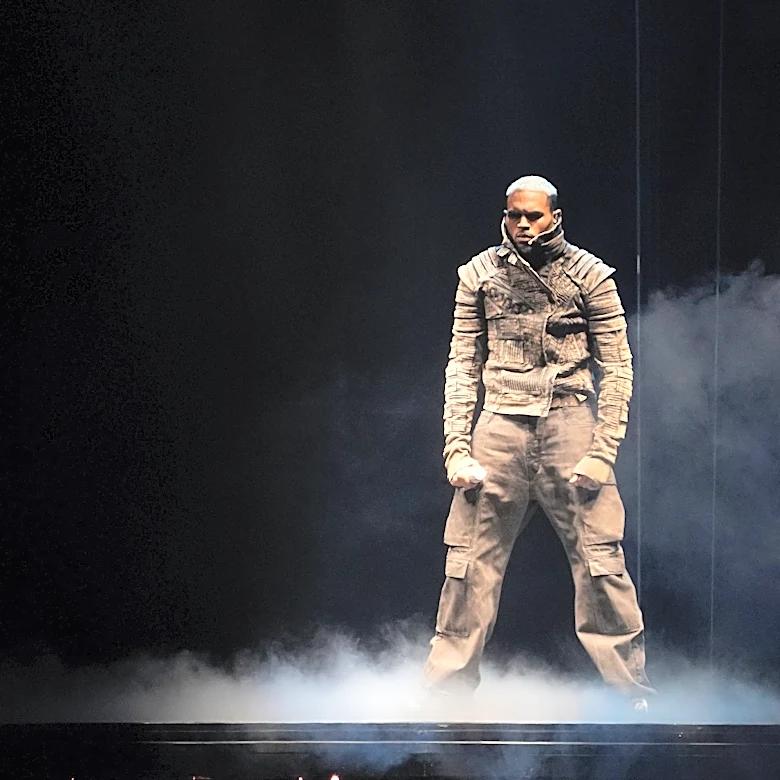
Faced with these constraints, many artists have mastered the art of the 'one-look' festival set. Instead of relying on changes, they invest in a single, iconic, and durable outfit designed to make a statement for the entire performance. This look has to be comfortable enough for an hour-plus of high-energy performing, resilient enough to withstand the elements, and visually striking enough to register with fans standing hundreds of yards away. For headliners known for their theatricality, like ACL's 2026 performers Lorde or Charli XCX, this presents a unique creative challenge. They must distill the essence of their elaborate arena tours into a single, festival-proof visual. This shift doesn't mean sacrificing style; rather, it prioritizes a different kind of artistry, one where a single, perfectly conceived look carries the entire visual narrative of the show.