




The Original Fear: Being Replaced
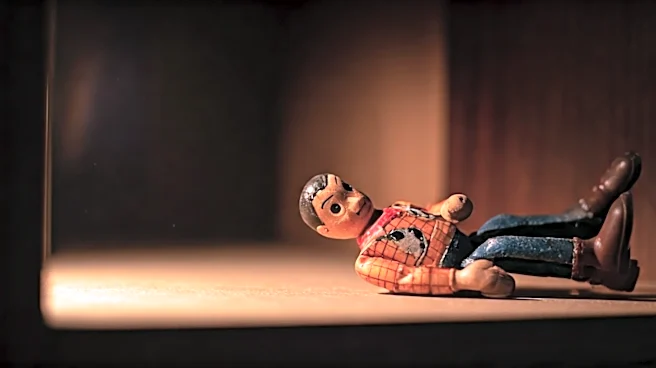
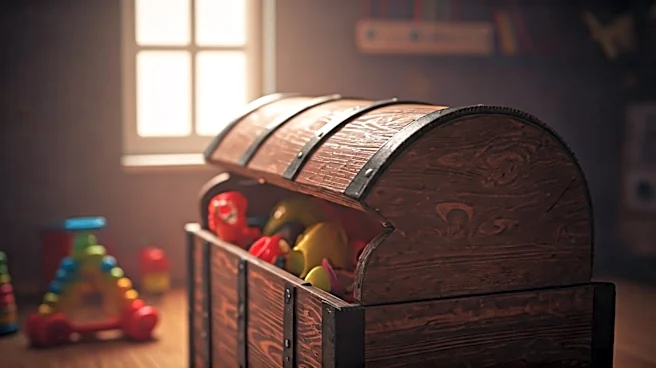
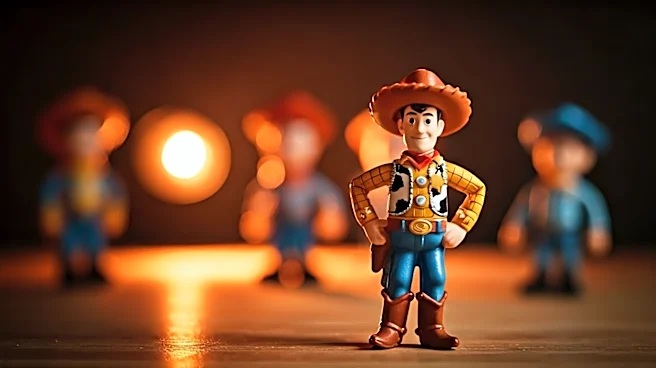
For four films, the central anxiety of Woody, Buzz, and the gang was simple and profound: the terror of being replaced. In the original, the threat was a shiny new space ranger. In the sequel, it was the allure of a pristine collector’s set in Japan.
The conflict was always about a zero-sum game for a child's affection. Andy had a favorite, and the hierarchy in the toy box was a direct reflection of that. This singular focus—being the chosen one—gave Woody his purpose, his neuroses, and the dramatic engine for the entire franchise. It was a perfect metaphor for childhood friendships, sibling rivalries, and the universal fear of losing your spot in someone’s heart.
The End of an Era in Toy Story 3 & 4
Toy Story 3 brilliantly escalated this fear to its natural conclusion: what happens when the child outgrows you entirely? The gut-wrenching furnace scene wasn't just about peril; it was about the toys facing obsolescence together. Andy passing his beloved friends to Bonnie wasn't a defeat, but a poignant transition—a new lease on life. Toy Story 4 then questioned the very nature of that life. Woody, no longer the favorite in Bonnie's room, faced an existential crisis. His purpose, once so clear, had vanished. The film’s solution was to give him a new one: a life as a “lost toy,” helping other toys find kids from a new home base at the carnival. It felt like an ending. It closed the book on the anxiety of ownership by letting Woody opt out of the game. But with Toy Story 5 confirmed, repeating this theme would be a mistake. There are no more kids for Woody to be passed to that could offer a novel emotional experience. The franchise has exhausted the idea of ownership.
The New Nemesis: The Algorithm
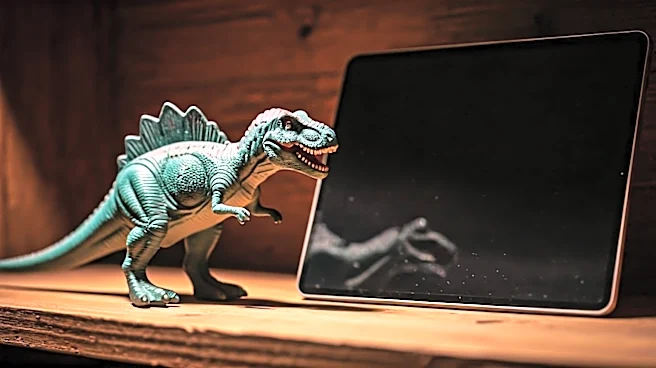
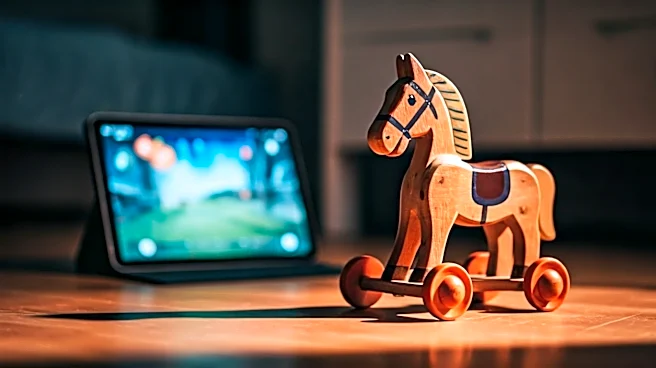
The single most dramatic shift in childhood over the last 15 years isn't that kids grow up. It’s that their attention has been completely rewired. Today, a toy’s biggest competitor isn't another toy; it’s a glowing screen. The real villain of Toy Story 5 shouldn't be a scheming bear or a mint-in-box collector. It should be an iPad. Imagine the emotional territory this opens up. Woody and Buzz aren’t fighting for the top spot in the toy box; they're fighting to be noticed at all. Their owner—let’s call her Maya—doesn’t have a favorite toy. She has a favorite YouTube channel, a go-to game on her tablet, and a TikTok feed that serves an endless stream of new obsessions. The enemy is no longer a physical rival, but an invisible, all-powerful algorithm dictating what’s cool for the next five minutes. How does a classic pull-string cowboy compete with a viral dance challenge? What’s a laser button compared to an infinite-scroll video feed?
A Toy's Purpose in an Age of Distraction
This new conflict would be a powerful, deeply modern emotional upgrade for the franchise. The toys’ new struggle is not just to be played with, but to foster genuine, imaginative play in a child conditioned for passive consumption. The drama would write itself. We could see toys trying to create an adventure compelling enough to pull Maya away from her screen. We could see the existential despair of a toy who is held for a selfie and then immediately discarded. What is a toy’s purpose in a world where children would rather watch videos of other kids unboxing toys than play with the ones they already own? This is the question that can make Toy Story 5 feel as revolutionary as the original. It would force our beloved characters to redefine their very existence. Their mission is no longer about preserving their spot in a child's heart, but about fighting to remind a child that they have one to give in the first place.