



Start with a Flawless Canvas
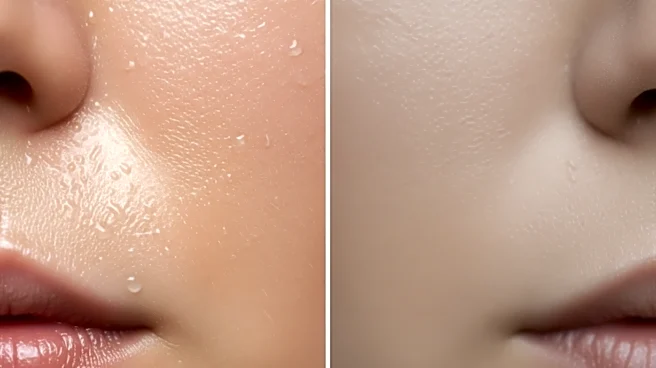
A glassy finish begins before you even touch the makeup. Oily or overly moisturized eyelids are the primary culprits behind a greasy metallic look. Start by ensuring your lids are clean and balanced. If you have oily lids, a quick pass with a blotting
paper can remove excess oil without dehydrating the skin. Then, apply a dedicated eyeshadow primer. This is non-negotiable. A good primer creates a smooth, grippy barrier that prevents the skin's natural oils from breaking down the makeup, ensuring the metallic pigments stay vibrant and in place without creasing. Let the primer set completely for a moment before moving on; this creates the perfect canvas for the layers to come. Avoid using concealer as a primer, which is often too emollient and can cause creasing.
Choose Formulas for a Modern Sheen
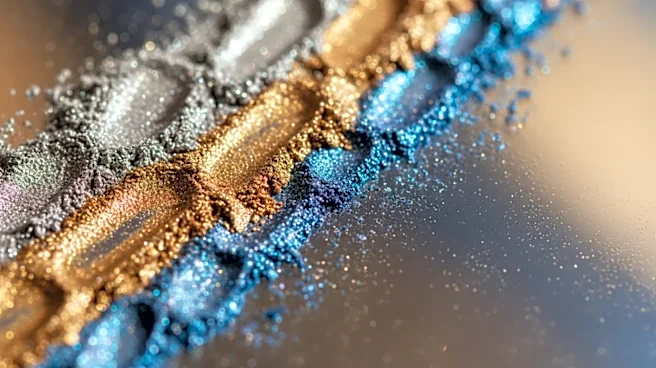
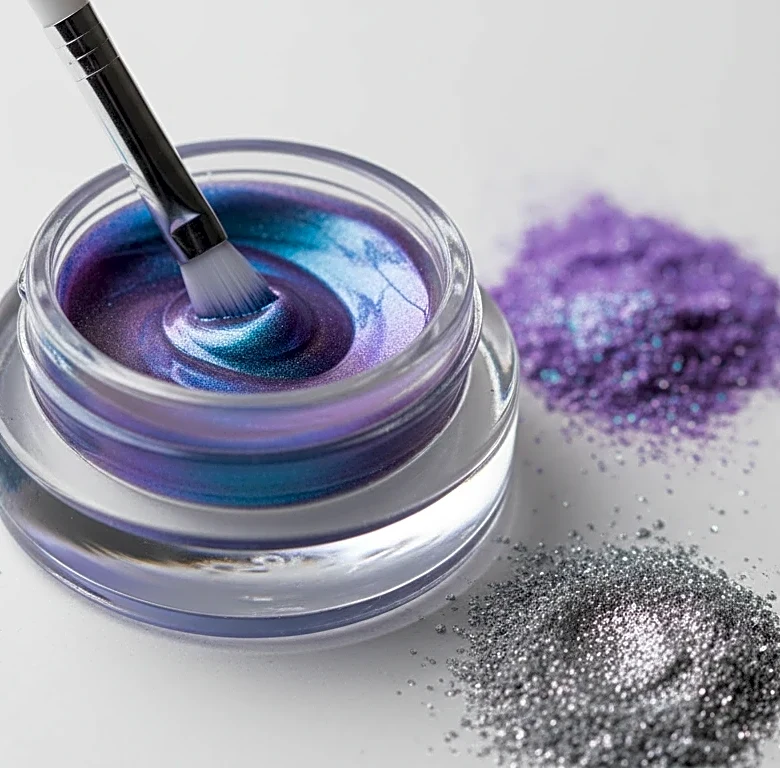
Not all metallics are created equal. The heavy, opaque formulas of the past are what often lead to a thick, greasy appearance. Modern metallic makeup comes in various forms—creams, liquids, and finely milled powders—that are designed for a more sophisticated, buildable finish. Cream and liquid eyeshadows are excellent for achieving a true “glassy” effect, as their emollient nature melts into the skin for a seamless, reflective sheen. These are often more forgiving and easier to blend for beginners. For maximum impact, look for products with highly reflective pigments rather than chunky glitter, which can create texture and look dated. A smooth, foil-like shine is the goal.
The Art of the Thin Layer
The core principle of modern metallic application is building thin, almost transparent layers. Whether you're using a cream or a powder, start with a minimal amount of product. Your fingertip is often the best tool for applying cream or liquid metallics; the warmth from your skin helps the product melt and adhere for an intense, smooth finish. Gently tap and press the color onto the lid, focusing on the center for a pop of light. For powders, use a flat, dense brush to pat the pigment on instead of sweeping it. This technique presses the metallic particles onto the lid, maximizing their reflective power and minimizing messy fallout. The first layer should be a sheer wash of shine, not an opaque coat of color.
Build Dimension, Not Bulk
Once your initial sheer layer is down, you can build dimension. This is where layering different textures comes into play. A popular makeup artist technique involves starting with a cream base and then strategically tapping a powder metallic on top. This creates a multi-dimensional effect that catches the light beautifully without adding weight or a greasy feel. Apply the powder just to the highest point of your eyelid to create a focal point of shine. You can also add depth by blending a matte eyeshadow in a complementary neutral shade into the crease. This not only defines the eye shape but also makes the metallic lid appear even brighter and more glassy by contrast.
Set for a Lasting Glassy Finish
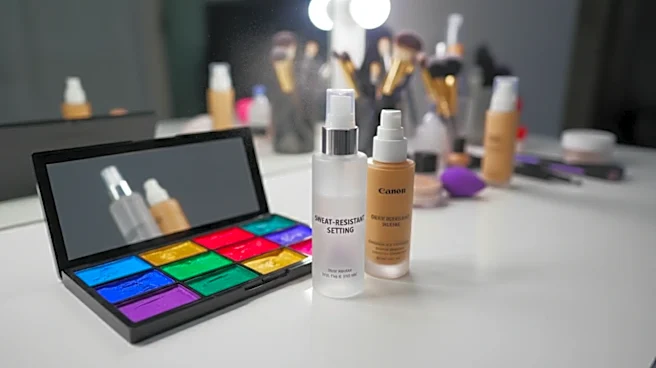
Locking in your work is crucial for maintaining that glassy look all day. However, traditional setting methods can backfire. Piling on a heavy translucent powder can instantly dull the metallic shine you worked so hard to create. Instead, if you have very oily lids, you can use a tiny amount of a very fine, lightweight setting powder just in the crease before you even start, but for the final step, a different approach is needed. The best way to set a glassy eye look is with a makeup setting spray. Hold the bottle at a distance and apply a fine mist. This will help meld all the layers together, enhancing the sheen and locking everything in place without adding a powdery texture. For a high-fashion, wet look, you can even apply a clear, non-sticky eye gloss over the top, but for everyday wear, a good setting spray is all you need.