





Beyond the Bizarre Name
First, let's get past the name. 'Slugging' is the practice of applying a thin layer of an occlusive product, most commonly petroleum jelly, as the final step in your evening skincare routine. The term comes from the glossy, slug-like sheen it leaves on your skin.
While the name might be a recent social media invention popularized by K-beauty enthusiasts, the practice itself isn't new. For decades, dermatologists have recommended occlusives to protect and heal the skin, and it has long been a staple in many Black communities for maintaining moisturized, healthy skin. The goal is to wake up with a complexion that looks and feels plump, hydrated, and dewy.
The Science of the Seal
Slugging works by creating a physical barrier on your skin. This barrier does two key things. First, it prevents what’s known as transepidermal water loss (TEWL), which is the natural evaporation of moisture from your skin overnight. Studies have shown that petroleum jelly is incredibly effective at this, reducing water loss by up to 99%. Second, it locks in the hydrating serums and moisturizers you applied beforehand, allowing them to penetrate more deeply and work more effectively without evaporating. It doesn't add moisture itself but acts as a powerful sealant to keep the hydration you have.
Your Step-by-Step Slugging Guide
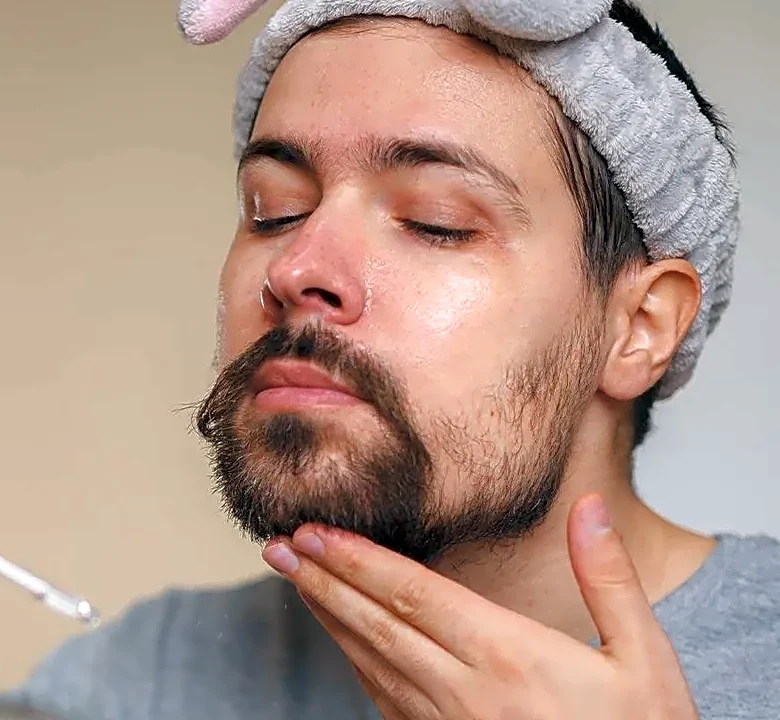
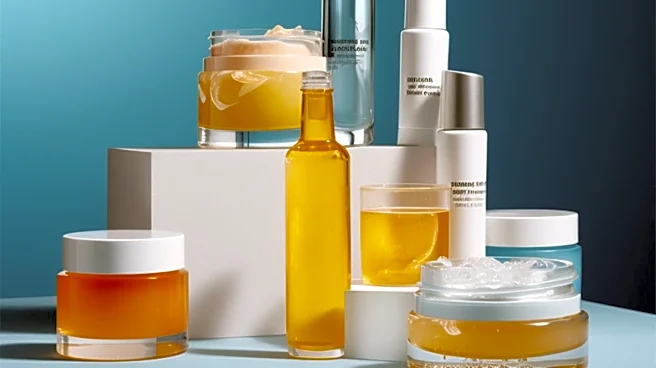
Applying the technique is straightforward. Start by thoroughly cleansing your face to remove any makeup, dirt, and oil. Proceed with your normal nighttime routine, applying any toners, hydrating serums (like those with hyaluronic acid), and a good moisturizer. After your moisturizer has had a moment to absorb, take a pea-sized amount of an occlusive like Vaseline, Aquaphor, or CeraVe Healing Ointment and spread a thin, even layer over your face. In the morning, simply wash your face with a gentle cleanser to remove any residue. A helpful tip is to tie your hair back and consider placing a towel over your pillowcase to avoid a mess.
Is Slugging for Everyone?
This is where a one-size-fits-all approach doesn't apply. Slugging is most beneficial for those with dry, dehydrated, or sensitive skin, as it helps repair a compromised skin barrier. However, dermatologists advise caution for those with oily or acne-prone skin. While petroleum jelly itself is non-comedogenic (meaning it won't clog pores), the occlusive barrier can trap oil, dead skin cells, and bacteria, potentially worsening breakouts. It's also critical to avoid slugging over potent active ingredients like retinoids or exfoliating acids (AHAs/BHAs), as trapping them can increase their strength and lead to irritation.
An Antidote to Over-Trending
So why has this simple method endured while countless other trends have faded? Its staying power comes from its simplicity, affordability, and effectiveness. In an industry saturated with expensive gadgets and complex formulas, slugging is a return to a fundamental principle: protecting the skin barrier. It doesn't promise a miracle cure but offers a reliable way to boost hydration and support skin health using an inexpensive, widely available product. It serves as a reminder that sometimes the most effective solutions are the ones that have been trusted for generations, long before they had a viral hashtag.