






Lesson 1: The Audience Is Now a Character
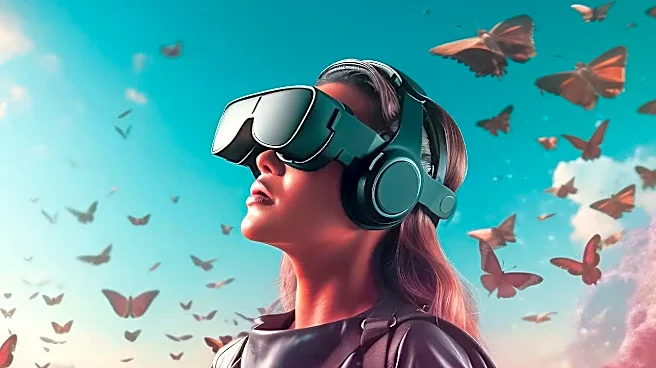
Traditional film operates on a principle of passive spectatorship: the audience watches a story unfold. Immersive creators, however, design for 'audience agency'. In a VR experience, the viewer isn't just watching; they are an active participant whose
choices, movements, and even gaze can influence the narrative. This transforms storytelling from a monologue into a dialogue. For a traditional filmmaker, this doesn't mean you need to build a branching narrative. It's about thinking how to create a more profound sense of personal connection and emotional investment, making the viewer feel like the story is happening to them, not just in front of them.
Lesson 2: World-Building Becomes the Narrative Engine
In cinema, production design creates the backdrop. In immersive storytelling, the world is the story. Creators at Venice Immersive don't just build sets; they construct entire ecosystems that the audience can explore, where every object and environmental detail can hold a piece of the narrative. This concept, often called 'environmental storytelling', allows the plot to be discovered rather than merely presented. A filmmaker can adopt this mindset by treating their film's world with the same narrative weight as their protagonist's dialogue. Think of how a detailed apartment, where every book on the shelf tells a story, can do more character development than a page of exposition.
Lesson 3: From Composing a Frame to Designing Attention
A director's job is often defined by what they put inside the rectangular frame. VR throws that frame away, creating a 360-degree canvas. This presents a new challenge: how do you guide the viewer's eye when they can look anywhere? Immersive creators have become experts in 'attention management', using sound design, lighting cues, and character movement to subtly direct the audience’s focus without heavy-handed cuts or camera moves. This skill is directly transferable to traditional film. By thinking less about forcing the audience to see something and more about inviting them to look, a director can create a more organic and engrossing viewing experience.
Lesson 4: Emotion Through Embodied Presence
The true power of VR isn't just seeing a story, but feeling physically present within it. This 'embodied presence' creates a shortcut to empathy and emotional connection that is unique to the medium. When you are standing on a virtual cliff, your body reacts, even though your brain knows it's not real. Immersive creators harness this to make their stories resonate on a visceral level. For filmmakers, this is a reminder of the power of sensory filmmaking. How can sound design make an audience feel the rumble in their chest? How can a specific camera movement simulate the feeling of falling or flying? It's about using the tools of cinema to create a physical, not just intellectual, response.
Lesson 5: Narrative Can Be Fluid, Not Just Linear
Many immersive experiences featured at events like Venice Immersive are moving beyond the classic three-act structure. They experiment with non-linear, cyclical, or layered narratives that the audience pieces together. Projects at the festival often feature multiple perspectives or interactive elements that allow for personalized story paths. While Hollywood isn't about to abandon its foundational structures, this experimental approach is a powerful creative prompt. It encourages writers and directors to question conventional pacing and explore new ways to reveal information, build suspense, and deliver a payoff, potentially making their stories less predictable and more rewatchable.