






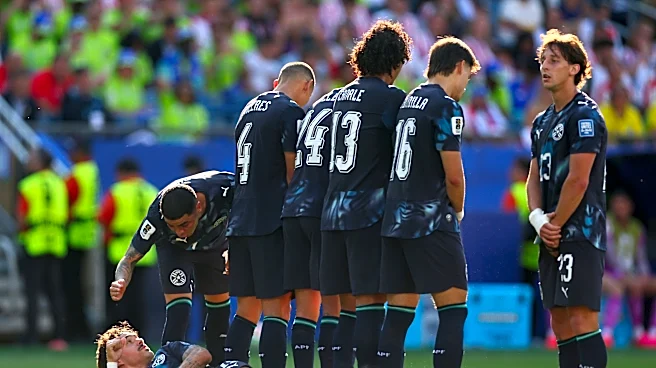


They Build a Fortress, Not a Playground
The first step is radical acceptance. A top manager looks at a slow defense or a striker who can't hit the broad side of a barn and doesn't wish for better players. Instead, they design a system to make those flaws irrelevant. This is the art of pragmatism,
famously practiced by managers like José Mourinho and Diego Simeone. The strategy, often criticized as "anti-football," involves abandoning the quest for beautiful, free-flowing play and focusing entirely on being brutally effective. A team with slow defenders won't press high up the field; they will retreat into a compact, low block, essentially building a fortress around their own goal. The idea is simple: shrink the battlefield. By staying organized and deep, they force superior opponents into crowded areas, frustrating them and baiting them into taking low-percentage shots from a distance. It may not be pretty, but it's a plan.
They Turn a Bug Into a Feature
Some managers take it a step further: they don't just compensate for a weakness, they weaponize it. Consider a team with no world-class striker. Instead of lamenting the lack of a goal machine, a smart coach can build a fluid, unpredictable attack where goals come from everywhere and nowhere. Midfielders, wingers, and even defenders are encouraged to make late runs into the box. This creates a chaotic, multi-pronged threat that can be harder for elite defenders to handle than a single, predictable superstar. Similarly, a team lacking technical wizards who can dominate possession might lean into a devastatingly quick counter-attacking style. The legendary 2015-16 Leicester City team that shocked the world to win the Premier League is a prime example; they often had less of the ball but were lethal the moment they won it back.
They Master the 'Dark Arts'
When you're outgunned, you control the terms of engagement. Underdog teams often become masters of game management, or what some call the "dark arts." This isn't just about cynical fouls; it's a calculated strategy to disrupt the rhythm of a more talented opponent. Players will slow the game down, take their time on set pieces, and use tactical fouls to break up counter-attacks before they can begin. The goal is to sow frustration and drain the opposition's momentum. The 2004 Greek national team, who won the European Championship against 150-to-1 odds, were experts at this. Coached by Otto Rehhagel, they were disciplined, defensive, and knew how to make a game a gritty, physical slog—a style of play their more-talented opponents hated. This approach neutralizes skill and turns the match into a battle of will.
They Specialize and Seize the Moment
If you can't be good at everything, be absolutely elite at one thing. For many underdog teams, that one thing is set pieces. A disproportionate amount of time in training is spent perfecting corners and free kicks, turning them into a primary source of goals. Greece's 2004 triumph was built on this; their goals in the quarterfinals, semifinals, and final all came from set pieces. It's a classic asymmetric strategy: you might not be able to create a chance in 90 minutes of open play, but if you can earn a few corners, you have a rehearsed, high-percentage opportunity to score. It’s about identifying the few moments in a game where the playing field is level and executing with ruthless efficiency.
They Create a 'Siege Mentality'
Finally, the strategy isn't just tactical; it's psychological. Great managers of underdog teams excel at building an "us against the world" mentality. They convince their players that their perceived weaknesses are, in fact, a source of strength—a collective identity forged in resilience. José Mourinho is a master of this, creating a cult of personality and intense loyalty. His 2010 Inter Milan team, which won the Champions League, was a perfect example of a side that played for their manager and for each other, with every player, including star striker Samuel Eto'o, buying into a demanding defensive role. This transforms a collection of limited players into a disciplined unit that believes it cannot be broken, which, on the day, is often more powerful than a team of superstars.