



Beyond the Beige Uniform
The reputation for Scandinavian minimalism isn't unfounded. It grew from design principles that prized function, simplicity, and quality craftsmanship. This translated into fashion as a wardrobe of durable, versatile, and often neutral-toned basics. Think
of it as an extension of 'hygge'—the Danish concept of cozy contentment—applied to clothing. The result was an effortlessly chic but restrained aesthetic. However, to see this as the complete picture today is to miss the story entirely. While those timeless foundation pieces remain, they now serve as a canvas for something far more expressive and eclectic. Modern Copenhagen style has enthusiastically moved beyond its minimalist roots.
An Expression of Joy and Defiance
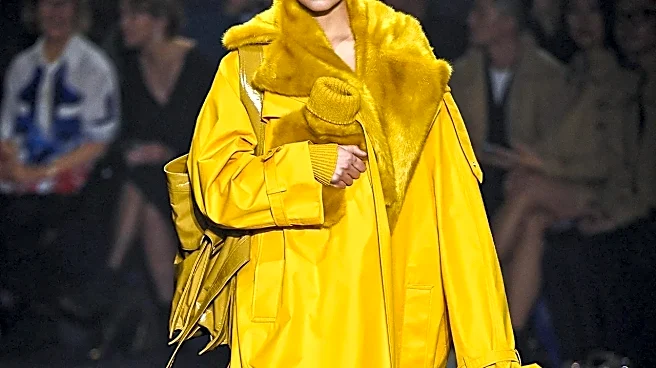
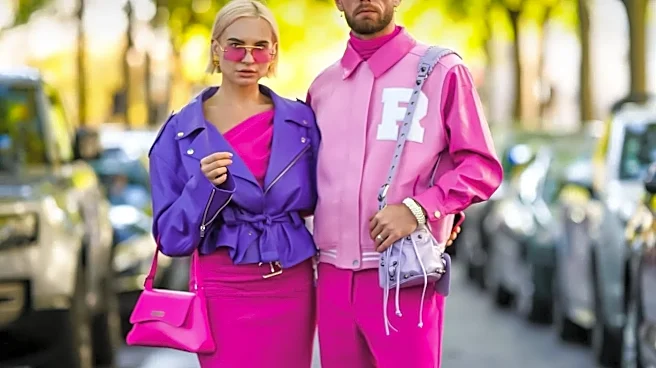
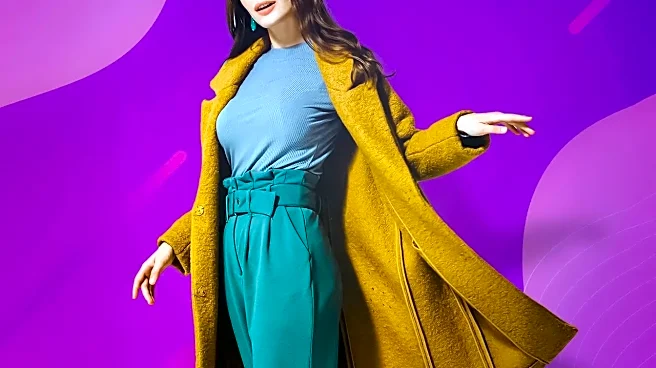
So, where did all the color come from? Part of the answer lies in the global trend of “dopamine dressing”—the idea of using bright, joyful clothing to boost your mood. But in Copenhagen, this runs deeper than a passing fad. It’s a form of expression. Against the backdrop of long, dark winters, vibrant hues are more than just pretty; they are an act of visual resistance. Style arbiters and locals alike mix fuchsia and tangerine, cobalt and chocolate brown, not just as a statement, but as a strategy for emotional self-regulation. It's a way of injecting energy and optimism into the everyday, proving that fashion can be a source of personal joy.
Led by a Vibrant Vanguard
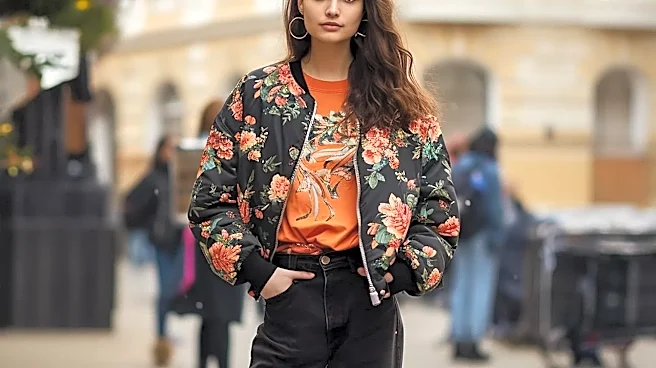
This color-forward movement was spearheaded by a new guard of Danish designers who rejected the minimalist mandate. Brands like Ganni and Stine Goya became international cult favorites by building their identities on playful prints, bold color stories, and contemporary, wearable silhouettes. Stine Goya, for instance, is known for its artistic, eye-catching prints and sculptural use of color. Ganni has mastered a certain “cool-girl” aesthetic that mixes bright hues and bold patterns with an effortless edge. These brands and others, like Rotate Birger Christensen, didn't just offer an alternative to neutral-toned dressing; they redefined Scandinavian fashion on the world stage, making vibrant individuality its new signature.
Where the Sidewalk Is the Real Catwalk
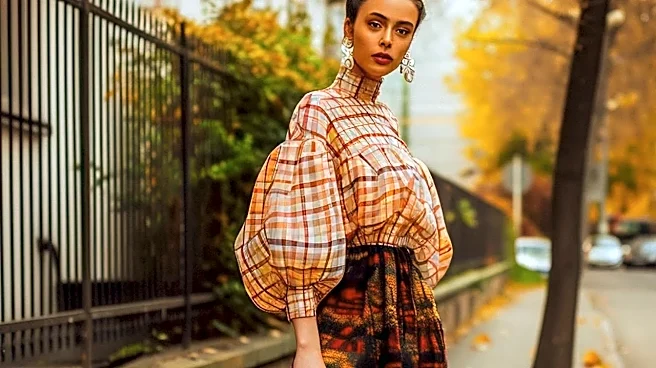
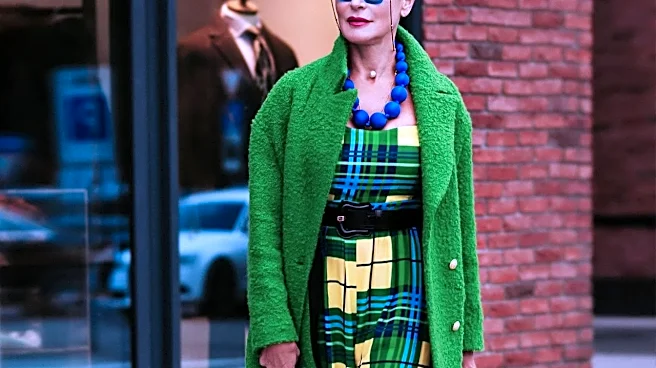
More than any runway, the streets of Copenhagen showcase the city's true style ethos. During Copenhagen Fashion Week, the outfits of attendees are as influential as the collections themselves. Here, you see the philosophy in action: a wildly printed dress paired with chunky sneakers, a neon knit layered under a practical trench coat, or tailored trousers brightened with colorful athletic shoes. This is where the paradox of Copenhagen style truly lives. It’s a masterful blend of practicality—dressing for a bike-friendly city with unpredictable weather—and exuberant playfulness. The look is never overworked; it’s about personal expression, comfort, and the confidence to clash patterns or wear a pop of unexpected color.
An Attitude, Not Just a Palette
Ultimately, the evolution of Copenhagen fashion is about more than just adding color. It’s about a broader attitude that embraces complexity and individuality. It’s seen in the eclectic layering of textures—a chunky wool sweater with sleek leather, or rough denim with soft cashmere. It's also reflected in the focus on sustainability, with many Danish brands championing responsible materials and quality pieces designed to be cherished. The style blends traditionally masculine and feminine elements, like oversized tailoring paired with delicate details, to create a look that feels modern and fluid. Copenhagen fashion teaches that you don’t have to choose between minimalism and maximalism, or between practicality and personality. You can have it all.