





1. The Sleeve Length and Armhole Conundrum
Before anything else, a good tailor addresses the arms. NBA players, particularly wing players, often have wingspans that are significantly longer than their height—think of a 6'6" player with a 7-foot wingspan. Standard off-the-rack jackets are designed
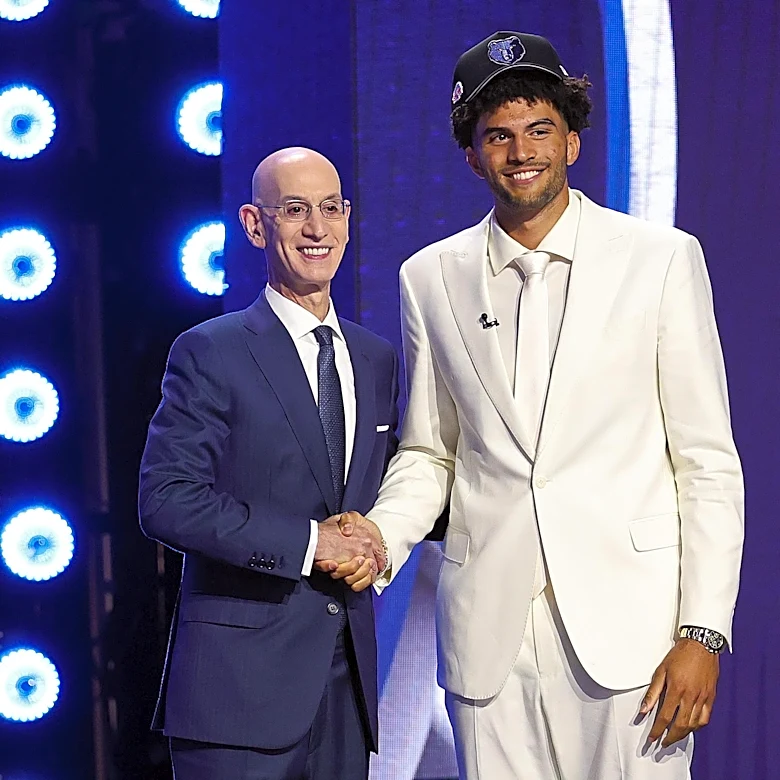
for proportional arms, meaning they’d end up looking like bracelets on a future lottery pick. The first move is to measure for and cut sleeves with enough length to break perfectly at the wrist, showing just a half-inch of shirt cuff. Equally important is the armhole, or armscye. For muscular, athletic builds, the armhole must be cut higher and shaped carefully. A low armhole, common in cheaper suits, restricts movement and causes the entire jacket to lift when the player raises his arm to shake the commissioner's hand—a classic amateur look the pros studiously avoid.
2. Correcting the Shoulder Slope
Years of dedicated training create a unique physique. Many basketball players have highly developed trapezius muscles and shoulders that can be both broad and sloped. A standard suit jacket has a defined, structured shoulder designed for the average office worker. Placing that on an elite athlete often creates an awkward gap between the neck and the jacket collar, making it look like the suit is floating. A master tailor’s first priority is to recut the shoulder line. This involves a complex process of opening the seams and reshaping the fabric to follow the natural slope of the client’s shoulders. The goal is a clean, uninterrupted line from the collar to the edge of the shoulder, ensuring the jacket drapes naturally rather than perching awkwardly on top of the frame.
3. Nailing the Jacket Length
Jacket length is a delicate balancing act, especially for men who are exceptionally tall. A jacket that’s too short can make a 6'10" player look like he’s wearing his little brother's clothes, throwing his proportions off entirely. A jacket that's too long can swallow his frame, making him look shorter and heavier than he is. The rule of thumb for tailors is to find the perfect point that visually cuts the body in half. For these athletes, that often means the jacket must be long enough to cover the seat, but not so long that it shortens the appearance of their long legs. This adjustment is less about a standard measurement and more about an artistic eye, ensuring the final silhouette is one of athletic elegance, not comical exaggeration.
4. Mastering the V-Shaped Torso
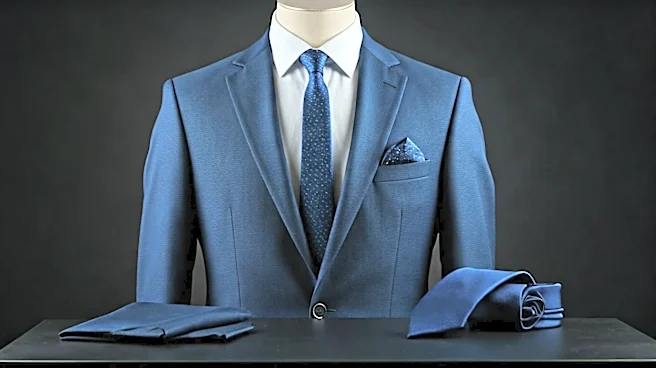
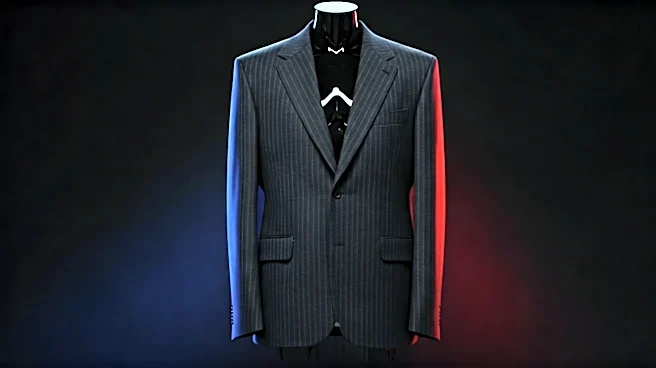
The classic athletic build is a sharp V-taper from the chest and back down to the waist. This is the hallmark of a pro athlete, but it’s a nightmare for standard suit patterns, which are cut much straighter. When a player with a 50-inch chest and a 34-inch waist puts on an off-the-rack jacket, it’s either uncomfortably tight in the chest or ridiculously baggy and boxy at the waist. Tailors immediately focus on shaping the jacket’s torso. They bring in the fabric significantly at the sides and back, a process called 'suppression.' This creates a defined waistline that accentuates the client's physique instead of hiding it. The button stance—the placement of the top button—is also critical. Setting it slightly higher draws the eye upward and emphasizes the powerful V-shape.
5. The Forgotten Frontier: The Trousers
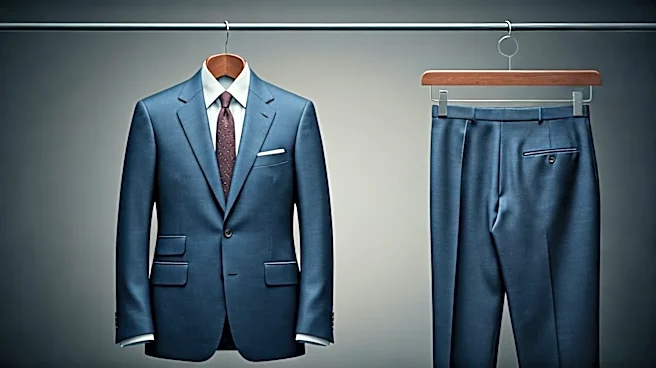
While the jacket gets most of the attention, ill-fitting trousers can ruin the entire look. Athletes have powerful glutes and quadriceps from years of jumping and sprinting, a combination that mass-market pants simply aren't built for. The first adjustment is often in the 'rise' (the distance from the crotch to the waistband) and the seat, ensuring there's enough room for comfort and movement without being baggy. From there, it's all about the taper. To avoid the 'tent' effect of wide-leg pants on a tall frame, tailors will dramatically slim the trousers from the knee down to the ankle. This creates a clean, modern line that elongates the leg and grounds the entire suit, preventing the player from looking like he's drowning in fabric.