





From Athletic Wear to Everyday Staple
The story of the American sweater begins not in a design studio, but on playing fields and in the military. The crewneck, for instance, was developed in the 1930s as a practical undergarment for football players, designed to absorb sweat and prevent shoulder
pad chafing. Its name comes from the round neckline originally seen on sweaters worn by boat rowers. Before it was a fashion item, it was pure function. Originally called a "jersey" or "gansey" and worn by European fishermen for centuries, the garment was adopted by American athletes in the 1890s and earned the name "sweater" for its ability to induce sweating. This transition from utilitarian gear to a wardrobe essential marked its first step into the mainstream, democratizing a garment once reserved for sport and labor.
The Uniform of Aspiration
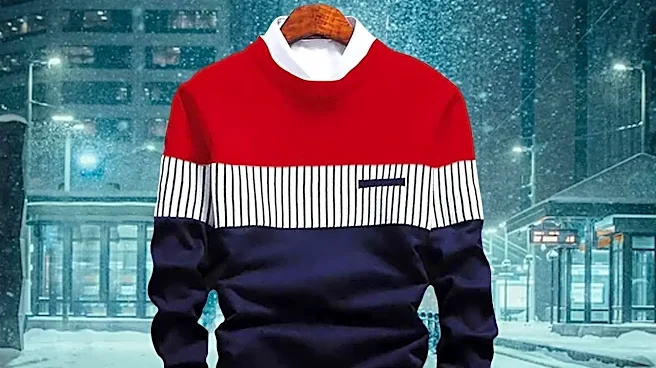
By the mid-20th century, the pullover had found its most influential home: the American college campus. Ivy League style, which gained widespread popularity in the 1950s and '60s, was built on a foundation of casual, prep-infused elegance. The pullover sweater—whether a crewneck, V-neck, or cardigan—was a core component, layered over Oxford shirts and paired with chinos. It projected an image of educated, easygoing refinement. No one embodied this better than President John F. Kennedy. Often photographed in a comfortable crewneck or his crimson Harvard sweater, JFK cemented the pullover's association with a new kind of American royalty: sophisticated but approachable, powerful but unstuffy. The sweater became a symbol not just of collegiate life, but of American aspiration itself.
Hollywood's Code for Cool
While the East Coast establishment was defining the sweater as preppy, Hollywood gave it a different kind of charisma. On screen, the pullover became a uniform for the quiet rebel and the man of understated confidence. Think of Steve McQueen, the "King of Cool," who frequently wore chunky shawl-collar cardigans or simple V-necks. His style wasn't about flashy suits; it was about a rugged, masculine ease that a simple knit garment could perfectly convey. Earlier, film stars of the 1940s and 50s had already transformed the sweater into an object of glamour, with the rise of the form-fitting "Sweater Girl" look popularized by actresses like Lana Turner. Whether signaling rebellion, romance, or relaxed confidence, the sweater allowed characters—and the actors who played them—to communicate volumes without saying a word.
The Modern American Wardrobe
Today, the pullover sweater's legacy endures, its quiet versatility making it more relevant than ever. It's the de facto uniform of Silicon Valley, where a quality cashmere crewneck signals a different kind of status, one that rejects the stuffiness of the old corporate world. It is the go-to for business casual, easily layered over a shirt for a look that is polished but not rigid. It can be dressed up or down, found in lightweight cashmere for year-round wear or thick wool for winter warmth. From Carolyn Bessette-Kennedy's minimalist black turtlenecks in the '90s to the enduring appeal of a simple grey sweatshirt, the pullover adapts. It remains a staple because it embodies a core tenet of American style: an appreciation for quality, comfort, and the power of looking good without looking like you tried too hard.