



Subtext: Saying Everything by Saying Nothing
Good dialogue has characters state their needs. Great dialogue makes you feel what they need without them ever saying it. This is the art of subtext, where the real conversation happens between the lines. Think of a scene where two characters are arguing
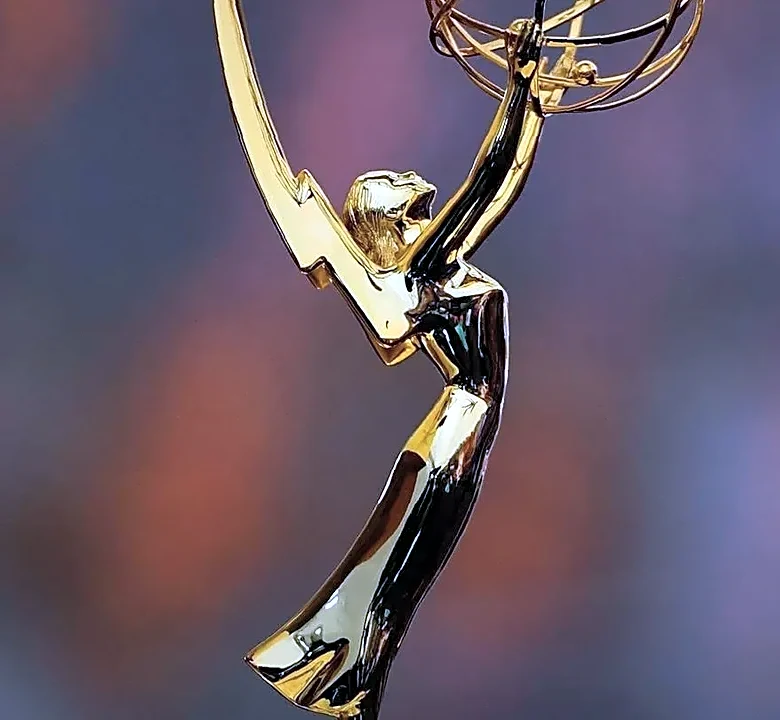
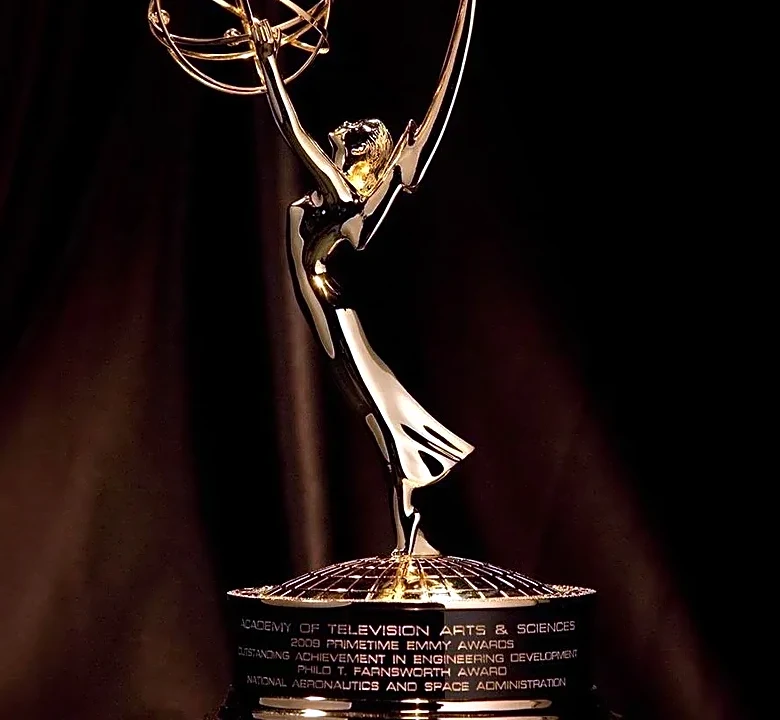
about what to have for dinner, but you know—from their history, their tone, the loaded pauses—they're actually fighting about their collapsing marriage. Emmy-level writers trust the audience to connect the dots. Instead of a character declaring, "I'm scared of this new job," they might obsessively organize their desk or ask a colleague a seemingly trivial question about the coffee maker. The dialogue dances around the core emotion, making its eventual revelation far more powerful.
Voice Fingerprints: Making Characters Unmistakable
In a well-written show, you could read a script with the character names removed and still know who is speaking. That's because each character has a unique “voice fingerprint.” This goes beyond just an accent or a catchphrase. It's about their rhythm, vocabulary, and worldview. Does one character speak in long, academic sentences while another uses clipped, cynical one-liners? Does someone constantly use sports metaphors, revealing a competitive nature? This year, critics have pointed to the distinct voices in Apple TV+'s comedy-horror hit 'Widow's Bay' as a prime example. The mayor’s folksy-yet-sinister pronouncements could never be mistaken for another character’s frantic, rapid-fire observations. This distinctiveness makes the world feel populated by real people, not just puppets for the writer.
Purposeful Rhythm: Using Pauses, Pace, and Interruptions
Real conversation is messy. People interrupt each other, talk over one another, and finish each other's sentences. While good dialogue cleans this up for clarity, great dialogue uses that messiness with surgical precision. Legendary writers like Aaron Sorkin are masters of this, using overlapping lines to show intellectual sparring or a shared intimacy. A well-placed em dash indicating an interruption can show a power shift in a relationship more effectively than a page of exposition. Short, staccato lines can build tension, while long, flowing sentences can create a sense of calm or reflection. Keeping dialogue to three lines or less per character often creates a compelling back-and-forth rhythm. It’s a musicality that operates just below the surface, directing the emotional flow of a scene.
Conflict in Every Exchange: No Small Talk Allowed
In award-winning television, there's no such thing as idle chit-chat. Every line serves a purpose, and that purpose is often to reveal, escalate, or navigate conflict. This doesn't mean characters are always yelling at each other. The conflict can be subtle: one character wants information, and the other wants to withhold it. One wants comfort, the other is incapable of giving it. Even a seemingly friendly conversation can be layered with competing goals. A quick fix for flat dialogue is to ensure every character in the scene has a clear, and often conflicting, objective. This is why you rarely see characters on shows like the final season of 'Hacks'—a heavy favorite at the 2026 Emmys—simply saying hello and goodbye. They jump into the meat of the scene, because every word is a move on the chessboard of the story.