




Clue 1: The 'Barrier Trio' Is Present
Your skin's outermost layer is held together by a lipid mixture that's roughly 50% ceramides, 25% cholesterol, and 15% free fatty acids. A compromised barrier—common after exposure to UV rays and sweat—is a sign that this mixture is depleted. The most effective
barrier creams don't just contain one of these ingredients; they contain all three. Look for products that list ceramides (like Ceramide NP), cholesterol, and fatty acids. Some studies suggest a 3:1:1 ratio of these ingredients is optimal for accelerating barrier repair. Think of it as restocking the complete toolkit your skin needs to rebuild its defenses.
Clue 2: Niacinamide Is in Its Sweet Spot
Niacinamide (Vitamin B3) is a superstar for calming redness, regulating oil, and strengthening the skin barrier by encouraging ceramide production. But more isn't always better. While many serums now boast 10% concentrations or higher, most clinical studies showing barrier benefits use concentrations between 2% and 5%. In this range, niacinamide effectively soothes and repairs without the risk of irritation or flushing that higher percentages can sometimes cause, especially on sensitized, post-sport skin.
Clue 3: Humectants Go Beyond Hyaluronic Acid
Hyaluronic acid is famous for attracting water, but it's not the only hero humectant. After sweating, your skin is dehydrated and needs moisture replenishment. Ingredients like glycerin, panthenol (pro-vitamin B5), and beta-glucan are powerful humectants that also have soothing properties. Panthenol is particularly great for calming irritation from friction or sun, while glycerin is a time-tested, effective hydrator that helps keep the skin's barrier functioning properly. A formula with a cocktail of these ingredients provides more comprehensive hydration.
Clue 4: It's Genuinely 'Fragrance-Free'
The terms "fragrance-free" and "unscented" are not the same. "Fragrance-free" means no fragrances have been added to the product. "Unscented" can mean that a masking fragrance has been added to cover up the chemical smell of the other ingredients. For skin that's already irritated and inflamed after a tennis match, added fragrances—including natural essential oils—can be a major trigger for further redness and sensitivity. Always choose "fragrance-free" to be safe.
Clue 5: The pH Is Slightly Acidic
Healthy skin has a naturally acidic pH of around 4.5 to 5.5. This "acid mantle" is crucial for keeping the skin barrier strong and fighting off harmful bacteria. Sweat can temporarily raise your skin's pH. Using a moisturizer formulated with a skin-friendly acidic pH helps bring your skin back to its optimal state, allowing the enzymes responsible for producing barrier lipids like ceramides to function properly. Look for products labeled as "pH-balanced" or those that specify they are formulated for skin's natural pH.
Clue 6: Soothing Superstars Make an Appearance
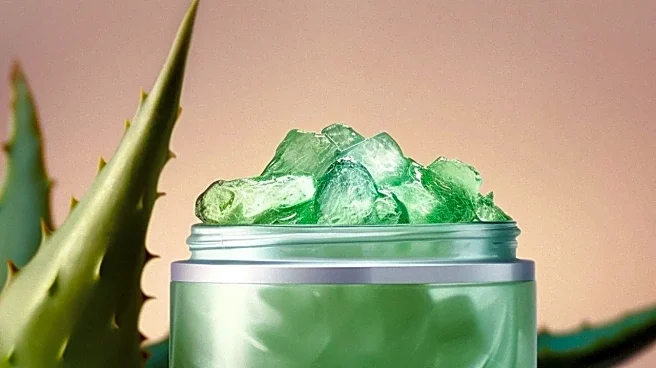
When your face is flushed post-match, you need ingredients that actively calm inflammation. Look for calming agents on the label. Centella Asiatica (often called "Cica" or Tiger Grass) and its active compounds like madecassoside are renowned for reducing redness and promoting healing. Other effective soothers include allantoin, bisabolol (derived from chamomile), aloe vera, and green tea extract. These ingredients help dial down the visible signs of irritation while your barrier gets back on track.
Clue 7: The INCI List Puts Actives First
Ingredients on a cosmetic label (known as the INCI list) are listed in descending order of concentration. The first five or six ingredients typically make up the bulk of the formula. If you see barrier-supporting heroes like ceramides, niacinamide, or panthenol listed high up on the list (after water/aqua), it's a good sign they are present in a meaningful concentration. If they are buried at the very end, after preservatives, their impact will likely be minimal.
Clue 8: It Mentions an Advanced Delivery System
Some of the best ingredients for barrier repair can be tricky to deliver effectively into the skin. Advanced formulations may use delivery systems like liposomes or encapsulated technology. Liposomes are tiny vesicles that can encapsulate active ingredients, helping them to penetrate the skin's surface more efficiently and remain stable. This technology can make ingredients like fragile antioxidants or peptides more effective, ensuring they get to where they need to go to support skin recovery.
Clue 9: It Avoids Simple Drying Alcohols
Not all alcohols in skincare are bad. Fatty alcohols like cetearyl alcohol or cetyl alcohol are emollients that help soften skin. However, simple alcohols like alcohol denat (denatured alcohol) or isopropyl alcohol can be very drying and irritating, especially for a barrier that's already stressed. When your skin is trying to recover, stripping its natural oils is the last thing you want. Check the ingredient list to ensure these types of drying alcohols are not present, particularly near the top.