
1. The Fabric's First Touch
The first and most important test is how the material feels. A superior fine-gauge polo is typically made from premium long-staple cottons like Sea Island or Pima, or fine animal fibers like merino wool.
These materials feel exceptionally soft and smooth against the skin, not thin or flimsy. Cheaper shirts often use lower-grade cottons that feel rougher and break down faster. A quality knit should feel reassuring in its weight and consistency.
2. Fully Fashioned Construction
This is a term you’ll see with high-end knitwear, and it matters. Fully fashioned polos are knitted to shape, meaning each panel—front, back, sleeves—is created with its own pattern and then linked together. The alternative is "cut and sew," where pieces are cut from a large sheet of fabric and stitched together like a T-shirt. Fully fashioned garments have cleaner seams, a better fit, and superior shape retention, making them a hallmark of quality.
3. A Collar That Holds Its Shape
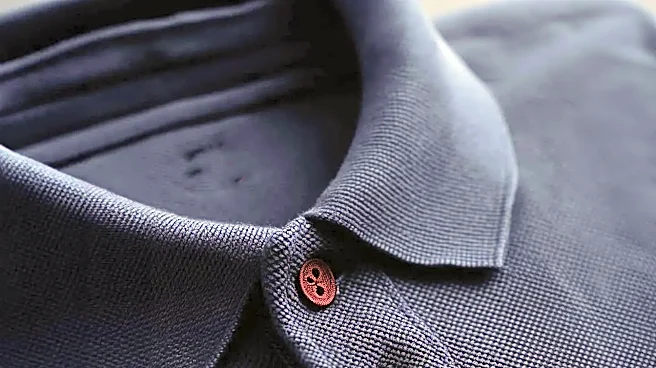
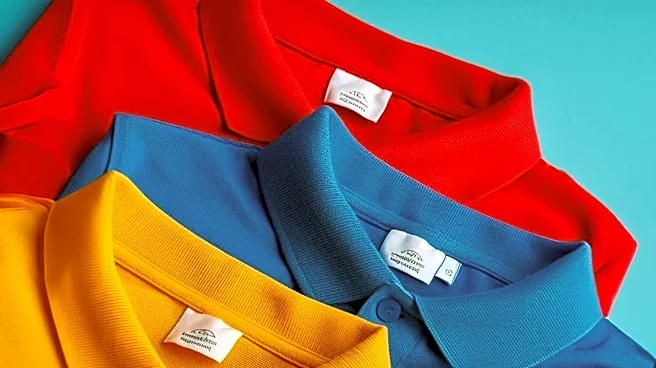
A droopy, curling collar is a dead giveaway of a cheaply made polo. A well-constructed collar should have enough structure to stand up neatly on its own without feeling stiff. On the best knit polos, the collar is often knitted as an integrated part of the body, which helps it maintain a crisp appearance wash after wash. It should frame your face, not collapse into a shapeless mess by lunchtime.
4. Lustrous Mother-of-Pearl Buttons
Take a close look at the buttons. Plastic is the standard on mass-market shirts, but premium polos often use mother-of-pearl. These buttons, cut from mollusk shells, have a natural iridescence and depth that plastic can't replicate. They are also cooler to the touch and more durable. While faux pearl has gotten better, a tap against your tooth can reveal the truth: real shell makes a sharper, glass-like sound compared to the dull thud of plastic.
5. A Clean, Structured Placket
The placket—the strip of fabric where the buttons and buttonholes are located—should be clean and substantial. On a quality polo, it will lie perfectly flat without buckling or twisting. It’s often reinforced with an extra layer of fabric or interlining to give it structure and durability, ensuring it doesn’t pucker over time. This small detail makes a huge difference in how polished the shirt looks when worn.
6. The Tension of the Knit
A "fine-gauge" knit refers to the tightness and density of the stitches. On a superior polo, the knit will be smooth, tight, and consistent across the entire garment, with a subtle sheen. Run your hand over the surface; it should feel smooth, not fuzzy. Poor-quality knits might have loose loops, snags, or an uneven texture, which suggests the fabric will be prone to pilling and losing its shape.
7. Resilient Ribbed Cuffs and Hem
Whether short-sleeved or long, the cuffs and hem are critical fit points. On a better polo, the ribbed knitting on these areas will have excellent tension and recovery. This means they will gently hug your arm or waist without being restrictive, and they'll snap back into shape after being stretched. On lesser shirts, these ribs are often loose and lose their elasticity quickly, leading to a sloppy, stretched-out look.
8. Thoughtful Seam Work
Check the seams, particularly at the shoulder and sides. On a well-made, fully fashioned knit, the seams will be remarkably flat and clean, almost invisible. The shoulder seam should sit squarely on your shoulder point, indicating a better pattern and a more tailored fit. Messy, bulky, or wavy seams are signs of a rushed cut-and-sew process that compromises both comfort and appearance.
9. Reinforced Side Vents
A small but significant detail often found on higher-quality polos is a neatly finished side vent or slit at the bottom hem. This isn't just for show; it allows for greater freedom of movement and helps the polo drape cleanly over the hips, whether tucked in or left out. It’s a functional element borrowed from classic sportswear that signals a more thoughtful construction.
10. Color Depth and Saturation
Premium yarns like merino wool and Sea Island cotton accept dye exceptionally well, resulting in colors that are deep, rich, and even. Hold the shirt up to the light. The color should be consistent without any faint streaks or blotches. While this is harder to spot, a polo with a truly vibrant and saturated hue often starts with a better base material.
11. Minimalist Branding
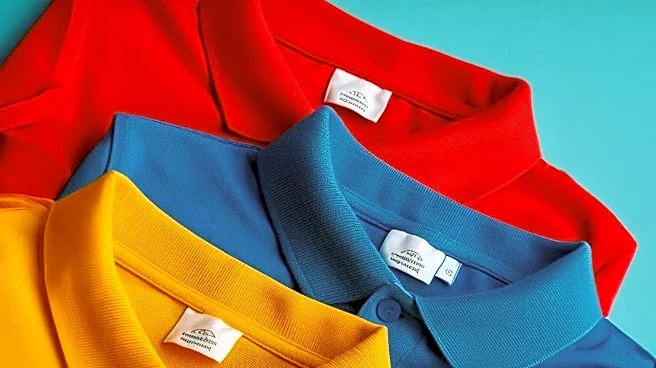
Often, the most luxurious polos let the quality of the garment do the talking. While a small, embroidered logo is a classic feature, many high-end manufacturers opt for very discreet branding or none at all. The focus is on the beautiful fabric, perfect fit, and impeccable construction, not a prominent logo. It’s a quiet confidence that values craftsmanship over advertising.
12. The Overall Drape and Fit
Ultimately, all these elements combine to create a polo that hangs and fits beautifully. A superior knit polo drapes cleanly and conforms to the shape of your body without clinging. It should provide structure across the shoulders and chest while moving with you. A poorly made knit, by contrast, can look shapeless or lumpy. When you try it on, a quality polo simply feels right.