










Satin: The Luminous Classic
First, a crucial distinction: satin is a type of weave, not a type of material. It’s created by floating several warp threads over a single weft thread, which results in its famous smooth, glossy surface. While traditionally made from silk, today you’ll
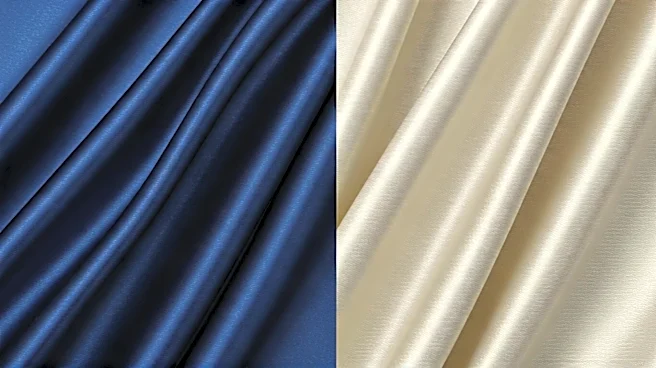
find satin made from polyester, rayon, and other blends, which affects its price, breathability, and feel. What defines satin is its visual effect: a liquid-like luminescence that catches the light beautifully and drapes with a fluid, body-skimming quality. Think of the iconic bias-cut gowns of Old Hollywood or the slinky slip dresses of the '90s. Satin reads as romantic, glamorous, and sensual. Its high shine makes colors appear exceptionally rich and deep, from jewel tones to classic ivory.
Mikado: The Architectural Marvel
Mikado, on the other hand, is a specific type of fabric, not just a weave. It’s a luxurious, heavier-weight silk (or a high-quality synthetic blend) that originated in Japan—its name is an archaic term for the Emperor of Japan. Unlike the fluidity of satin, Mikado is known for its structure and body. It has a crisp hand-feel and a subtle, pearlescent sheen rather than a high-gloss shine. Its weight and stiffness allow it to be molded into architectural shapes, sharp pleats, and voluminous silhouettes without requiring layers of crinoline. It stands away from the body, creating dramatic, clean lines. This makes it a favorite for modern bridal gowns and structured formal dresses that feel both regal and contemporary.
The Visual: Fluid Shine vs. Sculptural Sheen
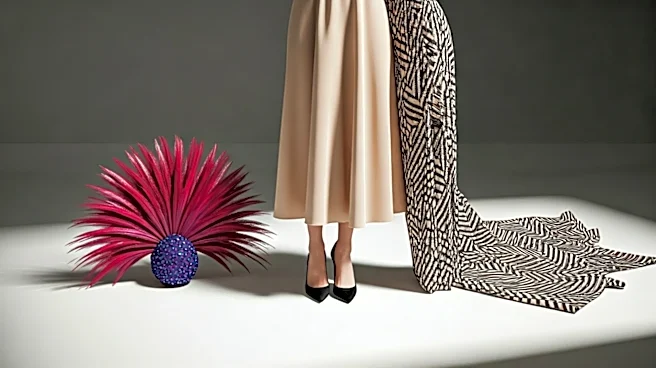
The primary difference you’ll notice on the rack is the silhouette. A satin dress will hang with a liquid grace, pooling elegantly at the floor and highlighting the wearer’s curves. It’s the perfect choice for a soft, romantic, or sensual look. Its high shine is its main event, creating a dramatic, light-catching effect. A Mikado dress, by contrast, is all about shape. It might feature a sharp A-line skirt, a dramatic bow that holds its form perfectly, or a cleanly folded neckline. The look is powerful, polished, and sculptural. Its subtle luster gives it a sophisticated glow that looks expensive and refined, but it won't reflect light in the same high-impact way as satin.
The Practicality: Wrinkles and Weather
Beyond aesthetics, practical considerations are key for a long day at an event. Satin, particularly silk satin, is notoriously prone to wrinkling and water spots. A single drop of rain can leave a mark, and sitting can create creases, so it requires careful handling. It’s also lighter weight, which can be a blessing on a hot day, but a clingy liability in high humidity. Mikado is the more forgiving choice. Its heavier, stiffer nature makes it highly resistant to wrinkles. You can sit, stand, and celebrate with far less fear of looking rumpled by the end of the day. While heavier, its ability to stand away from the body can actually allow for more air circulation than a satin dress that clings to the skin, making it surprisingly comfortable in various temperatures.
The Verdict: How to Choose
There is no “better” fabric—only the right fabric for your desired look and comfort level. Choose satin if: You want a romantic, glamorous, or sensual silhouette. You love a high-shine finish that makes a statement. Your style leans towards fluid lines and body-conscious drapes. You are prepared to be mindful of wrinkles and water spots. Choose Mikado if: You want a structured, architectural, and modern look. You prefer a subtle, sophisticated sheen over high gloss. You value a crisp silhouette and clean lines. You want a low-maintenance, wrinkle-resistant fabric that looks polished all day.