





The Millennial Model: Earnest and All-In
For nearly two decades, reality TV ran on a currency of millennial sincerity. From the tearful rose ceremonies of ‘The Bachelor’ to the dramatic weigh-ins on ‘The Biggest Loser,’ the formula was clear: contestants had to believe in the process. Viewers,
primarily Gen X and millennials themselves, were conditioned to invest in journeys of self-discovery, love, or transformation. The appeal was rooted in earnest confessionals and the belief that what you were seeing, while produced, was emotionally authentic. Shows like 'America's Next Top Model' or 'The Hills' worked because their casts, and by extension their audience, were willing to buy into the drama, treating the manufactured stakes with genuine gravity. This sincerity, even when it veered into what some now call “cringe,” was the engine of reality storytelling.
Enter Gen Z: The Performance of Not Caring
Then came Gen Z. Raised on the internet, fluent in memes, and hyper-aware of the mechanics of online performance, this generation approaches reality TV with a protective layer of irony. For many Gen Z viewers and contestants, being too earnest is a risk; sincerity can be screenshot, mocked, and turned into a meme. The cool move isn't to believe in the show's premise, but to comment on it from a detached, self-aware distance. This generation's humor is often built on meta-irony and absurdism, where the true meaning is deliberately obscured. It's a coping mechanism for a life lived under constant digital surveillance. As a result, when they appear on reality shows, their participation often feels like a performance of a different kind: they are not just on a show, they are in on the joke that it is a show.
The Producer's Nightmare: Editing for Two Realities
This tonal split creates a massive headache for producers. How do you cast and edit a show for an audience that is fundamentally divided? If you cast sincere, emotionally available millennials, you risk alienating younger viewers who see their earnestness as naive or inauthentic. If you cast a group of detached, ironic Gen Z participants, older audiences may struggle to find anyone to root for, seeing them as unserious or unlikable. The conflict plays out in the edit bay, where producers are essentially making two versions of a show. They need the emotionally grounded narrative arc for the traditional broadcast, but they also need the quippy, meme-able moments of detached commentary that will go viral on TikTok and Instagram. The result can be a show that feels tonally disjointed, struggling to satisfy either demographic completely.
Fractured Audiences and Hybrid Experiments
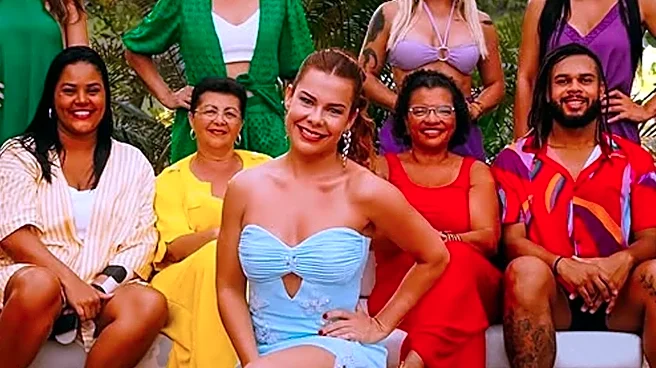
In 2026, the industry is scrambling to find a solution. Some shows are leaning into the chaos, creating hybrid formats that mix cast members from different generations, hoping the resulting friction creates its own form of entertainment. Others are niche-ifying, targeting one demographic specifically and abandoning the idea of a four-quadrant hit. The challenge is particularly acute for legacy cable networks trying to attract a younger audience without losing their core viewership. They are increasingly adopting hybrid models, creating content designed for both traditional TV and digital platforms, and even collaborating with creators who already have a built-in Gen Z following. The savviest producers understand they are no longer creating a single piece of media, but an entire ecosystem of content designed to be consumed in different ways by different people.