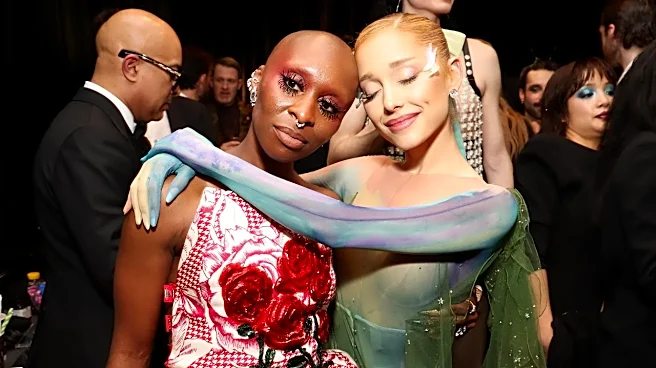





For decades, Glinda the Good Witch was a symbol of uncomplicated goodness, floating in a bubble of pink perfection. But with the arrival of 'Wicked: For Good', Ariana Grande’s portrayal shatters that simple image for something far more interesting.
More Than Bubbles and Curls
Let’s
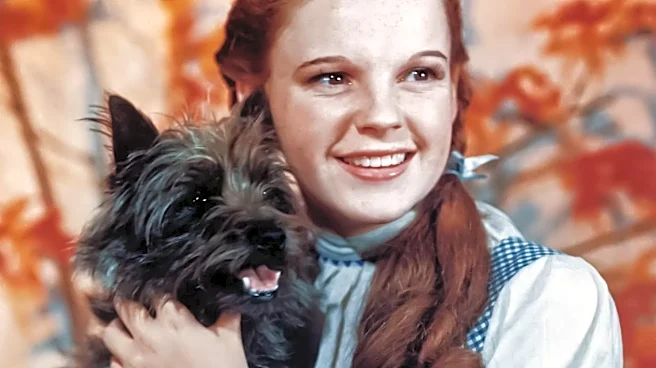
be honest: the Glinda most of us grew up with was less a character and more a sparkly plot device. In 1939's 'The Wizard of Oz', she is the beautiful, ethereal counterpoint to the Wicked Witch’s menace, a figure of pure benevolence. The Broadway musical 'Wicked' began the vital work of giving her dimension, showing us the ambitious, insecure, and popularity-obsessed 'Galinda' who evolves into the public figure of Glinda the Good. The stage show brilliantly satirized her obsession with status in the song 'Popular' while revealing the insecurity underneath. It established that her 'goodness' wasn't innate but a series of complicated, sometimes morally ambiguous choices. She was a political operator as much as a magical being, a woman whose friendship with the outcast Elphaba forces her to confront her own privilege and values.
An Ambitious Witch for an Ambitious Era
Enter Ariana Grande, an artist whose own career is a masterclass in navigating public perception and immense popularity. Director Jon M. Chu has noted how Grande had to earn the role, stripping away her pop-star persona to find the character's vulnerability. This new interpretation leans into Glinda's ambition not as a character flaw, but as a driving force. Reviews suggest the film adds new layers to her backstory, exploring how a desire to be 'liked' was instilled in her from a young age. This Glinda isn't just seeking social status; she's grappling with the tension between her public image and her private conscience. Her journey becomes a commentary on the cost of being a beloved public figure, where every choice is scrutinized and personal integrity is often at odds with popular opinion. Her ultimate rise to power isn't a simple fairytale ending but a heavy assumption of responsibility, earned through loss and painful self-awareness.
The 'For Good' Friendship
The film's title, 'For Good,' directly references the heart-wrenching duet where Glinda and Elphaba acknowledge how their unlikely friendship has permanently changed them. This isn't just a story about rivalry; it’s one of the most compelling female friendships in modern pop culture. The movie reportedly deepens this dynamic, showing how Glinda’s initial resistance to Elphaba stems from a fear of the person who will irrevocably change her life. Her choices—sometimes selfish, sometimes brave—directly impact Elphaba's journey toward becoming the 'Wicked Witch of the West'. It's in her relationship with Elphaba that Glinda’s complexity shines. She is at once an enabler of the powers that vilify her friend and the only one who truly knows her goodness. This portrayal moves past a simple good-vs-evil narrative, suggesting both women are a mix of 'good and wicked', shaped by the decisions they make every day.
A Flawed Heroine We Can Believe In
Ultimately, the power of this new Glinda is her relatability. She is no longer an untouchable ideal. She’s a woman who makes mistakes, prioritizes her own comfort, and struggles with inaction before finally stepping up. Critics note that the film's emotional weight rests on the deeply felt performances of Grande and Cynthia Erivo, whose connection makes their eventual fracture all the more meaningful. This version of Glinda reflects a modern appetite for flawed heroines—characters whose goodness is a journey, not a destination. She represents the pragmatist to Elphaba’s idealist, learning that true leadership requires not just charm, but accountability. By the end, she isn't just 'Glinda the Good' because of a title bestowed upon her; she earns it by choosing to carry on Elphaba’s legacy and try to put things right, even if it means living with the ghosts of her past choices.