


The Latin music world is bigger and more diverse than ever, but that growth often creates generational divides. The 27th Annual Latin Grammy Awards, however, feels different. This year, the ceremony is uniquely positioned to bridge that gap.
A Ballot That Bridges Decades
This year’s
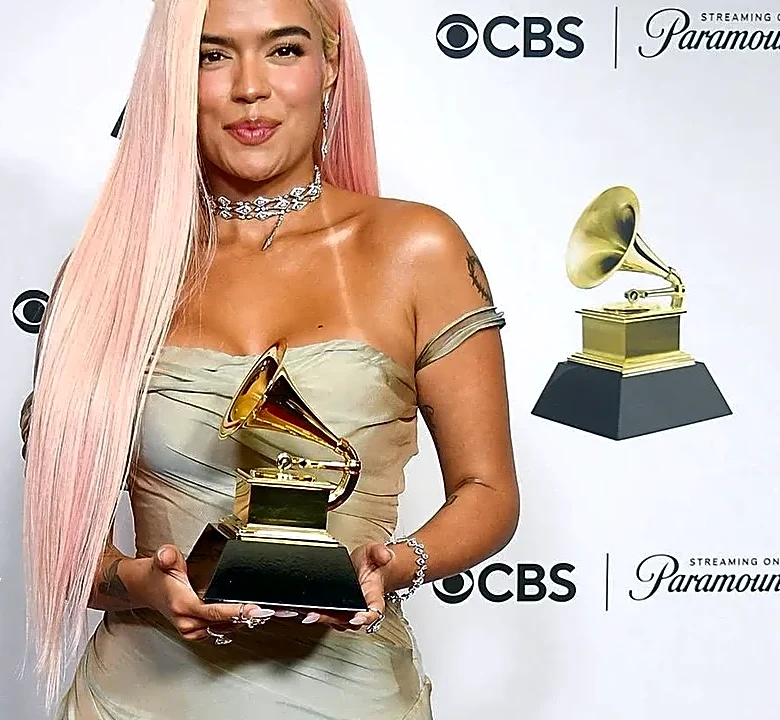
nominations list, announced in September, reads like a perfectly curated playlist blending the past, present, and future of Latin music. While producer Edgar Barrera leads with an impressive ten nominations, the major categories feature a fascinating mix of artists. For Album of the Year, established superstars like Anitta ('EQUILIBRIVM'), Jorge Drexler ('Taracá'), and Karol G ('Tropicoqueta') are competing alongside rising Argentine artists CA7RIEL & Paco Amoroso and the young Milo J. This isn't just about legacy acts versus newcomers; it's about putting their work on equal footing. Even the Record of the Year category places Karol G's collaboration with the legendary Marco Antonio Solís against a track from emerging singer-songwriter Silvana Estrada. The Latin Recording Academy appears to be making a deliberate statement: great music transcends age and genre. This is further supported by the diverse list of 11 nominees for Best New Artist, a category CEO Manuel Abud calls one of his favorites for its role in nurturing new talent.
The Stage as a Meeting Ground
Awards are one thing, but the live broadcast on November 12 from Las Vegas is where this theme of unity will truly come to life. The Latin Recording Academy has already announced a performance lineup that is a testament to cross-generational appeal. Viewers will see titans like Daddy Yankee and Juanes share the spotlight with contemporary giants like Rosalía, Carín León, and Anitta. But the most telling programming is the planned tribute to the late Mexican singer-songwriter José Alfredo Jiménez on the 100th anniversary of his birth. The segment, produced by top nominee Edgar Barrera, will feature a mix of artists reinterpreting the classics of the 'King of Ranchero Music'. This is exactly the kind of 'Grammy moment' that can create a powerful cultural connection, introducing a foundational artist to millions of younger fans while honoring his legacy. It’s a move that actively uses the broadcast's massive platform to connect the dots between generations.
An Intentional Vision from the Top
The potential for a unifying broadcast isn't accidental; it’s a reflection of a clear vision from The Latin Recording Academy itself. Long before the nominations, the Academy named Daddy Yankee the 2026 Person of the Year. As a pioneer who took reggaetón from the underground to global domination, he is the perfect embodiment of bridging worlds and a key influence on nearly every current urban artist. In his own words, the honor is for the “generation that believed in our music when no one else understood it.” Additionally, the Special Awards ceremony will honor a diverse group of icons with Lifetime Achievement Awards, including Lila Downs, Daniela Mercury, and Chichí Peralta. Manuel Abud, CEO of the Academy, described these honorees as an “exceptional group whose influence transcends generations and genres.” This focus on legacy, combined with a nominations list that embraces the new, shows an institution actively working to tell the complete story of Latin music.
Reflecting a Changing Industry
The Grammys are not happening in a vacuum. The Latin music industry itself is more interconnected than ever. Genre lines are blurring as artists freely mix regional Mexican sounds with reggaetón, pop, and electronic music. Collaborations are no longer just one-off events but a core strategy for artists both new and old, creating a fluid ecosystem where fans are exposed to a wider range of music. Streaming has accelerated this trend, with playlists often ignoring the rigid genre separations of old radio formats. A Gen Z listener might discover a classic track from the 90s through a TikTok trend one moment and stream a brand new artist the next. In this environment, an awards show that celebrates both ends of the spectrum and everything in between isn't just a nice idea—it's an accurate reflection of how Latin music is consumed in 2026.