


The Ultimate Awards Season Launchpad
Timing is everything in the film industry, and Venice’s late August/early September slot is the undisputed starting pistol for awards season. A premiere at Cannes in May can be too early to maintain buzz all the way to the Oscars, while later festivals
risk getting lost in the noise. Venice hits the sweet spot. It has become a kingmaker, launching films that go on to dominate the Academy Awards. Recent history is littered with examples: “Joker,” “Nomadland,” “The Shape of Water,” and “Poor Things” all began their triumphant march to Oscar glory on the Lido. For a director with a potential masterpiece, premiering in Venice signals a clear intention: this is a serious contender. The concentrated global press attention ensures that the film immediately enters the awards conversation, a strategic advantage no established filmmaker can ignore.
A Sanctuary for Auteur Cinema
Founded in 1932, the Venice Film Festival is the oldest in the world, and it has cultivated a deep-rooted identity as a haven for auteur cinema. Unlike some festivals that balance art with heavy commercial considerations, Venice has always prioritized filmmaking as an art form. This focus makes it an ideal venue for established directors who want their work to be seen and debated as a piece of art first and a commercial product second. The festival has a storied history of launching groundbreaking cinematic movements, from Italian Neorealism to the French New Wave. For a filmmaker like Martin McDonagh, who returned in 2026 with "Wild Horse Nine" after premiering past hits there, or Werner Herzog, the festival offers a platform where challenging, visionary work is expected and celebrated. Winning the top prize, the Golden Lion, places a director in the company of legends like Akira Kurosawa and Luis Buñuel, an honor that transcends box office numbers.
The Power of Curated Prestige
While the nearly contemporaneous Toronto International Film Festival (TIFF) is a sprawling market with hundreds of films, Venice is defined by its curated exclusivity. The main competition features a small, handpicked selection of films—usually around 21. This smaller slate, personally shaped by long-standing artistic director Alberto Barbera, means every film gets a moment in the spotlight. There’s no danger of a quiet, artistic film being drowned out by a dozen other major premieres on the same day. This intimate scale creates a sense of occasion and importance. Directors premiering new work, like Danny Boyle with 2026's opening film "Ink" or Florian Zeller with "Bunker," benefit from this focused attention. Simply being selected for the Venice competition is a mark of distinction, a signal to the industry that this is a film that matters.
The Irresistible Allure of La Serenissima
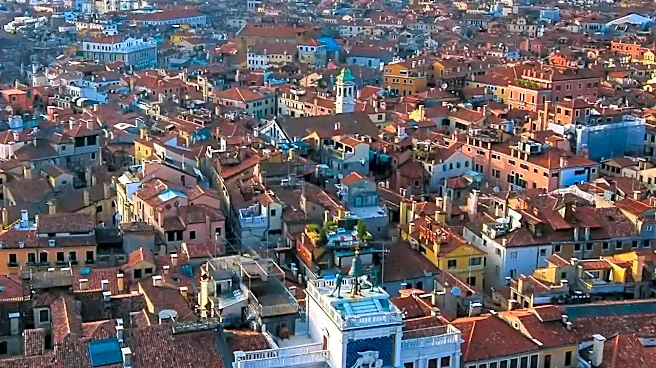
Finally, you cannot discount the sheer magic of the location. Arriving at a red carpet premiere via a classic wooden water taxi creates iconic, instantly marketable imagery that no black limousine can match. The backdrop of Venice—a city of canals, history, and romance—lends an unparalleled level of glamour and sophistication to the event. It feels less like an industry trade show and more like a grand cultural gathering. This unique combination of high art, historical prestige, strategic timing, and breathtaking beauty makes the festival an experience. For filmmakers who have spent years pouring their soul into a project, launching it in a place that feels as cinematic as the work itself is a powerful draw. It's a celebration of film in a city that feels like a living, breathing movie set.