



Making Scale Feel Earned
The biggest trick in visual effects isn't just creating something massive; it's making the audience *feel* its size. House of the Dragon understands that true scale is achieved through contrast and anticipation. For most of the first season, dragons like
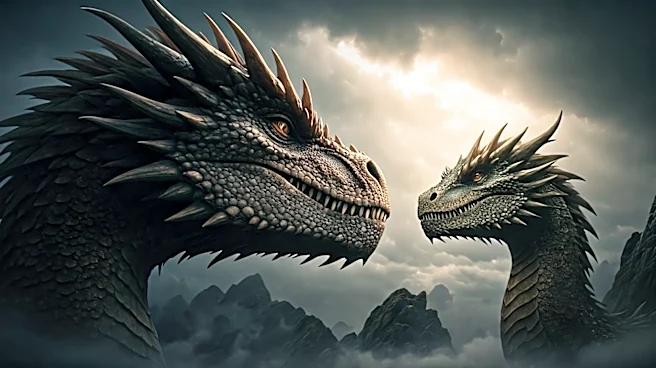
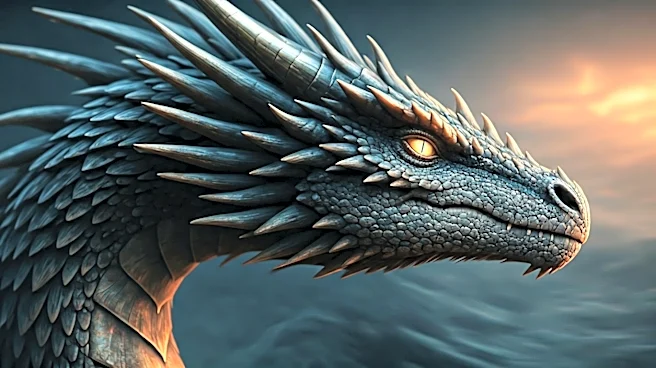
Syrax and Caraxes are presented as formidable but manageable beasts of burden and war. We see them up close, being saddled and commanded. They are, for the Targaryens, a known quantity. Then comes Vhagar. The show masterfully builds her legend through hushed conversations and fearful glances long before we see her in her full, terrifying glory. When Laena Velaryon approaches the colossal dragon, she’s a tiny speck against a craggy, moving mountain. The show doesn't just give us a wide shot; it frames Vhagar's immensity against the familiar scale of a human. Later, in the storm above Shipbreaker Bay, we don’t just see a big dragon—we see a creature so vast it blots out the sky, its shadow dwarfing another dragon we previously considered huge. By holding back, the show makes Vhagar’s reveal an event, transforming her from a CGI asset into a genuine force of nature.
CGI for Character, Not Just Chaos
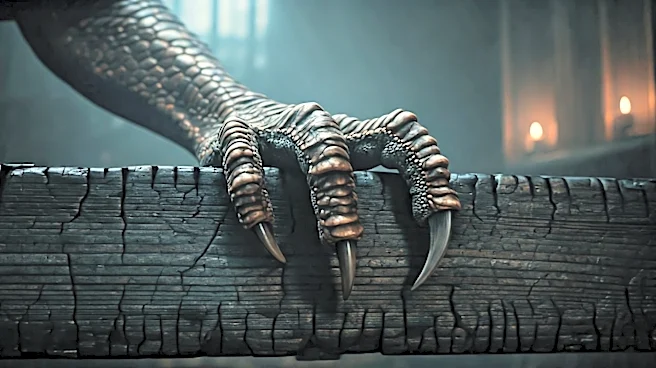
In many fantasy epics, giant creatures are little more than weapons platforms. They exist to roar, breathe fire, and look cool in a fight. House of the Dragon’s VFX team, however, uses CGI to build character and deepen relationships. The most effective dragon moments are often the quietest. Consider the subtle, intricate animations that define each dragon's personality and its bond with its rider. We see the soft, almost feline way Syrax nudges Rhaenyra’s hand, reinforcing their lifelong connection. We see the nervous energy of Arrax as he shies away from Vhagar's intimidating presence. These aren’t just monsters; they are characters with interior lives. The animators imbue them with subtle tics, hesitant movements, and expressive eyes that communicate fear, loyalty, and anger. This nuanced approach ensures that when the dragons are finally unleashed in battle, the stakes are emotional, not just visual. We aren't watching two digital assets collide; we're watching the extension of a character's will and fear, and the potential loss of a beloved companion.
Tension in the Unseen
Alfred Hitchcock famously argued that suspense is more powerful than shock. House of the Dragon applies this principle to its digital creations. The roar of a dragon from beyond a foggy shoreline, the shadow passing over a castle courtyard, the trembling of the ground—these moments of restraint build a palpable sense of dread and power that a full-frame shot of a dragon often can’t match. The confrontation between Aemond and Lucerys is a masterclass in this philosophy. The tension begins not with a blast of fire, but with the claustrophobic fear of being trapped in a hall with a boy who commands the world’s largest living weapon. The subsequent chase through the storm is terrifying precisely because of its visual obscurity. The dragons are silhouettes against roiling clouds, their forms momentarily illuminated by lightning. This isn't a clean, well-lit video game cutscene; it’s a chaotic, disorienting nightmare. By obscuring the action, the show forces us to experience the terror and confusion alongside Lucerys, making the final, shocking moment of impact all the more devastating.
Learning the Right Lessons from Game of Thrones
As its predecessor, Game of Thrones, grew in budget and scope, the dragons evolved from tactical assets to near-invincible superweapons. While visually stunning, some later-season battles felt more like repetitive bombing runs than tactical engagements. The sense of vulnerability and awe that defined Drogon, Rhaegal, and Viserion in the early seasons was sometimes lost in the sheer scale of the destruction. House of the Dragon seems to have consciously course-corrected. It re-establishes that while dragons are the ultimate power in Westeros, they are not simple tools. They are living, breathing animals with their own instincts and fears. The show reminds us that riding a dragon is a perilous, near-spiritual act. This thoughtful recalibration makes the world feel more grounded and the stakes feel higher. It’s a return to form, proving that the most memorable spectacle is the one that serves the story, not the other way around.