

The Tyranny of the Front
So much of how we experience clothing is dictated by what we see in the mirror. Design convention follows suit. The front of a garment carries the logos, the most intricate details, and the features meant to draw the eye. It's the part of the clothing that
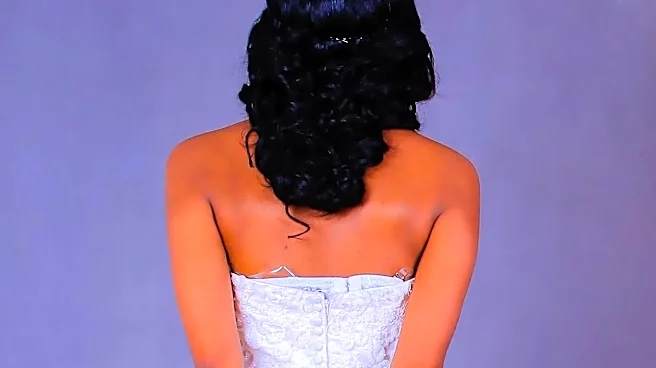
introduces us. Traditional pattern-making often prioritizes a flattering frontal view, with seams and darts engineered to create a specific shape when viewed head-on. This approach makes perfect sense in a world dominated by face-to-face interaction and the forward-facing selfie. For decades, the back was often an afterthought—a place for a simple zipper, a plain expanse of fabric, or, in formalwear, a dramatic but often separate statement like a train. It existed to close the garment, not to start the conversation.
An Architectural Shift in Thinking
To build a garment from the back forward is to reject the mirror as the primary tool of creation. Instead, the designer anchors their process on the part of the body that dictates posture and movement: the spine. The back becomes the architectural foundation. This approach treats the body as a three-dimensional form in motion, not a static, two-dimensional image. Designers who favor this method, like the legendary Yohji Yamamoto, are often more interested in how a garment behaves as the wearer walks away than how it looks on approach. The focus shifts from pure presentation to a deeper consideration of silhouette, volume, and the unexpected shapes created as fabric drapes and moves around the body's structure. It becomes less about crafting an image and more about engineering an object that interacts with a human form.
The View From Behind
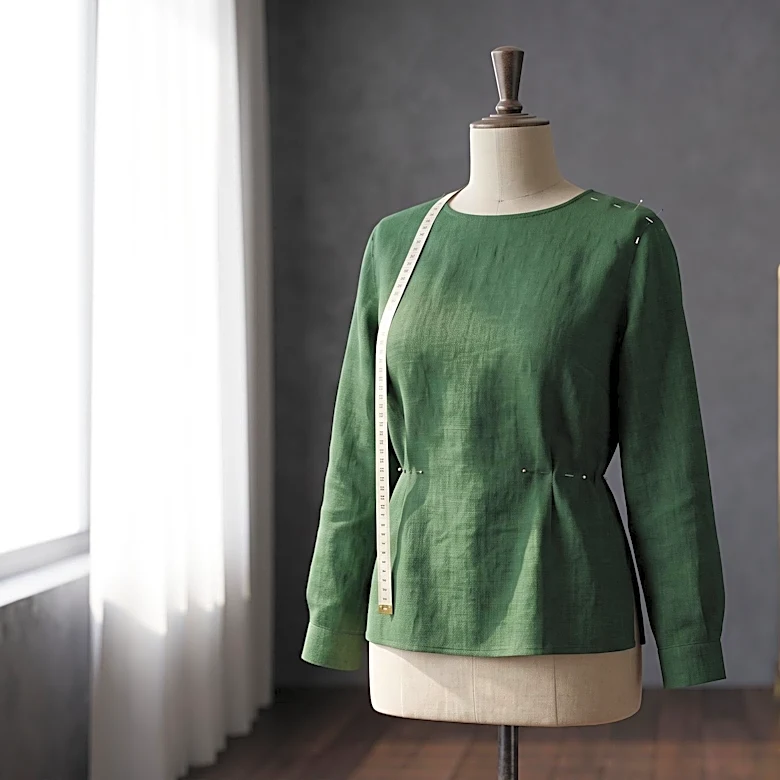
When a garment originates from the back, construction details that are usually hidden become central to the design. Seams might curve in unexpected ways, wrapping from the shoulder blades toward the front to create a unique tension. Closures, instead of being a simple vertical line of buttons, might become asymmetrical or integrated into a complex fold. Some designers, like Rei Kawakubo of Comme des Garçons, have used this philosophy to create avant-garde shapes that challenge conventional notions of a 'flattering' fit, using lumps, bumps, and exaggerated volumes that are anchored from the rear. The process often involves more draping on a dress form, allowing the fabric's weight and properties to guide the shape organically from the back, rather than forcing it to conform to a pre-drawn frontal sketch. This can lead to garments with a more sculptural or fluid quality, where the front is a consequence of the back's design, not the other way around.
The Surprising Aesthetic Payoff
So, what do these clothes actually look like? Often, they feel more considered and complete from every angle. A jacket might feature a complex series of pleats on the back that allows for greater arm movement, with those pleats resolving into a clean, simple front. A dress might have its entire structure hanging from a high, sharp shoulder line at the back, creating a cascade of fabric that feels both dramatic and effortless. This method can create a sense of mystery and discovery. The initial impression is only part of the story; the full narrative is revealed as the wearer turns and moves. It encourages a 360-degree appreciation of the garment, rewarding those who look beyond the obvious. The clothing becomes a record of its own making, where the structure is the style. In a world of fast fashion and fleeting trends, this focus on thoughtful construction offers a quieter, more enduring form of expression.