








Beyond Just Filling Rooms
The most basic assumption about a World Cup or a Copa América is that hotels make a killing simply by being there. An influx of hundreds of thousands, if not millions, of fans, media, and officials guarantees 100% occupancy at premium rates. While that’s
true, it’s also just the tip of the iceberg. For hotel chains and savvy local players, a soccer cup isn’t a passive windfall; it’s a strategic opportunity to become a core part of the event's infrastructure. The real money and influence come from active participation, not just from hanging a "No Vacancy" sign on the door. This involves years of planning, significant investment, and integrating their operations directly with the tournament organizers, turning lodging into a high-stakes, high-reward business venture.
The Official Partnership Game
Long before the first fan checks in, a select group of hotels are designated as official partners. FIFA, for example, doesn't leave lodging for its teams, VIPS, referees, and broadcast partners to chance. They block-book thousands of rooms at designated hotels, creating a secure, controlled, and logistically sound environment. For a hotel, landing one of these contracts is a massive win. It guarantees a huge chunk of revenue regardless of public booking trends and elevates the hotel’s prestige. These official hotels become de facto headquarters for national teams, complete with special security, customized nutritional programs from the kitchens, and private training and meeting facilities. In essence, they temporarily cease to be public hotels and become exclusive compounds, a service for which tournament organizers pay a handsome price.
Command Centers and Fan Hubs
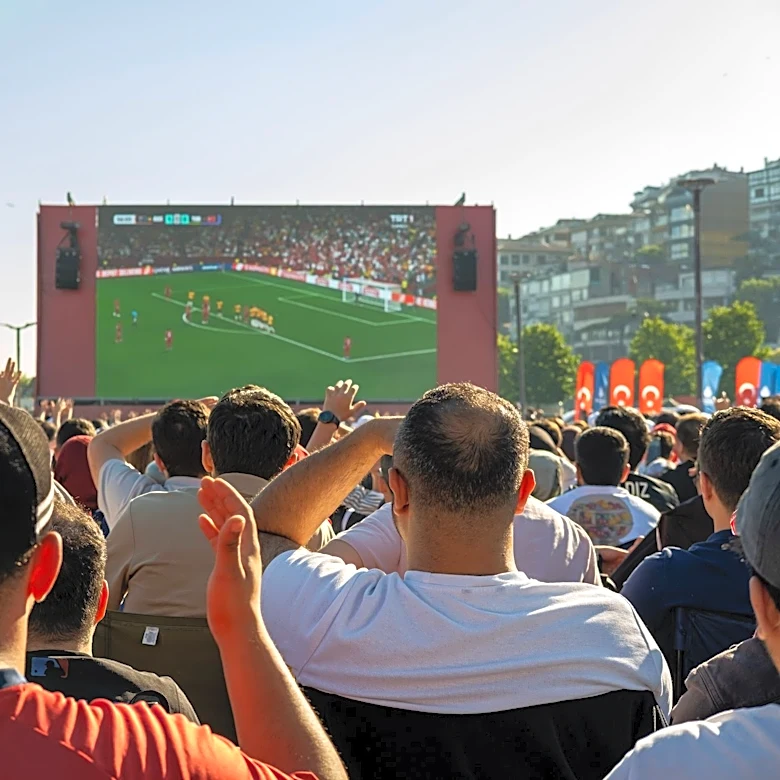
During a tournament, hotels transform. A hotel lobby bar is no longer just a lobby bar; it’s an international meeting point for fans draped in their nation's colors. Hotels capitalize on this by creating dedicated "fan zones" with big screens, themed menus, and merchandise. They become entertainment venues in their own right, capturing revenue from fans who may not even be staying there. Furthermore, major hotels often serve as the home base for the world’s media. Ballrooms and conference centers are converted into sprawling press rooms and broadcast studios, rented out for the entire month. The hotel becomes a 24/7 content factory, buzzing with journalists and production crews. This ecosystem creates an immense, self-contained economy within the hotel's walls, driven by food, beverages, event space rentals, and high-speed internet services.
A High-Stakes Rate Strategy
For the rooms available to the public, the laws of supply and demand are supercharged. The scarcity of rooms in a host city allows hotels to implement aggressive pricing strategies. Rates can skyrocket, often increasing by 300% to 500% or more compared to the same period in a normal year. But it’s not just about the nightly rate. Many hotels impose strict minimum-stay requirements—sometimes as long as a week or more—to ensure they aren't left with empty rooms between the group stage and the knockout rounds. This practice maximizes revenue per available room (RevPAR), the key metric in the hotel industry. It's a calculated gamble that the global demand from passionate fans will be strong enough to absorb these steep costs and rigid rules—a gamble that, for a World Cup, almost always pays off.
A Long-Term Bet on Legacy
For host cities, a World Cup is often a catalyst for major infrastructure development, and hotels are a huge part of that. The promise of a tournament can spur the construction of new hotels and the renovation of existing ones, a long-term investment that benefits the city's tourism appeal for years after the final whistle. For a hotel brand, being prominently featured during a globally televised event is invaluable marketing. It puts their property on the world stage, associating their brand with a premier global spectacle. As the U.S., Canada, and Mexico prepare to host in 2026, hoteliers in cities like Dallas, Miami, and Los Angeles aren't just thinking about a few weeks of business; they're investing in upgrades and planning strategies to cement their city's—and their brand's—reputation as a world-class destination for decades to come.