



The Birth of a National Habit
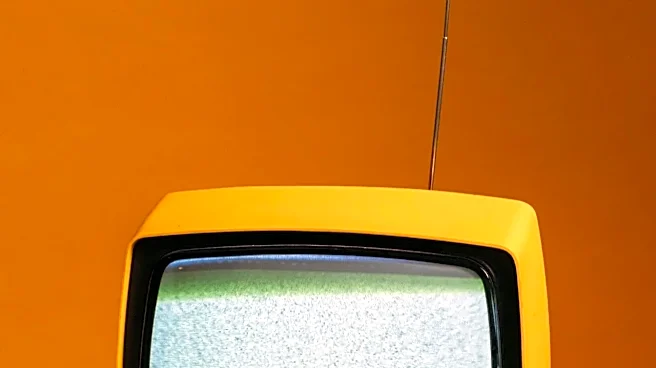
The idea of a “fall season” wasn't accidental. It was born from a combination of industrial logic and cultural rhythm. After television’s initial rollout at the 1939 New York World's Fair, broadcasting found its footing in the post-war era. The American
calendar was simpler then: families returned from summer vacations, kids went back to school, and cooler weather pushed people indoors. Networks like NBC, CBS, and ABC structured their programming around this cycle. They saved their biggest, most promising new shows for a coordinated launch in September, hoping to capture the nation’s attention in unison. This created a powerful, shared experience. For decades, what to watch on a Tuesday night was a topic of conversation at work, school, and over the backyard fence because everyone was choosing from the same limited, high-stakes menu.
When a Magazine Was the Ultimate Influencer
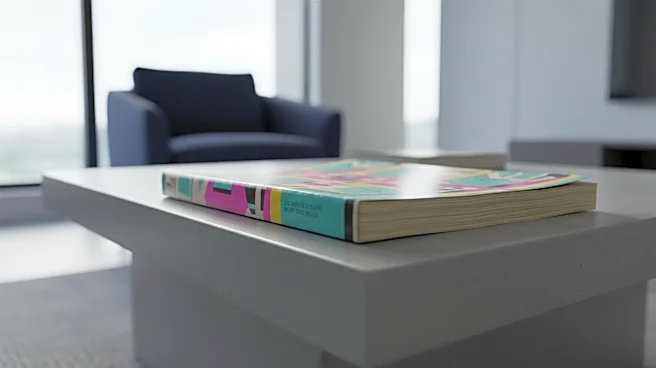
Before the internet, one magazine held the power to make or break a new show: TV Guide. Its annual fall preview issue was less a magazine and more a cultural bible. Weighing in at a hefty size, it was a tactile, glossy catalog of possibilities. Inside, you’d find plot summaries for new sitcoms, profiles of soon-to-be-famous actors, and a night-by-night grid that felt like a battle plan for your viewing schedule. Getting a positive mention or a coveted cover spot in the fall preview could create massive pre-launch buzz. It was the 1970s equivalent of going viral. Households would genuinely deliberate over its pages, circling premieres and planning their evenings for months to come. The magazine wasn’t just reporting on the fall season; it was the central engine making it an event.
The First Cracks in the Calendar
The unified fall season’s dominance began to splinter with the arrival of two key technologies: cable television and the VCR. Cable networks like HBO didn’t play by the broadcast rules. They needed to offer something different to justify their subscription fees, so they started debuting original programming year-round. Suddenly, a major new show might premiere in March or July. At the same time, the VCR gave viewers their first taste of true control. For the first time, you didn't have to be home on Thursday at 8 p.m. to see your favorite show. You could tape it and watch it later. This seemingly small convenience was a revolutionary act, severing the sacred link between a show and its specific time slot. The fall launch still mattered, but it was no longer the only game in town.
The Binge Model Obliterates the Season
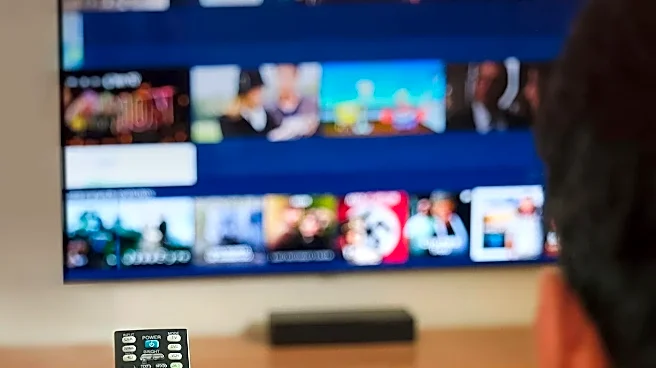
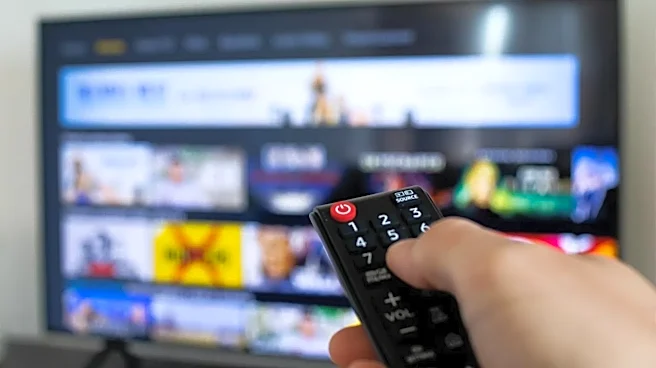
If the VCR cracked the foundation, streaming blew up the whole building. When Netflix transitioned from mailing DVDs to streaming original content, it didn't just ignore the fall season—it introduced a model designed to actively destroy it. The full-season “binge drop” changed everything. Why wait week-to-week for a story when you could consume it all in one weekend? Services like Netflix, Hulu, and Amazon Prime Video operate on a global, 24/7 calendar, driven by algorithms, not the American school year. Their goal is constant engagement, a never-ending pipeline of content to prevent you from canceling your subscription. A blockbuster show can now drop on a random Tuesday in February and dominate the cultural conversation for a week before the next big thing arrives. The idea of waiting until September for the “good shows” to start seems laughably quaint.