





What Exactly Are ‘Invisible’ Effects?
Invisible VFX are the unsung heroes of filmmaking, a category of digital alterations designed to be completely undetectable to the audience. Unlike a roaring dragon, their goal isn't to dazzle; it's to support the story so seamlessly that you never question
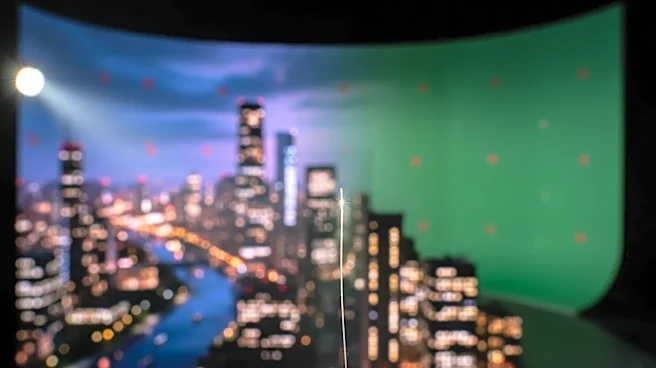
the reality of the world on screen. This can include anything from removing a modern building from a period drama, erasing the safety wires on a stunt performer, or changing the weather in a scene to maintain a consistent mood. Think of it like a perfectly tailored suit: you don't notice the individual stitches, you just see a flawless final product. Artists use these techniques to fix continuity errors, combine the best parts of multiple takes into one perfect performance, or even perform digital “beauty work” to ensure an actor’s appearance remains consistent.
The Power of Unbroken Immersion
The core function of invisible VFX is to preserve the audience's immersion. Every time you notice a flaw—a boom mic dipping into the frame, a historical inaccuracy, or a jarring change in lighting—the spell of the movie is momentarily broken. Invisible effects work to prevent this, ensuring the visual landscape is so consistent and believable that you can remain lost in the narrative. In David Fincher's thriller Zodiac, for instance, the crew didn't shut down modern-day San Francisco; they used extensive invisible VFX to digitally recreate the city's 1970s appearance, right down to now-demolished freeways. The effect is so convincing that the audience simply accepts the setting as real, allowing the chilling story to take center stage.
Spectacle vs. Storytelling
This isn’t to say that spectacular, in-your-face VFX are bad. Awe-inspiring creatures and epic battles are cornerstones of blockbuster cinema for a reason. But their primary goal is spectacle. Invisible effects, by contrast, are purely in service of the story. Sometimes, an obvious computer-generated monster can pull you out of a film just as easily as a production error. You stop seeing a creature and start seeing the CGI. The most successful effects-driven films often blend both approaches. The groundbreaking work in 1994's Forrest Gump is a classic example. While scenes of Forrest meeting historical figures like JFK were revolutionary, the film is filled with subtle effects you'd never guess, like a digitally created ping-pong ball and vast, computer-generated crowds. The goal was never to shout “look at this effect,” but to make Forrest’s impossible journey feel absolutely real.
The Unsung Artists of Cinema
A strange paradox defines the career of an invisible effects artist: they succeed when their work goes completely unnoticed. While the creators of a massive movie monster might find their work featured in behind-the-scenes documentaries, the artists who seamlessly remove a logo from a character's shirt or combine two different takes to perfect a line of dialogue receive little public glory. Even the Visual Effects Society (VES) has awards specifically for “Supporting Visual Effects” to honor this subtle craft. This work is meticulous and essential. A film like The Social Network contains nearly 1,000 VFX shots, far more than many sci-fi epics. Most are invisible, from creating the illusion of the Winklevoss twins (played by one actor with a body double) to using specialized focus techniques to enhance the story's themes of isolation.