


The Case for the Hits
Let’s be honest: the gravitational pull of a certified banger is undeniable. For the thousands of fans who might have discovered an artist through a Spotify playlist or a viral TikTok sound, the hits are the entire point. They are the currency of a shared
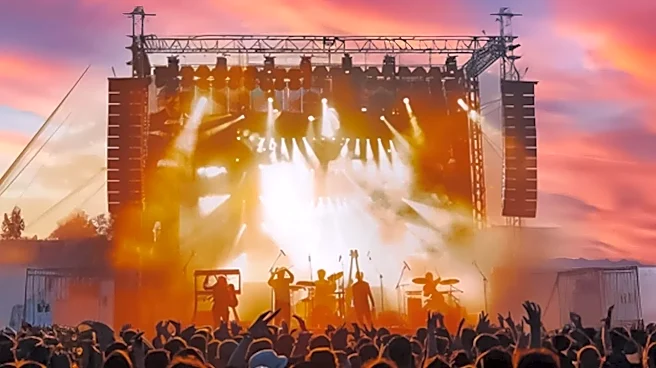
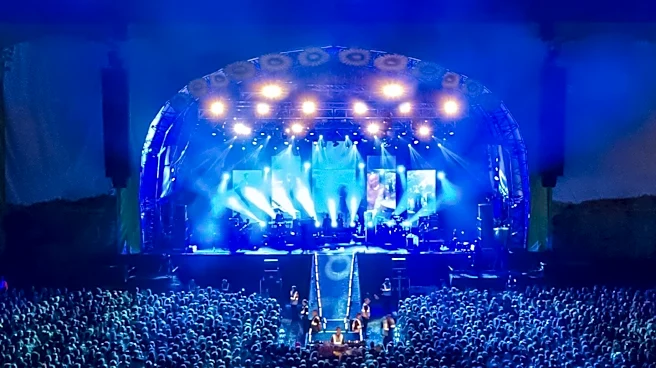
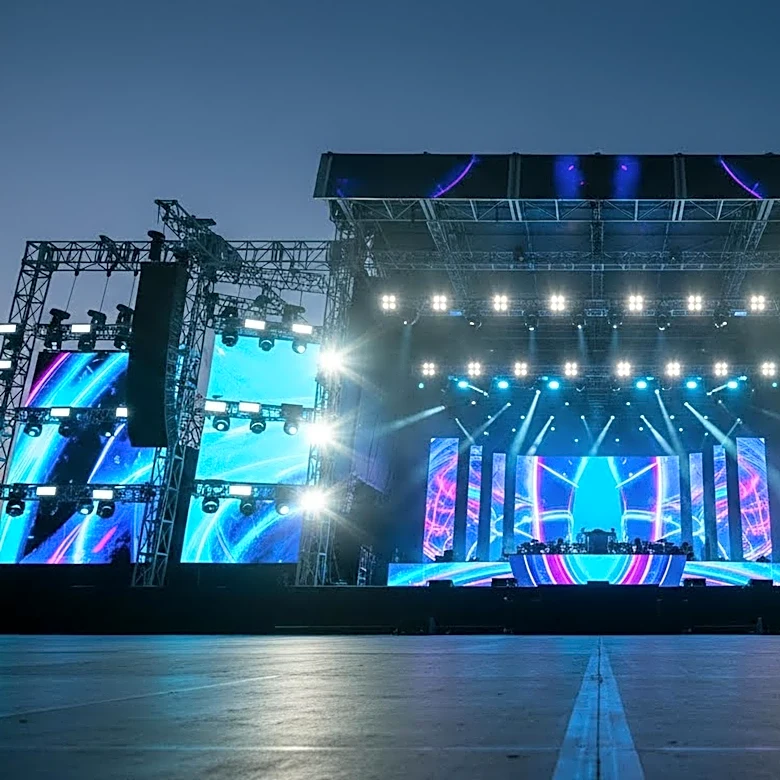
cultural moment. When a stadium of 50,000 people sings along to a chorus they all know, the experience is electric and communal. For these new fans, a setlist packed with anything less feels like a bait-and-switch. They bought a ticket to hear the songs, not a B-side from a 2018 EP they’ve never heard of. From the artist’s perspective, this is also a business decision. Filling arenas requires broad appeal, and broad appeal is built on massive, universally recognized hits. These songs pay the bills, fund the elaborate stage production, and keep the tour machine rolling. Ignoring them isn't just an artistic choice; it's a potentially risky financial one.
In Defense of the Deep Cuts
On the other side of the aisle are the legacy fans. They were there from the beginning. They bought the physical albums, they memorized the liner notes, and they have a deeply personal connection to the artist's entire body of work. For them, a concert is not a greatest hits revue; it’s a living document of an artist’s journey. The greatest reward for their years of loyalty is the thrill of hearing a forgotten gem or a rare track dusted off for the tour. A setlist that leans on surprises and artistic risks is one that respects their investment. It says, “You and I have been on this journey together.” Catering only to the new arrivals can feel like a betrayal to this core group, suggesting their long-term support is less valuable than the fleeting attention of the masses. They crave the story, the evolution, and the intimacy of a shared history, not just the sugar rush of the radio single.
The Streaming and TikTok Effect
This debate isn't new, but streaming and social media have turned the volume up to 11. The “TikTok Effect” can pluck a 20-year-old album track from obscurity and make it a global phenomenon overnight, creating an audience that knows one deep cut but none of the actual singles. Algorithms create hyper-specific entry points into an artist's catalog, meaning a new listener might arrive via a melancholy ballad that went viral, completely unaware of the artist's upbeat pop hits. This fractures the audience into micro-fandoms, each with a different definition of what the “essential” songs are. The result is a chaotic set of expectations that no single setlist could possibly satisfy, leaving artists to navigate a minefield of potential disappointment with every song choice.
The Artist Trapped in the Middle
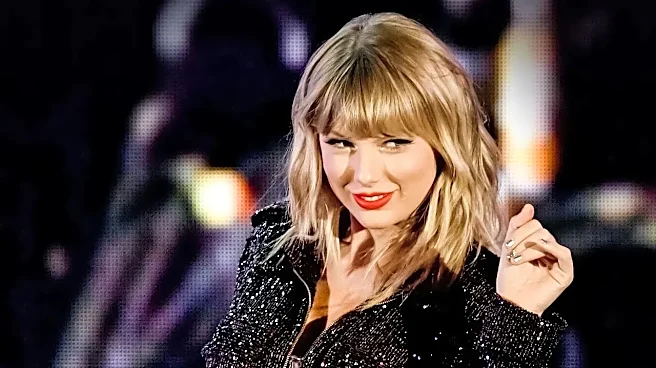
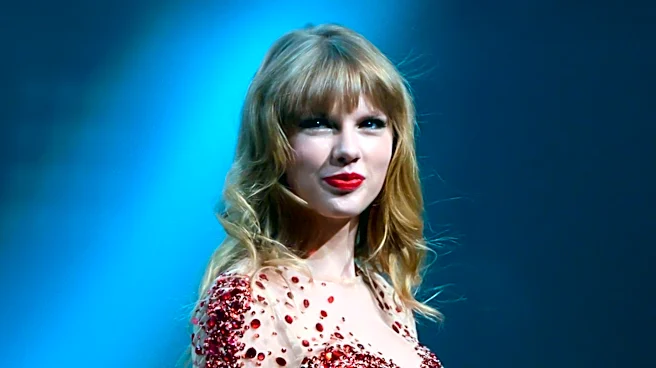
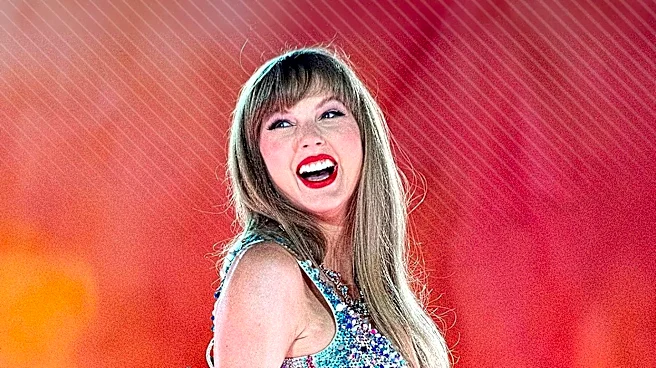
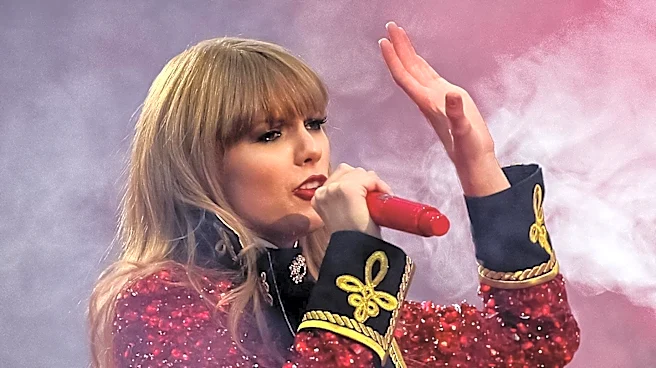
Ultimately, the artist is the one standing on stage, trying to bridge the gap. They are performers, but they are also curators of their own legacy. Every show is a statement. Is the goal to create a perfectly accessible, high-energy party? Or is it to showcase artistic growth and musical depth? Some artists, like Taylor Swift with her sprawling “Eras Tour,” have attempted to solve the problem by doing everything at once—a marathon show that covers all bases. Others defiantly stick to their artistic vision, asking audiences to come along for the ride. Many are finding a middle ground, using rotating “surprise song” slots to appease the die-hards while keeping the main structure of the show packed with the hits everyone can enjoy together. It's a delicate balancing act between commerce, art, and the increasingly complex nature of modern fan service.