
It All Starts With a Story
Long before the first model hits the catwalk, the accessory selection process begins with the designer's core vision. A collection is more than just clothes; it’s a narrative. Is the theme futuristic and
edgy, or romantic and nostalgic? Every earring, belt, and handbag must serve that story. The designer and their team will spend months developing a collection, and the accessories are a crucial part of this world-building. They are the details that give the garments context and personality. Sometimes accessories are developed in-house, but often designers collaborate with specialized accessory brands to create custom pieces or loan existing ones that align with the collection's mood. This initial phase is all about intention—every potential accessory is chosen because it helps communicate the central idea of the show.
Enter the Stylist: The Ultimate Editor
While the designer is the architect of the vision, the runway stylist is the editor who brings it to life. A stylist is hired to provide a fresh perspective, translating the designer's creative fantasy into a series of compelling, real-world looks. They work hand-in-hand with the designer, but their job is to refine, enhance, and sometimes challenge the initial concepts. Weeks before the show, they begin the “styling out” process. This involves pairing every garment with potential accessories, taking photos, and creating a massive board that maps out every single look. It’s a game of endless combinations where the stylist considers balance, proportion, and impact. A bold dress might need a simple earring to avoid overwhelming the eye, while a minimalist outfit could be the perfect canvas for a statement necklace. The stylist's expertise lies in seeing the big picture and ensuring each element works in harmony.
The Art of the Perfect Balance
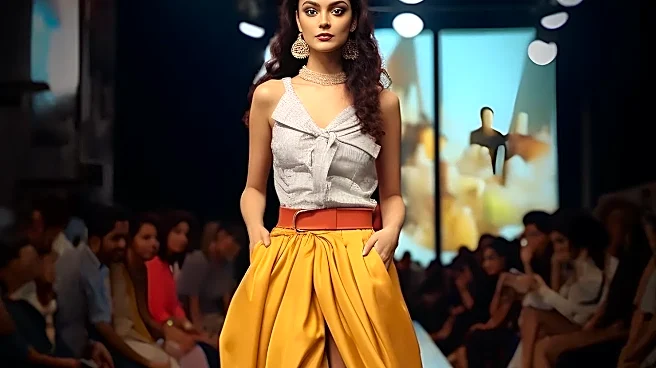
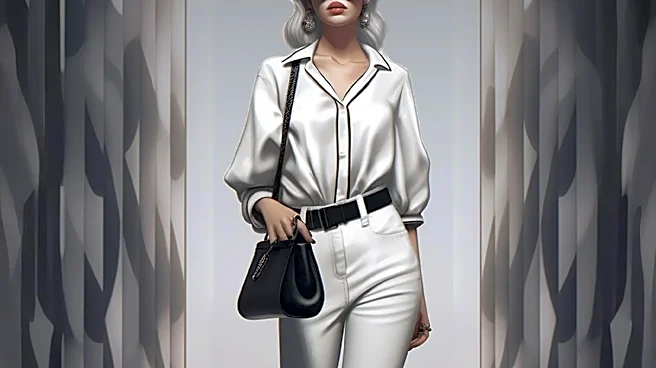
As looks are assembled, several key factors come into play. First is proportion and silhouette. Does a tiny clutch get lost with an oversized coat? Does a heavy boot ground a flowing dress? It's a visual balancing act. Color is another major consideration; accessories might be chosen to create a cohesive, monochromatic look or to provide a strategic pop of contrasting color. Then there’s the commercial aspect. Fashion week is a massive marketing event, and brand collaborations are common. A look might feature a specific handbag or shoe because of a partnership deal. Finally, there's practicality. Can the model actually walk in those shoes without stumbling? Does that necklace stay in place during a quick change? The most beautiful accessory is useless if it disrupts the flow of the show.
The Final Minutes: Chaos and Curation
Even with weeks of meticulous planning, many final accessory decisions happen in the frantic, high-energy environment backstage just moments before the show begins. A model might arrive late from another show, or an accessory might break. A look that seemed perfect on a board might not work on the specific model who is assigned to wear it. This is where the expertise of the designer and lead stylist becomes paramount. They rely on gut instinct, making split-second decisions—swapping a shoe, adding a belt, or removing a piece of jewelry entirely. Dressers are on standby, ready to execute these last-minute changes in under a minute. It’s an environment of controlled chaos, where every second counts. This final, intense edit is what ensures that every single detail is perfect before the model steps into the light.