




The Glow of Community
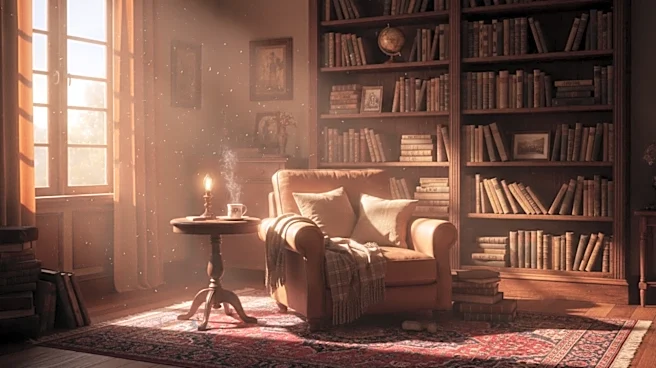
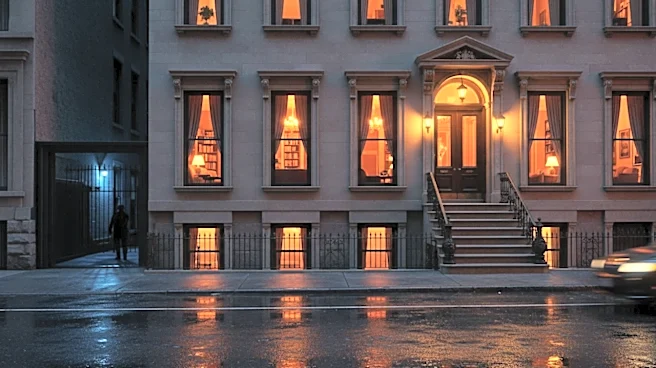
Step into the Arconia's lobby and you're immediately enveloped in a warm, golden glow. The lighting in the show's public spaces—the grand entryway, the elegant courtyard, and the wood-paneled hallways—is deliberately inviting. Production designers like
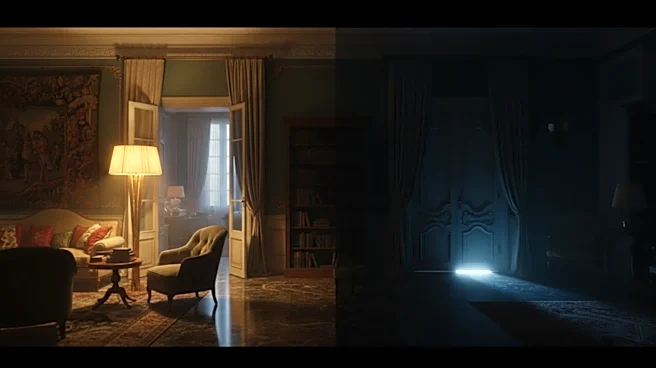
Curt Beech and Patrick Howe have meticulously crafted a vision of upscale, old-New York community. The light here feels rich, emanating from period-appropriate chandeliers and sconces that suggest history, stability, and a shared, enviable lifestyle. This is the Arconia’s public face: a well-lit promise of safety and belonging. It’s a visual representation of the ideal that draws the residents together, a stark contrast to the isolation and suspicion that will soon follow. The exterior shots of the real-life Belnord, which stands in for the Arconia, are often captured at times of day when the light is ideal, reinforcing this romantic, cinematic vision of New York life.
An Apartment for Every Personality
The true genius of the show's lighting design becomes apparent once the doors close. Each primary character's apartment is a masterclass in visual storytelling, with light sculpting our understanding of who they are. Take Charles-Haden Savage's (Steve Martin) apartment. It’s a controlled, somewhat sterile environment with a palette of blues and grays, reflecting a man who has money but is emotionally closed off. The lighting is clean, modern, and a little lonely. Contrast that with Oliver Putnam's (Martin Short) residence, a theatrical explosion of clutter and warmth. His space is filled with numerous small lamps and practicals, creating a lively, almost chaotic stage-lit effect that perfectly mirrors his personality as a struggling but spirited Broadway director. Finally, there is Mabel Mora's (Selena Gomez) apartment. For the first two seasons, it's a work-in-progress, reflecting her own transitional state and trauma. Its lighting is often cooler and more stark, with more shadow and less of the warm, nostalgic glow found elsewhere. Each space uses light not just for illumination, but for characterization.
Where Shadows Tell the Truth
If the public spaces are about bright, inviting light, the mystery lives in the shadows. The show's cinematographers, including Chris Teague, consciously moved away from the bright, flat lighting typical of comedies. Instead, they embraced a more cinematic, noir-inspired look that allows for deep pools of darkness and suspense. The building’s hidden passageways, service corridors, and even the moments in the elevator are all defined by a lack of light. This is where secrets are exchanged, suspects lurk, and the carefully constructed facade of the Arconia crumbles. The team uses advanced, modern lighting tools like LED tubes and wirelessly controlled bulbs disguised as vintage fixtures to achieve this effect. This allows them to create dynamic, high-contrast scenes where a character can be swallowed by shadow in one moment and revealed by a sliver of light in the next. The darkness isn't just an absence of light; it’s an active presence, hiding clues and raising the stakes.
The Light Between Old and New
The lighting philosophy also mirrors one of the show's central themes: the conversation between classic and contemporary. The series itself is a modern take on a classic murder mystery, blending the aesthetics of Alfred Hitchcock films with the very current world of true-crime podcasting. This is reflected in the lighting choices. Vintage fixtures are everywhere, grounding the Arconia in its 1908 history. However, the way these fixtures are used is entirely modern. Gaffer Noah Chamis has spoken about using cutting-edge LED bulbs that look like incandescents but offer precise, wireless control over color and intensity. This allows the crew to create a look that feels authentic to the pre-war building while giving them the flexibility needed for a fast-paced television production. It’s a technical choice that perfectly supports the narrative, blending the nostalgia of the past with the anxieties and technologies of the present, much like our three heroes.