





Beyond the Photo: Why Trends Can Deceive
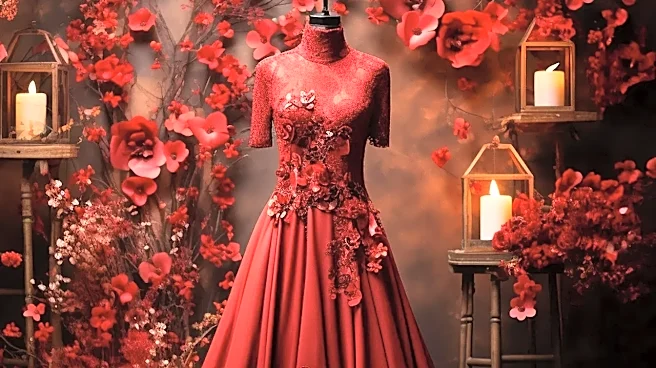
The fast-fashion model thrives on speed, translating runway looks into affordable options in weeks. This rapid cycle often means cutting corners on what matters most: quality construction. While a gown might capture a trend perfectly in a photo, its real-life
performance depends entirely on how it’s made. Poorly constructed garments made from cheap materials won't hang correctly, fit comfortably, or last more than a few wears. They are designed to be disposable, contributing to massive textile waste. Understanding the basics of garment construction empowers you to look past the trendy design and assess whether the piece is actually worth your money.
Start with the Fabric Itself
The first and most immediate test of quality is the fabric. A well-made gown starts with material that feels substantial and appropriate for the design. Natural fibers like silk, wool, and high-quality cotton or linen generally offer better durability and a more elegant drape. When examining a gown, crumple a small part of the fabric in your hand for a few seconds. If it creases heavily and doesn't bounce back, it's a sign of lower-quality material that will likely look worn quickly. Be wary of fabrics that feel overly stiff when they should be fluid, or anything that is transparent when it shouldn't be—a common issue with cheaply made, unlined dresses.
Examine the Seams and Stitching
Seams are a foolproof indicator of a garment’s quality. On a well-made gown, the seams should lie perfectly flat without any puckering or pulling. Gently pull on the fabric on either side of a seam; if you see gaps between the stitches, it means the stitch density is low, and the seam could easily come apart. Quality stitching is tight, even, and consistent. Loose threads, messy overlocking, or areas that have been stitched over multiple times are all red flags of rushed production. For patterned gowns, check if the pattern matches at the seams. High-end construction takes the time to align prints for a seamless look, a step often skipped in fast fashion to save money.
The Importance of Lining and Structure
Always check the inside of a gown. A lining is a hallmark of quality construction; it helps the dress hang properly, prevents sheerness, and feels more comfortable against the skin. A poorly made gown might have no lining or one made from a cheap, static-prone synthetic. For structured gowns, like those with a fitted bodice, the internal construction is critical. Look for proper boning that gives shape without being flimsy or digging into your body. The goal of these structural elements is to flatter your form, but low-quality versions often create awkward lumps and offer little support.
Check the Finishing Touches
The small details often reveal the most about a gown’s quality. Check the zipper; it should be sewn in neatly and glide smoothly without catching. Cheap, flimsy plastic zippers are prone to breaking. Hems should be even and finished cleanly, not simply serged and folded once. An uneven hemline is a clear sign of a garment made in a hurry. Finally, look at any embellishments like buttons, beads, or sequins. Are they attached securely? Loose or poorly attached details not only look cheap but can also fall off easily, leaving your gown with noticeable gaps.