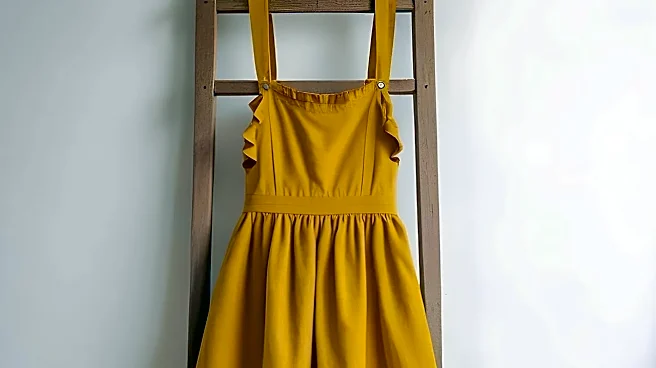

The Allure of the 'It' Dress
Let’s be honest: trends are fun. Seeing a dress flood your social media feed, spotting it on a favorite celebrity, and then finding an affordable version online delivers an undeniable thrill. It’s the sartorial
equivalent of being in on a joke—a way to feel current, stylish, and connected to a larger cultural moment. Fast fashion brands have mastered the art of this instant gratification, turning runway concepts into shoppable items at lightning speed. The promise is potent: for a small price, you can own a piece of the now. But the high of the purchase often fades quickly, leaving a closet full of clothes that were built for a moment, not for a lifetime.
From Trend to Tragedy: The Lifecycle of a Poorly Made Dress
The story of a poorly made, trend-led dress usually follows a predictable arc. After the initial excitement, the reality of its construction sets in. The first wash might result in shrinking or a slightly twisted side seam. By the third wear, you might notice pilling under the arms or loose threads popping up at the hem. Zippers may stick, buttons can feel flimsy, and the fabric itself might seem to lose its shape, clinging awkwardly instead of draping well. These aren't just minor annoyances; they are symptoms of a business model that prioritizes speed and low cost over quality and durability. Before long, that must-have dress is relegated to the back of the closet, an unworn reminder of a purchase that didn't pan out.
Your Pre-Purchase Quality Checklist
Becoming a more discerning shopper doesn’t require a degree in fashion design—just a few moments to look beyond the price tag and trendiness. Before you commit, turn the garment inside out and play detective. Gently pull on the seams; if you see gaps between the stitches, it’s a sign of a weak seam that’s likely to split. Good stitching should be dense and even. Feel the fabric itself. Does it feel flimsy or overly synthetic? Quality material feels substantial and holds its shape. Look for a lining, especially in skirts and dresses. A lining isn't just for opacity; it helps a garment hang correctly and is often a hallmark of better construction. Finally, inspect the details. Are the buttonholes neat? Do the buttons feel secure? Does the zipper glide smoothly? These small elements are often the first corners cut in cheap production.
The Real Math: Understanding Cost Per Wear
The most powerful argument against a cheap, trendy dress is a simple calculation: cost per wear (CPW). This metric reframes value, shifting the focus from the initial price to the long-term cost of ownership. The formula is straightforward: divide the total cost of an item by the number of times you wear it. A $40 dress that you wear only twice before it falls apart has a CPW of $20. In contrast, a well-made $200 dress that you wear 50 times has a CPW of just $4. From this perspective, the more expensive dress is actually the better bargain. Thinking in terms of CPW forces you to consider an item’s longevity and its true place in your wardrobe, turning you from an impulsive consumer into a savvy investor in your own personal style.