


The Thom Browne Effect
To understand this trend, you first have to understand Thom Browne. The American designer built his empire by taking the most classic of American uniforms—the gray business suit—and turning it on its head. With his signature shrunken proportions, exposed
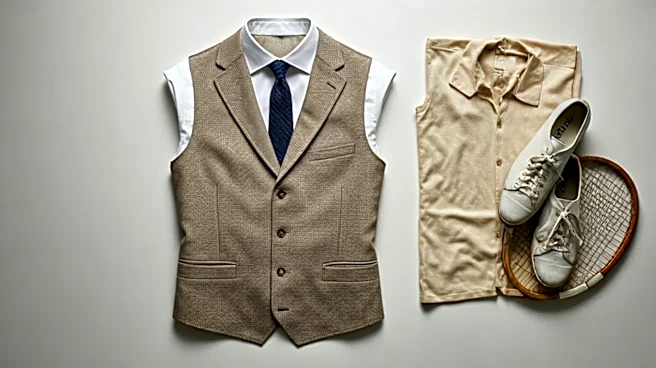
ankles, and preppy grosgrain trim, Browne created a new kind of uniform: one that is playful, rebellious, and impeccably tailored. He has a long history of engaging with sportswear, even hosting his own tennis tournaments and creating activewear collections. His aesthetic is rooted in reimagining uniforms, which makes the strict all-white dress code of Wimbledon the perfect canvas for his brand of subversion. The overlay trend channels his ethos by taking the expected tennis dress and adding an unexpected, conceptual layer.
Enter the Gossamer Overlay
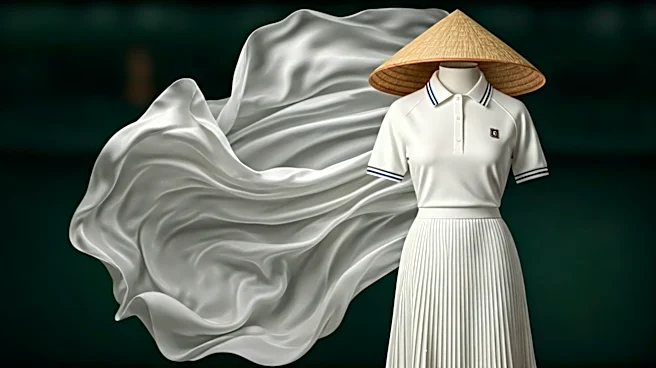
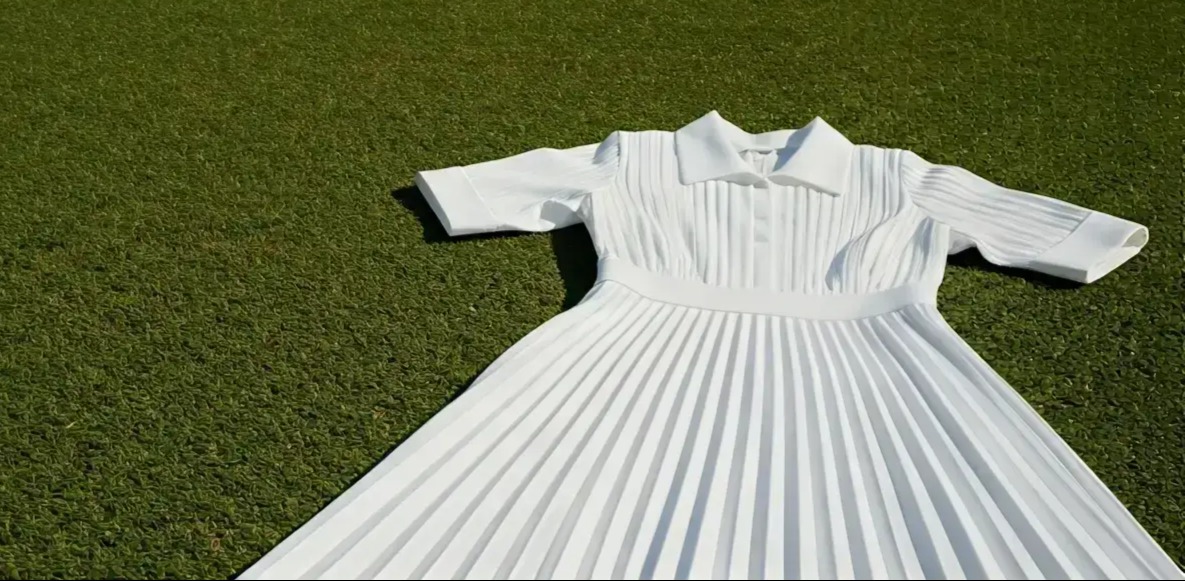
On the court, the silk organza overlay is a study in contrasts. It's a whisper-thin, almost ethereal layer worn over a traditional, functional tennis dress or separates. It moves with the athlete, creating a fluid, ghost-like silhouette that feels more at home on a runway than a grass court. This isn't just about aesthetics; it's a statement. In a sport defined by power and performance, the delicate overlay introduces a note of fragility and high fashion. It respects Wimbledon's all-white rule while pushing its boundaries, turning the athletic uniform into a piece of wearable art. The use of fine fabrics like silk speaks to the spectator dress code, which often features linen and silk, blurring the line between player and attendee.
From Court to Couture: Archival Roots
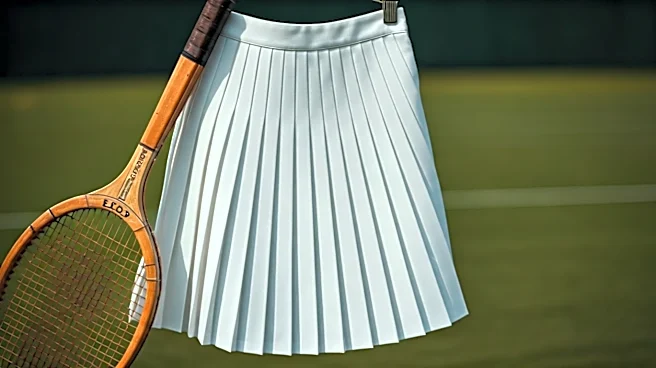
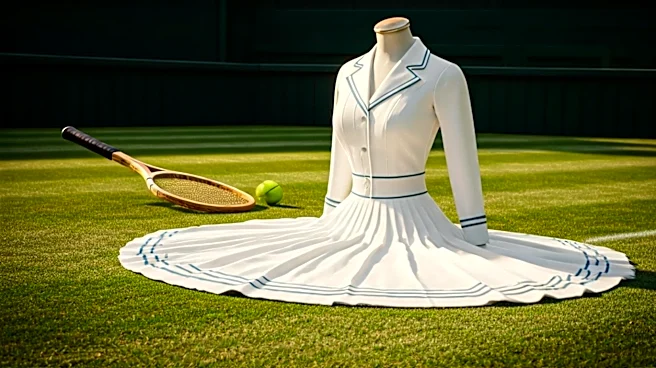
This modern trend has deep roots in tennis history. Early women's tennis fashion was anything but performance-oriented. In the late 19th and early 20th centuries, women played in full-length dresses, corsets, and hats—attire that was more about propriety than practicality. It wasn't until the 1920s, when players like France’s Suzanne Lenglen wore calf-length skirts and bare arms, that athletic function began to influence design. Today's designers are dipping into that archive, taking inspiration from the silhouettes of a bygone era. They're referencing the long lines and more formal nature of early tennis wear but reinterpreting them with modern, lightweight materials like organza. This creates a look that is both nostalgic and futuristic.
Why It All Comes Together at Wimbledon
Wimbledon is the perfect stage for this fashion moment because the tournament itself is a blend of tradition and modernity. It’s the world's oldest tennis tournament, famous for its grass courts and royal patronage, but it's also a global media spectacle. The strict all-white dress code for players, a tradition dating back to the 1880s to hide perspiration, creates a unique creative challenge. Designers and athletes must find ways to express individuality within a tightly controlled framework. The Thom Browne-esque organza overlay does this perfectly. It adheres to the color rule while challenging our perception of what sportswear should look like, proving that even within the most traditional settings, there is always room for a little fashion rebellion.