

The City Becomes the Stadium (T-minus 4 Hours)
Long before the stadium gates open, the match has already begun in the streets of the host city. This is the hour of the fans. Metro stations, public squares, and pub-lined avenues transform into a vibrant, chaotic river of color and sound. Argentinian fans in sky blue and white trade chants with Brazilians in canary yellow. English supporters drape the flag of St. George over balconies. It's a friendly, boisterous takeover. This period isn't just about pre-gaming; it's a fundamental part of the World Cup experience, a global gathering where the final score is temporarily irrelevant. The energy generated here is the fuel that will eventually power the stadium itself.
Gates Open: The Stadium Breathes In (T-minus 2 Hours)
As security lines begin to move, the massive, empty stadium starts to inhale.
The first few thousand fans trickle in, their voices echoing in the cavernous space. They stake out their sections, hang their banners, and take the obligatory selfies with the pristine green pitch in the background. For these early arrivals, it’s a moment of quiet awe before the storm. On the field, the final preparations are underway. Ground crews give the pitch one last watering, video screens run test patterns, and the army of matchday staff and volunteers takes their positions. The stage is being set, and the hum of anticipation is slowly replacing the silence.
The Teams Arrive (T-minus 90 Minutes)
This is a moment of high-security theater. A police motorcade signals the arrival of the team buses, which pull into a secure, underground entrance, far from public view. As the doors hiss open, the players emerge, and the mask of professionalism is firmly in place. Most are wearing headphones, their faces a study in concentration. They walk through the mixed zone—the area where they will speak to press after the game—and into the sanctity of the locker room. For the next half-hour, this space is theirs. Kits are laid out, tactical boards are reviewed, and the final words from the coaching staff begin to take shape. The players are now officially in the bubble.
The Pitch Belongs to the Players (T-minus 60 Minutes)
The first roar from the now-filling stadium comes when the goalkeepers emerge to warm up. They’re the opening act. About ten minutes later, the rest of the squad jogs onto the field to a much larger ovation. The warm-up is a highly structured routine. It starts with light jogging and stretching, moves into passing drills (rondos), and finishes with short sprints and shooting practice. It's a physical and mental exercise. Players get a feel for the turf, gauge the atmosphere, and go through the motions that have become muscle memory, a comforting ritual before the impending chaos of the match. Across the pitch, their opponents are doing the exact same thing, a mirror image of preparation.
The Final Countdown (T-minus 20 Minutes)
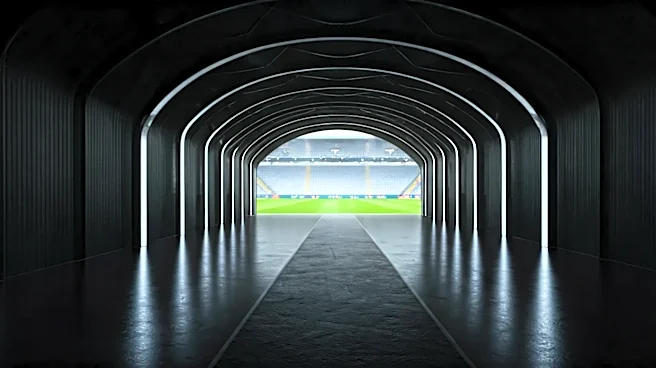
The teams head back to the locker room for final instructions. On the pitch, the warm-up equipment is cleared and the pageantry begins. Dancers might perform a routine reflecting the host nation's culture, or giant, elaborate banners are unfurled across the pitch. The starting lineups are announced over the PA system, with the home or favored team’s players read out with rising vocal intensity, each name punctuated by a roar from the crowd. Inside the tunnel, players change into their match kits. This is the last moment of relative calm. Teammates give final words of encouragement, rivals exchange brief, tense nods. The referee gathers both captains.
Anthems and The Walkout (T-minus 5 Minutes)
You know the music. The iconic FIFA anthem plays as the two teams, led by the officials, walk out onto the pitch, often hand-in-hand with young player mascots. They line up facing the main camera stand, and the stadium falls into a respectful hush for the national anthems. This is often the most emotionally charged moment before kickoff. For players, it’s the culmination of a lifelong dream. For fans, it’s a moment of profound national pride. Cameras linger on the faces of players, some singing with tear-filled eyes, others with stoic intensity. Following the anthems, the captains meet the referee for the coin toss, the teams break for a final huddle, and then, finally, they take their positions. The stadium’s roar reaches its peak as the referee raises the whistle to their lips.