


The Big Idea: A Living Fashion Magazine
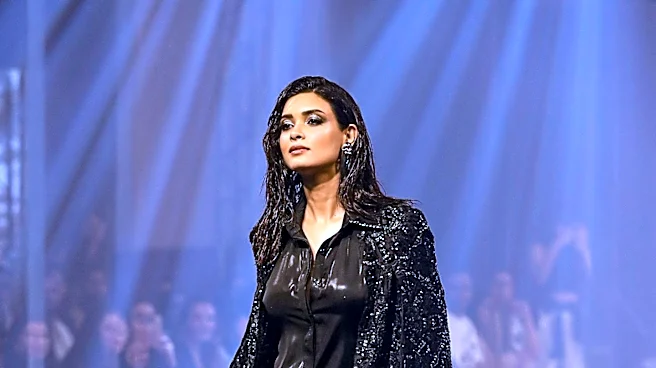
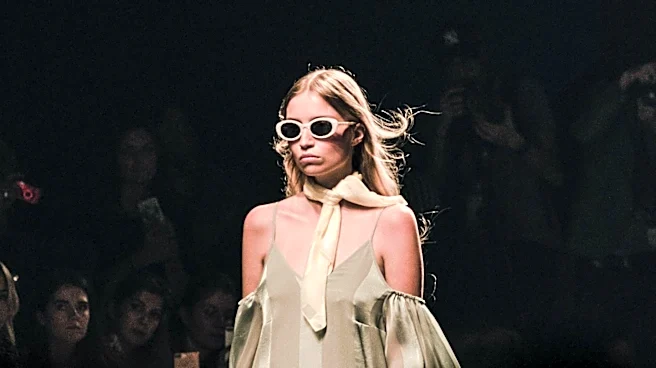
Forget werewolves and superheroes. This year, your team is the staff of a high-end fashion magazine. It's the perfect concept: chic, clever, and endlessly adaptable. It allows for huge individual variation while maintaining a strong, unified group identity.
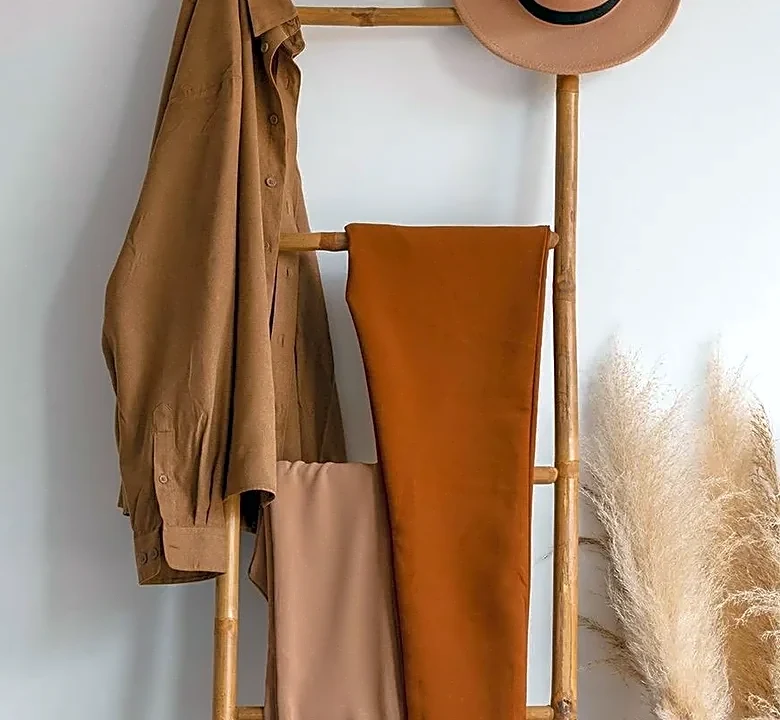
Everyone gets to build a 'character' from their own closet, adding a few key props to sell the story. The theme is less about a specific costume and more about an attitude—professional, creative, and effortlessly cool. This approach transforms everyday workwear into a costume, ensuring comfort and appropriateness.
The Editor-in-Chief: Quiet Power
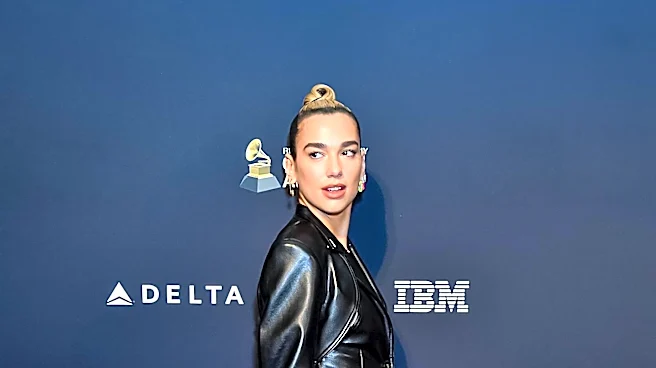
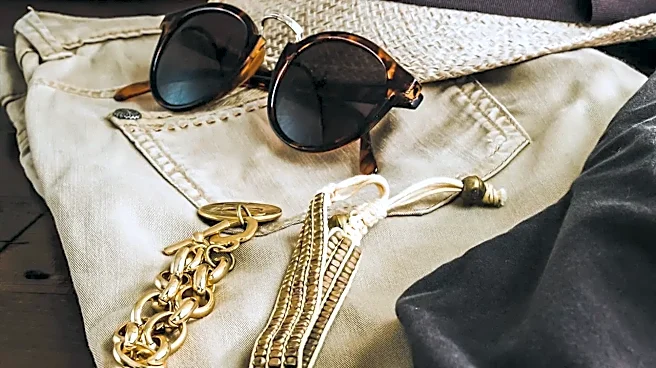
Every magazine needs a leader. This role is for the team member who commands a room. The look is inspired by icons like Anna Wintour: polished, impeccable, and authoritative. Think a sharp sheath dress, a tailored jumpsuit, or a timeless tweed jacket. The key accessories are what tell the story: oversized dark sunglasses (even indoors), a statement necklace, and most importantly, a mock-up of the magazine's latest issue. A pristine bob or an elegant updo completes the look of someone who decides what's in and what's out.
The Fashion Editors: Creative & Eclectic
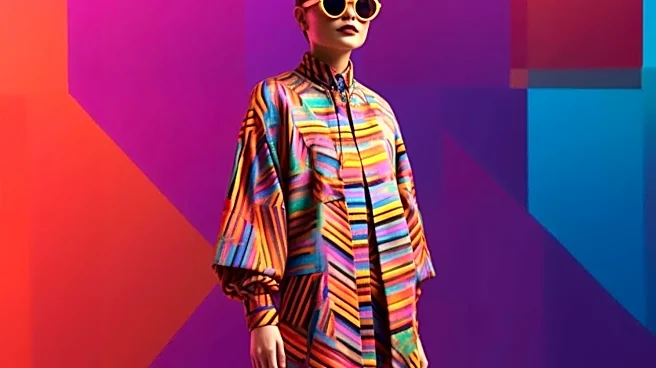
This is the role for the most style-conscious members of your team. Fashion editors and stylists are known for their experimental, layered, and trend-forward looks. Encourage them to mix textures and silhouettes—a coordinating vest and trouser set, an architectural blazer over a simple base, or a monochromatic outfit in an unexpected color. Their props should look like they just stepped out of a studio session: a mood board with fabric swatches, a measuring tape draped around the neck, or an arm full of chunky bracelets. They are the visual artists of the group.
The Writers & Columnists: The Intellectual Core
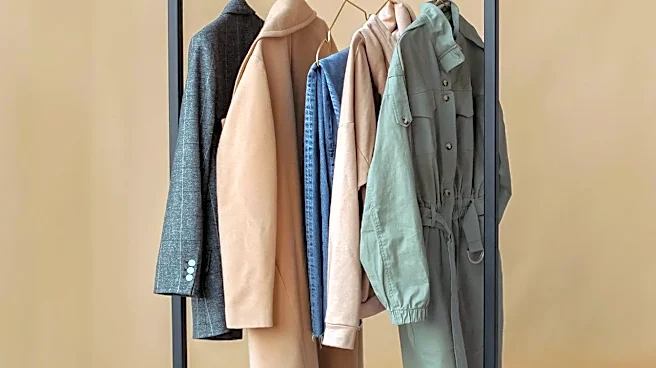
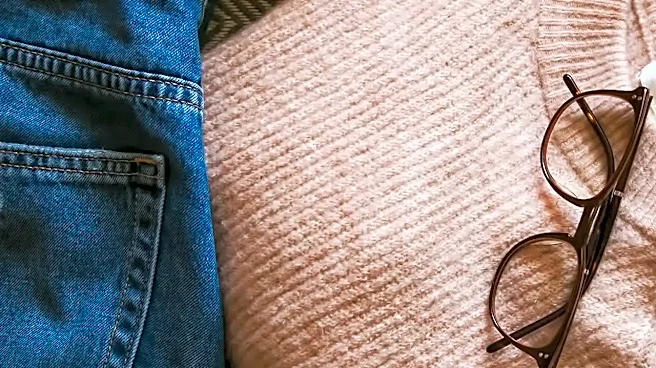
For those who prefer a more understated, intellectual vibe, the role of a features writer or columnist is a perfect fit. Their uniform is classic and comfortable, built for long days of research and writing. Think tailored blazers, cashmere sweaters, dark-wash jeans or smart trousers, and stylish flats or loafers. To signify their role, they can carry a well-worn notebook and a nice pen, a stack of books, or a vintage-style camera. This look channels a thoughtful, journalistic authority that is both timeless and effortlessly cool.
The Art Department: The Visual Vanguard
The photographers, graphic designers, and art directors are the engine of the magazine's visual identity. Their look is practical yet edgy. An all-black outfit is the classic base: black jeans, a black turtleneck, and comfortable boots. The personality comes from the accessories. A utility vest with multiple pockets, a light meter hanging from the neck, or, of course, a camera with a long lens instantly signals their role. They might also carry a portfolio or a large print of a striking photograph, showcasing their creative output.
Making It Cohesive: The Final Touches
To truly sell the group theme, a few coordinating elements are key. Create a fictional name for your magazine—something that reflects your company's industry or culture—and design a simple logo. Print out mock 'press passes' with each person's name and 'job title'. You can even create a life-sized magazine cover as a photo booth prop for the requisite office pictures. A shared, simple color palette, like black and white with one accent color, can also tie everyone's individual outfits together, making the group look intentional and incredibly stylish.