




The Longest Walk
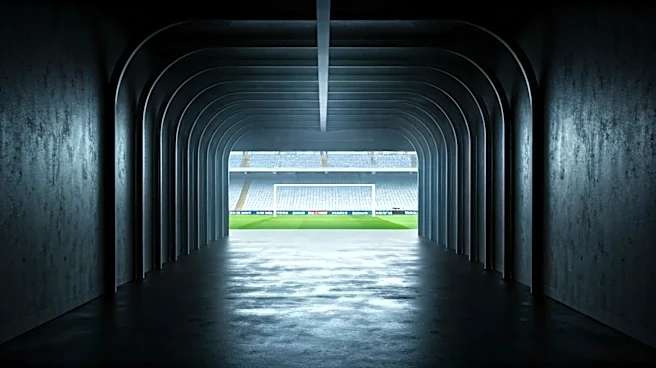
It all starts in the tunnel. This walk, from the quiet of the locker room to the roar of a packed stadium, is a powerful psychological transition. Players are forced into close proximity with their opponents, a tense and often silent face-off just moments
before battle. The presence of child mascots adds a surreal layer of innocence to the scene, a stark contrast to the impending physical contest. Recent World Cup matches have seen brief, human moments here—a shared smile or a respectful hug between captains who are old friends or rivals. But these instances are fleeting. The tunnel is designed to be a pressure cooker, the last moment of private contemplation before the players step into an arena of 80,000 screaming fans and the expectations of millions watching at home. For the kids accompanying them, it's a once-in-a-lifetime thrill; for the players, it's the final, deep breath before the plunge.
A Nation's Sound
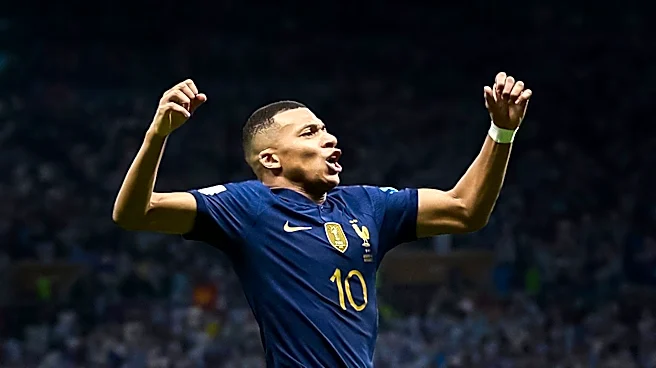
Once on the pitch, the national anthems provide the emotional crescendo. This is more than tradition; it’s a tool for connection and intimidation. For players, hearing their anthem can trigger a profound sense of national pride and responsibility, a moment that connects them to their country's history and the fans in the stands. Studies have even suggested that teams who sing their anthems with more observable passion tend to be more successful, especially in high-stakes knockout rounds. A passionate rendition can signal unity and a strong collective identity, which may boost a team's defensive resolve. For the 2026 World Cup, FIFA has introduced a new protocol where the entire squad, not just the starting eleven, gathers at the center circle for the anthems, a change designed to let every player share in that powerful moment of national pride.
The Calculated Calm
Following the anthems, a series of brief, formal rituals takes place: the exchange of pennants, the team photos, and the captain's coin toss. These moments of orchestrated sportsmanship are the final calm before the storm. The handshakes are a customary sign of respect that barely masks the underlying competitive tension. The team photograph is a snapshot of unity, a fixed image of a group about to be thrown into 90 minutes of chaotic motion. These routines provide a sense of control and familiarity in a high-stakes, unpredictable environment. For players, these actions are psychological anchors, helping to reduce anxiety and transition them from a state of nervous anticipation into a game-ready mindset. While they may seem like procedural afterthoughts to the viewer, they are the last structured beats in a carefully managed build-up to kickoff.
An Audience of Billions
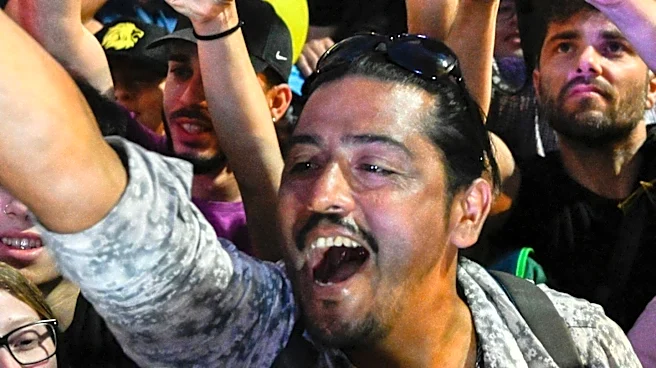
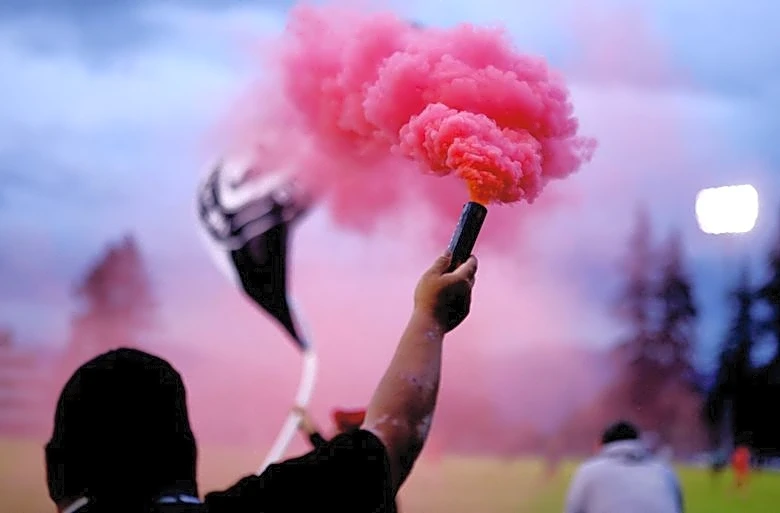
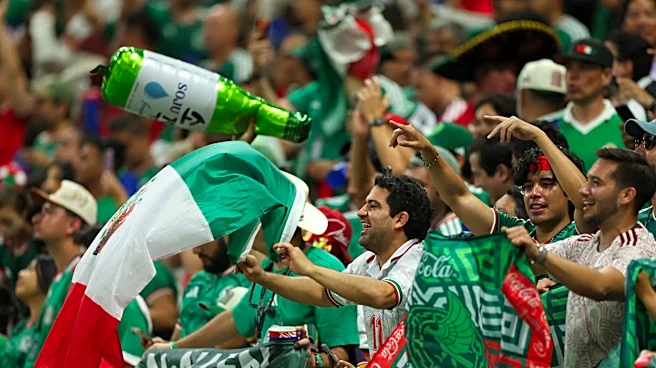
These pre-game rituals aren't just for the players; they are for everyone watching. The broadcast meticulously captures the drama: close-ups of stoic faces during the anthems, the forced smiles in the tunnel, and the sweeping shots of the flag-waving crowd. This is all part of what makes the World Cup more than a game—it transforms it into a global cultural event. These shared rituals help foster a collective identity, turning millions of individual viewers into a unified tribe, even if only for a short time. Research has shown that for fans, the emotional peak of a match day can occur during a pre-game collective ritual, even surpassing the excitement of the game itself, except for the moment a goal is scored. The ceremony builds a shared emotional investment, making the victories feel personal and the losses sting just a little bit more.