

The Myth of the Perfect Recording
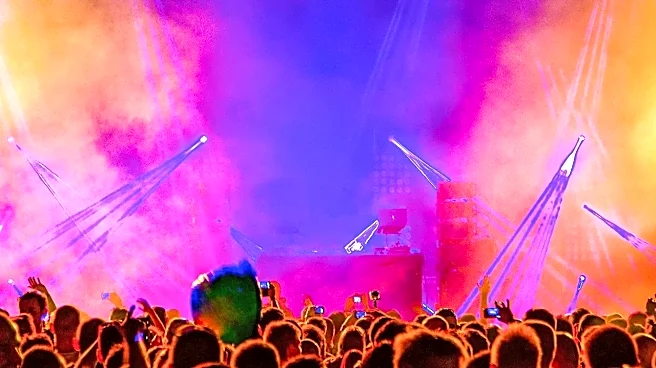
Let’s be honest with ourselves for a moment. That video you’re about to take will probably be terrible. Even with the latest smartphone, concert audio is notoriously difficult to capture; the powerful bass that makes live music so visceral often turns
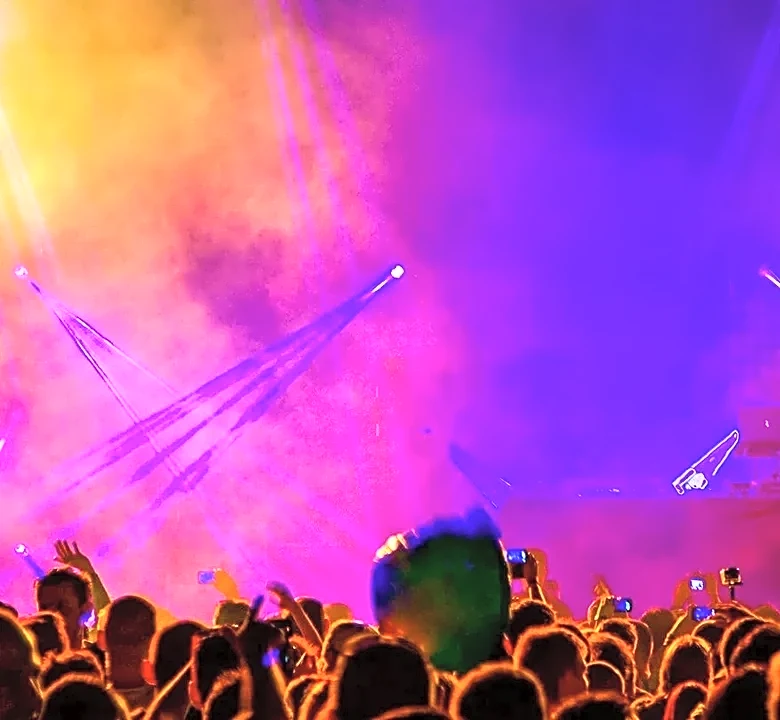
into a distorted, blown-out mess on a tiny microphone. The video will be shaky, your own off-key singing will feature prominently, and the whole scene will be obscured by the thousand other phones held aloft in front of you. The common joke is that you'll get home and see what you missed. Many people admit they rarely, if ever, go back to watch the dozens of clips they painstakingly record. The impulse to document is understandable. Artists like Billie Eilish have even defended it, arguing that filming is how younger generations experience and share culture. But you’re not a professional archivist. You’re a fan who paid for an experience, not a low-quality digital souvenir you’ll forget is on your camera roll by next week.
What You Gain When You Let Go
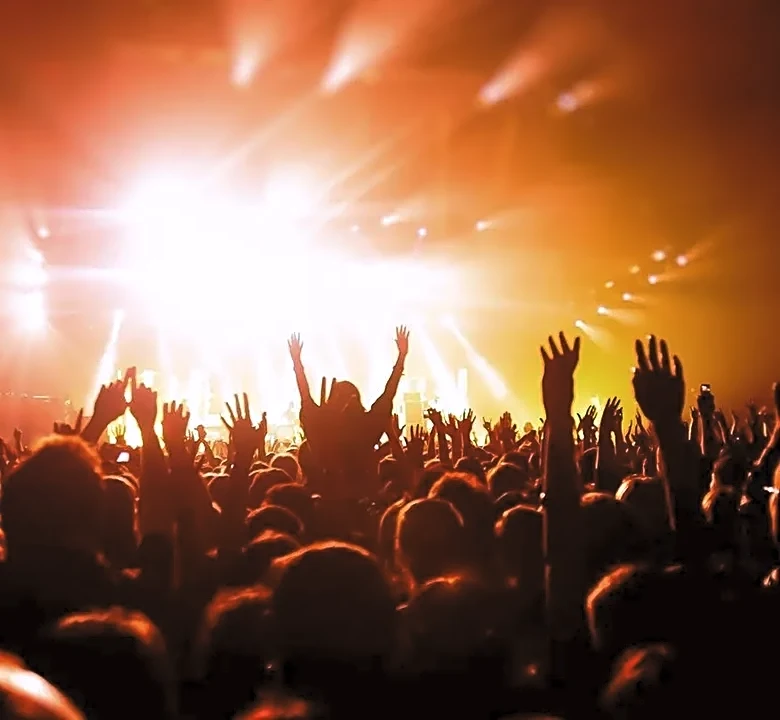
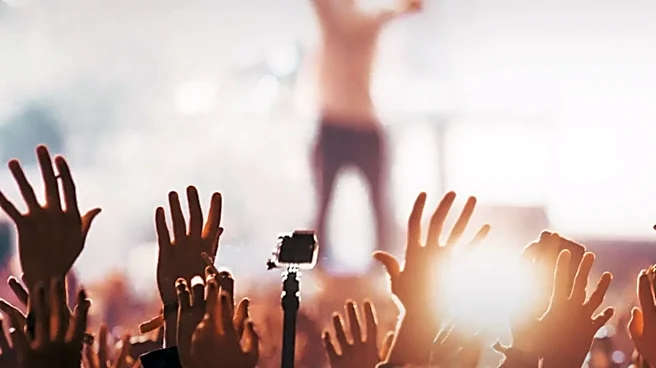
The real trade-off isn't about having a video versus not having one. It’s about the quality of your memory. When your attention is channeled through a six-inch screen, your brain is focused on the task of documentation: Is it in focus? Is the framing right? How much storage space is left? You are effectively demoting yourself from a participant to a B-roll camera operator for your own life. When you put the phone down, you’re free to notice everything else. You can see the full sweep of the lighting rig, not just the part you can fit in a vertical frame. You can make eye contact with the person next to you who is also having the time of their life. You can feel the collective energy of the crowd, a feedback loop between the artist and the audience that musicians like Jack White and Mitski have said is disrupted by a wall of screens. It becomes a full-body, sensory experience, not a filtered one.
It’s Not a Rule, It’s an Invitation
This isn't a call to ban phones. Some artists, from Bob Dylan to Phoebe Bridgers, have experimented with phone-free shows, asking fans to lock their devices in special pouches. While many attendees report a better, more immersive experience, it can feel restrictive. The point isn’t to scold or shame people for wanting to capture a moment. The impulse to save something beautiful is deeply human. But maybe we can reframe what it means to “save” it. Instead of a pixelated video, the memory can be the feeling of the bass in your ribs, the shared glance with a stranger, and the sound of ten thousand people singing as one. That’s a memory that no phone can capture and no social media post can replicate.
Try It, Just for One Song
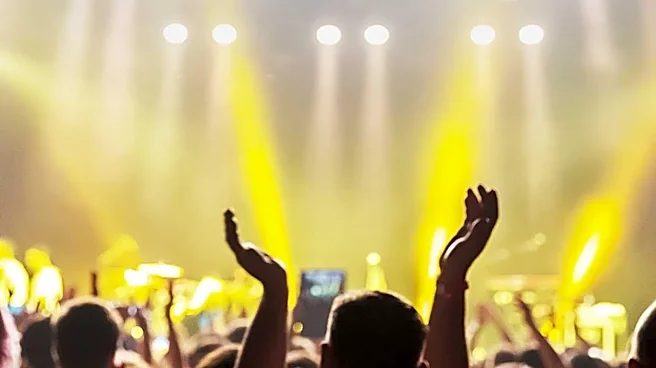
You don't have to commit to a full digital detox. Just try an experiment. The next time you’re at a show and the headliner launches into their biggest anthem—the moment the energy is at its absolute peak—keep your phone in your pocket. Look around. Soak it in. Be fully present for those three or four minutes. Instead of creating a poor-quality digital copy of the moment, allow yourself to be fully absorbed by the original. You might find that the memory you create is far more vivid and lasting than any video could ever be. You might just remember what it feels like to experience a concert with your eyes and ears, not through a screen. You have permission to simply be there.