




The Loneliest Position on the Field
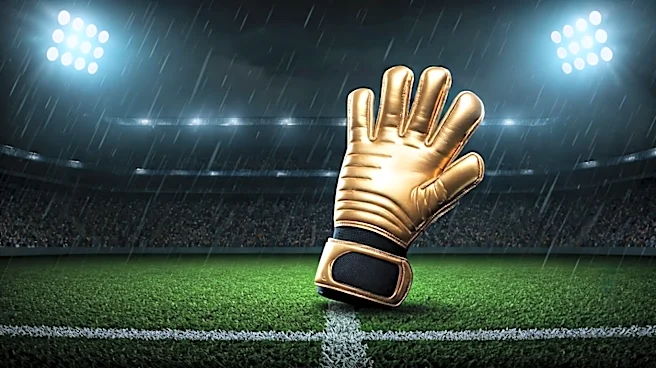
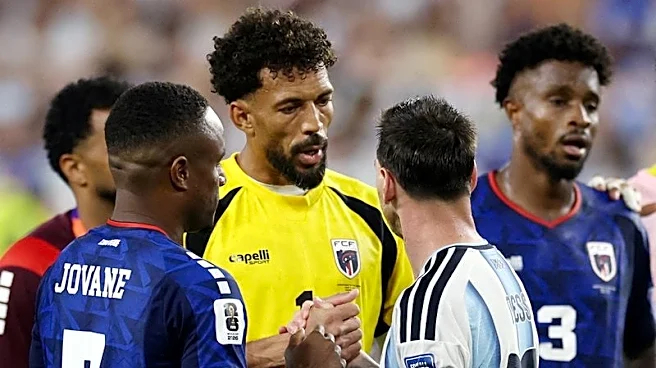
The goalkeeper is the most specialized and isolated position in all of sports. They wear a different color jersey, follow a different set of rules, and train for a unique skill set. While outfield players operate in a fluid system of support and movement,
the keeper often stands alone, waiting. This isolation breeds a specific kind of mental toughness. A striker can miss five shots and be forgiven if they score the sixth; a goalkeeper can make ten brilliant saves, but a single mistake can cost their team the game and make them the villain. This unforgiving reality means that every action they take carries immense weight. Their heroism is born from this pressure—the ability to remain focused through long periods of inaction and then, in a split second, produce a moment of perfect clarity and athleticism. They are the team's ultimate safety net, the final barrier standing between success and failure.
The Momentum-Shifting Save
A great save is worth more than just one goal prevented; it’s a psychological weapon. When a team is under relentless attack and the defense is moments from breaking, a spectacular save can feel like a jolt of lightning. It deflates the opposition, who see a certain goal snatched away, and simultaneously electrifies the defending team, reminding them they are still in the fight. Think of Iker Casillas in the 2010 World Cup final. With the Netherlands' Arjen Robben clean through on goal, Casillas denied him with an outstretched foot, a save that kept Spain's hopes alive before they went on to win their first-ever World Cup. Or Gianluigi Buffon's incredible reflex save to deny Zinedine Zidane's powerful header in the 2006 World Cup final, a moment that kept Italy in the match they would eventually win on penalties. These aren't just athletic feats; they are moments that change the emotional trajectory of a game entirely.
The Architect of the Defense
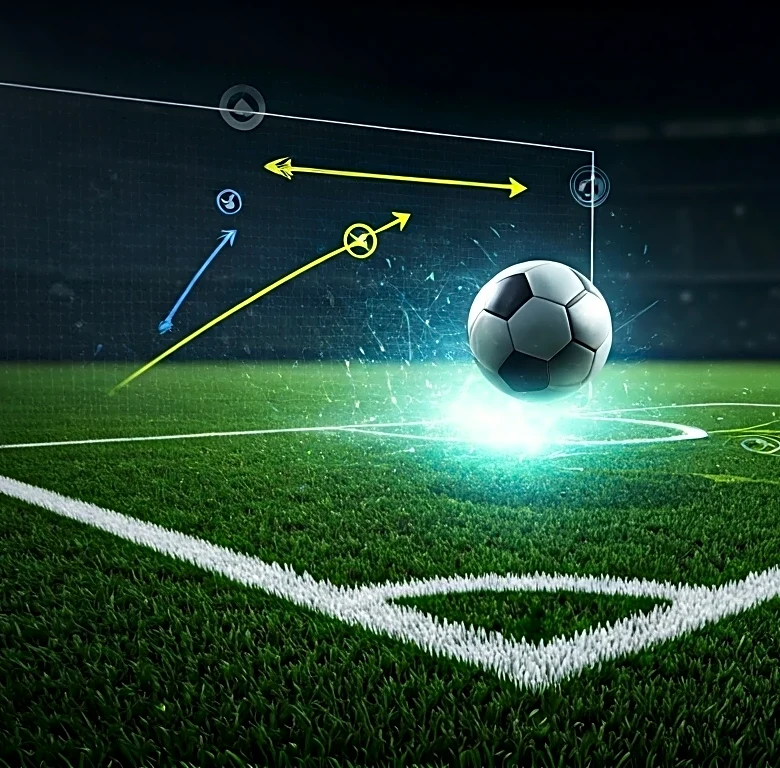
While fans see the dramatic dives, a goalkeeper’s most important work is often done before a shot is even taken. With an unrestricted view of the entire field, they are the on-field director of the defense. They shout instructions, organize the defensive wall on free kicks, and position their teammates to cut off attacking angles. Elite goalkeepers like Manuel Neuer and Alisson Becker have redefined the position, acting as a “sweeper-keeper” who rushes off their line to intercept through balls and participates in building attacks with precise passing. This role as a communicator and leader builds trust and organizes the chaos. A confident, vocal goalkeeper provides a sense of security that allows the rest of the team to play with more freedom and aggression. Their heroism isn’t just in what they do with their hands, but in how they command the ten players in front of them.
The Master of the Shootout
Nowhere is the goalkeeper's potential for heroism more stark than in a penalty shootout. After 120 minutes of collective effort, the fate of an entire tournament can rest squarely on their shoulders. It's a high-stakes psychological duel, a one-on-one battle of wits and reflexes where the keeper is at a significant disadvantage. Yet this is where legends are made. A keeper who saves a penalty isn't just doing their job; they are actively winning the game in a way no other player can in that moment. The World Cup has seen several keepers become national icons in these duels, with players like Croatia's Dominik Livakovic and Portugal's Ricardo famously saving three penalties in a single shootout. The explosion of joy and relief after a game-winning save is one of the most powerful sights in sports, cementing the goalkeeper not just as a player, but as the deliverer of victory.