






The Tyranny of Basic Black
Black has always been the easy answer. It’s slimming, it’s serious, and it goes with everything. From the beatniks of the ‘50s to the minimalist wave of the ‘90s, a closet full of black was a sign of effortless cool. It promised a certain brand of urban
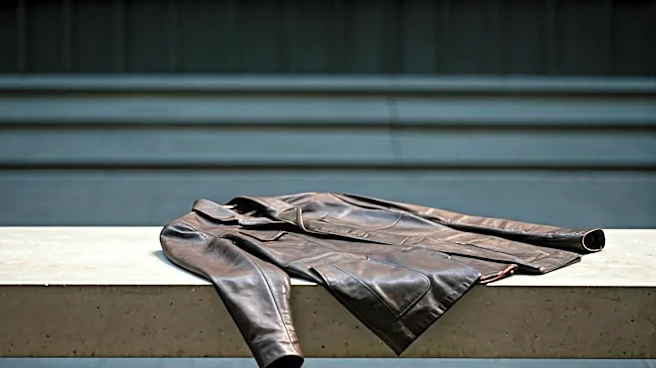
sophistication—sharp, decisive, and a little bit severe. When in doubt, wear black. It was a rule, a shortcut, a security blanket. But that very ubiquity is also its weakness. A cheap black t-shirt and a couture black gown are technically the same color, but they feel worlds apart. More often than not, mass-market black reads as flat, a void that absorbs light and personality. It’s a color that can easily feel harsh and generic, a default setting rather than a deliberate choice.
Milan's Material Magic
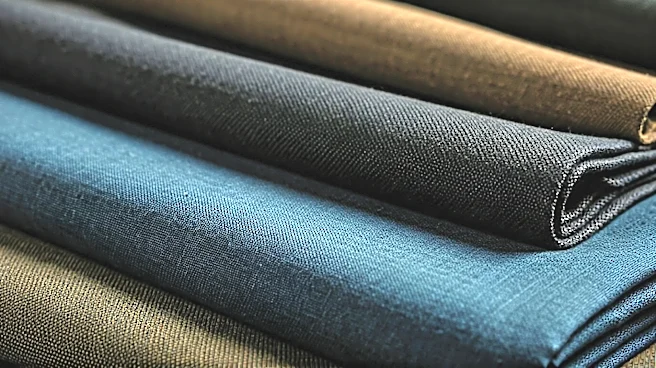
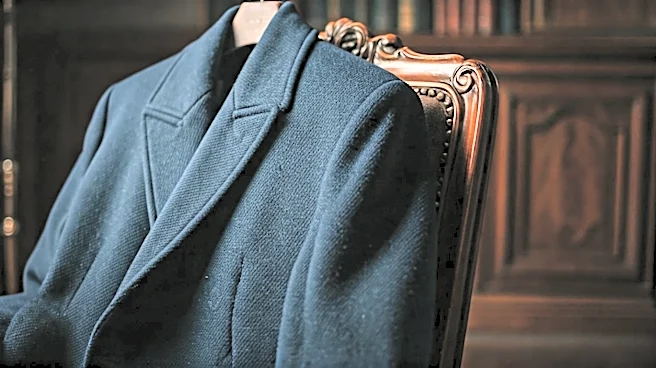
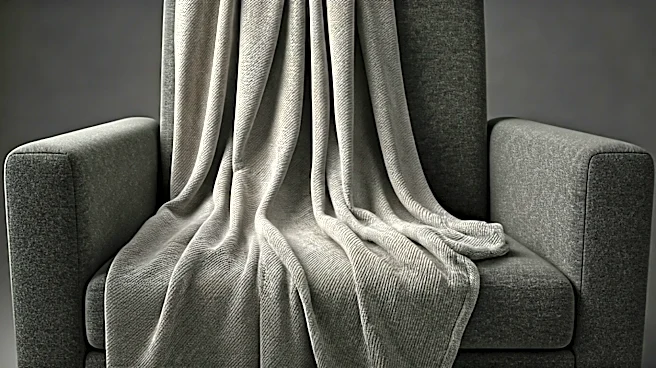
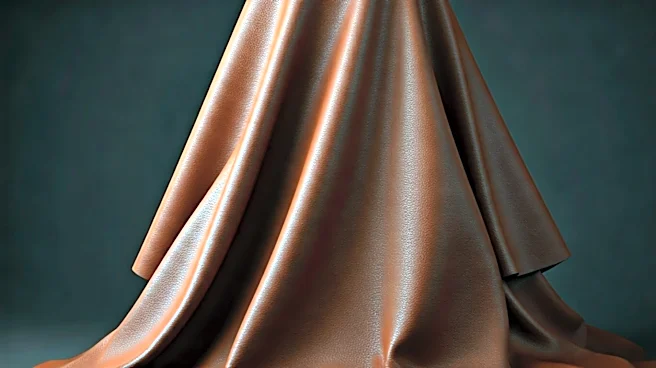
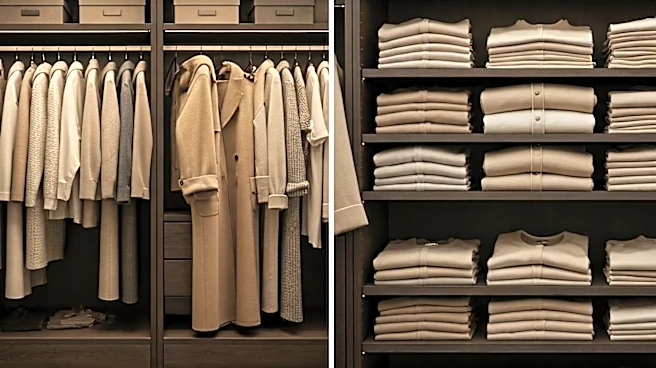
This is where Milanese design changes the conversation. The secret to making gray feel warmer, richer, and more luxurious than black isn't about the dye; it's about the material. Italian fashion, particularly from houses like Brunello Cucinelli, Zegna, and Loro Piana, is built on a foundation of unparalleled textiles. They understand that gray is a color that comes alive through texture. Think of a chunky cashmere sweater in heather gray—you can almost feel its softness just by looking at it. Compare that to a flat black cotton. The gray has depth, with flecks of lighter and darker fibers creating a visual landscape. Designers in Milan are masters of this, using brushed wools, soft flannels, nubby bouclés, and fluid silks to give their gray garments a tactile, inviting quality. Black can hide imperfections in fabric; gray celebrates the quality of the weave, the knit, and the finish. It’s a color for connoisseurs.
A Symphony in Fifty Shades
To say a designer is using “gray” is like saying a chef is using “salt.” The true artistry is in the specific shades and how they’re combined. Milan’s runways are a testament to this nuance. There's the deep, commanding power of charcoal, which has all the formality of black but with a softer edge. There’s the gentle, approachable feel of dove gray, perfect for a relaxed suit or a soft knit. There’s slate gray, with its cool, bluish undertones that feel architectural and modern, a favorite of intellectual brands like Prada. And then there’s greige—that perfect, indescribable blend of gray and beige, a color Giorgio Armani built an empire on—which radiates an earthy, serene elegance. By layering these different tones, a monochromatic gray outfit gains incredible dimension. It looks considered and complex, projecting a confidence that doesn't need to shout.
The Psychology of Quiet Luxury
Ultimately, the shift from black to gray is about a change in mindset. In a world saturated with loud logos and attention-grabbing trends, gray represents a retreat into something more personal and enduring. It's the color of “quiet luxury” or “stealth wealth.” It doesn’t scream for attention; it rewards it. To appreciate a beautifully made gray garment is to notice the drape of the fabric, the precision of the tailoring, and the subtle interplay of tones. Wearing black can be a form of armor—imposing and impenetrable. Wearing gray, especially the soft, textured grays of Milan, feels more like a comfortable embrace. It’s less about projecting power and more about possessing a quiet, unshakable confidence. It suggests you’re dressing for yourself, valuing comfort and quality over an external need to impress. It’s not cold and industrial; it’s cozy and cerebral.